

In any professional kitchen worth its salt, olive oil isn’t just an ingredient; it’s a pillar of the entire operation. We call it "liquid gold" for a reason. Whether you're emulsifying a delicate vinaigrette or finishing a charred ribeye, the quality of your oil dictates the ceiling of your dish. But here’s the cold, hard truth: even some of the most passionate home cooks: and quite a few line cooks I’ve worked with: are treating this premium ingredient with a lack of respect that borders on criminal.
The "best olive oil for cooking" isn't a single bottle you keep for everything. It’s a tool that requires technique, timing, and a bit of scientific understanding. If you’ve ever noticed your kitchen filling with acrid smoke, or wondered why your expensive Sicilian harvest tastes like nothing once it hits the plate, you’re likely falling into one of the common traps.
Let’s clean up your technique. At Onatru Foods, we’re obsessed with the details that separate a "good" meal from a "memorable" one. Here are the seven most common mistakes you're making with olive oil and exactly how to fix them.
The Liquid Gold: Understanding Origin and Value
Before we dive into the mistakes, we need to talk about what you're actually holding in that bottle. High-end olive oil, particularly those sourced from historic groves in Sicily or Tuscany, is a fresh fruit juice. Unlike wine, which can improve with age, olive oil is a race against the clock from the moment the olives are pressed.
 Instruction: A professional close-up shot of vibrant green olive oil being poured into a small glass tasting bowl on a marble countertop. High-end aesthetic.
When we talk about Extra Virgin Olive Oil (EVOO), we’re talking about oil that has been extracted purely by mechanical means: no high heat, no chemical solvents. This preserves the polyphenols, antioxidants, and the complex volatile compounds that give the oil its signature "peppery" kick or "grassy" aroma. When you buy cheap, mass-produced oil, you’re often getting a blend of refined oils that have had the soul stripped out of them. For a chef, that’s a non-starter. You want intensity. You want character.
1. Overheating the Oil (The Smoke Point Trap)
The most common sin is pushing your oil past its breaking point. Every oil has a "smoke point": the temperature at which it stops shimmering and starts burning. When olive oil smokes, it’s not just an inconvenience; it’s a chemical breakdown. The healthy compounds are destroyed, and the flavor turns bitter and metallic.
The Fix: You don't need to fear the heat, you just need to manage it. High-quality EVOO actually has a higher smoke point than most people realize: around 410°F. This is perfectly fine for sautéing or medium-heat roasting. However, if you're doing high-heat searing, you need to watch for the shimmer. If the oil starts to thin out and move like water, you’re at the limit. If a wisp of smoke appears, pull it off the heat immediately.
2. Choosing the Wrong Oil for the Job
Not all olive oil is created equal. Using a $50 bottle of ultra-premium finishing oil to sauté a mountain of onions is a waste of money. Conversely, using a "Light" olive oil to finish a prosciutto and burrata plate is a waste of a meal.
The Fix: Keep two bottles.
- A High-Quality EVOO: This is for low-to-medium heat cooking, dressings, and finishing.
- A "Pure" or "Refined" Olive Oil: This has a higher smoke point and a neutral flavor, making it the best olive oil for cooking at higher temperatures or when you don't want the olive flavor to dominate the dish.
3. The "Eyeball" Method (Not Using a Thermometer)
In a professional kitchen, consistency is king. If you’re guessing the temperature of your oil, you’re gambling with your ingredients. Overheating happens fast, and by the time you see the smoke, the damage is done.
The Fix: Invest in a high-quality digital infrared thermometer. When you’re prepping a delicate dish, check the surface temperature of the pan. Staying consistently below 400°F ensures you’re getting the health benefits of the oil without the carbonized aftertaste.
4. Using the Wrong Amount
I see this in two extremes: the "Oil Lake" and the "Desert Pan." Too much oil leads to greasy, heavy food that loses its textural integrity. Too little oil means your food sticks, tears, and cooks unevenly, missing out on that beautiful Maillard reaction.
The Fix: For a standard 12-inch skillet, 1 to 2 tablespoons is usually plenty for a sauté. You want a thin, even coat that covers the bottom of the pan when swirled. If you’re pan-frying something breaded, you’ll need a bit more depth: about a quarter-inch: to ensure the heat surrounds the food properly.
5. Timing the Addition Incorrectly
Many home cooks put the oil in a cold pan and then turn on the heat. This allows the oil to sit and oxidize as the pan warms up, potentially leading to a "cooked" flavor before the food even hits the surface.
The Fix: Heat the pan first. Once the pan is hot, add your oil. It will shimmer almost instantly. This "hot pan, cold oil" technique is a kitchen fundamental. It creates a non-stick surface and ensures the oil is at its peak performance the second the ingredients are added.
 Instruction: A chef's hand swirling a dark glass bottle of olive oil over a stainless steel skillet. The oil is shimmering. Focus on the movement and the professional kitchen environment.
6. Using Oil Past Its Prime
Olive oil is not wine. It does not get better with age. Light, heat, and oxygen are the three enemies of quality oil. If your oil smells like crayons or old walnuts, it’s rancid. Using rancid oil will ruin even the finest imported Italian ingredients.
The Fix: Check the "Crush Date," not just the "Best By" date. You want oil that was pressed within the last 12 to 18 months. Once opened, use it within 30 to 60 days. Store it in a cool, dark cupboard: never on the counter next to the stove where the heat will kill it. This is why we always recommend buying in sizes you can actually finish.
7. Deep Frying with Extra Virgin Olive Oil
While you can technically fry in EVOO, it’s rarely the best choice. The intense heat of deep frying (350°F-375°F for long periods) breaks down the very things you paid a premium for. Plus, EVOO is expensive. Deep frying a batch of appetizers in it is a quick way to burn through your budget without a significant flavor return.
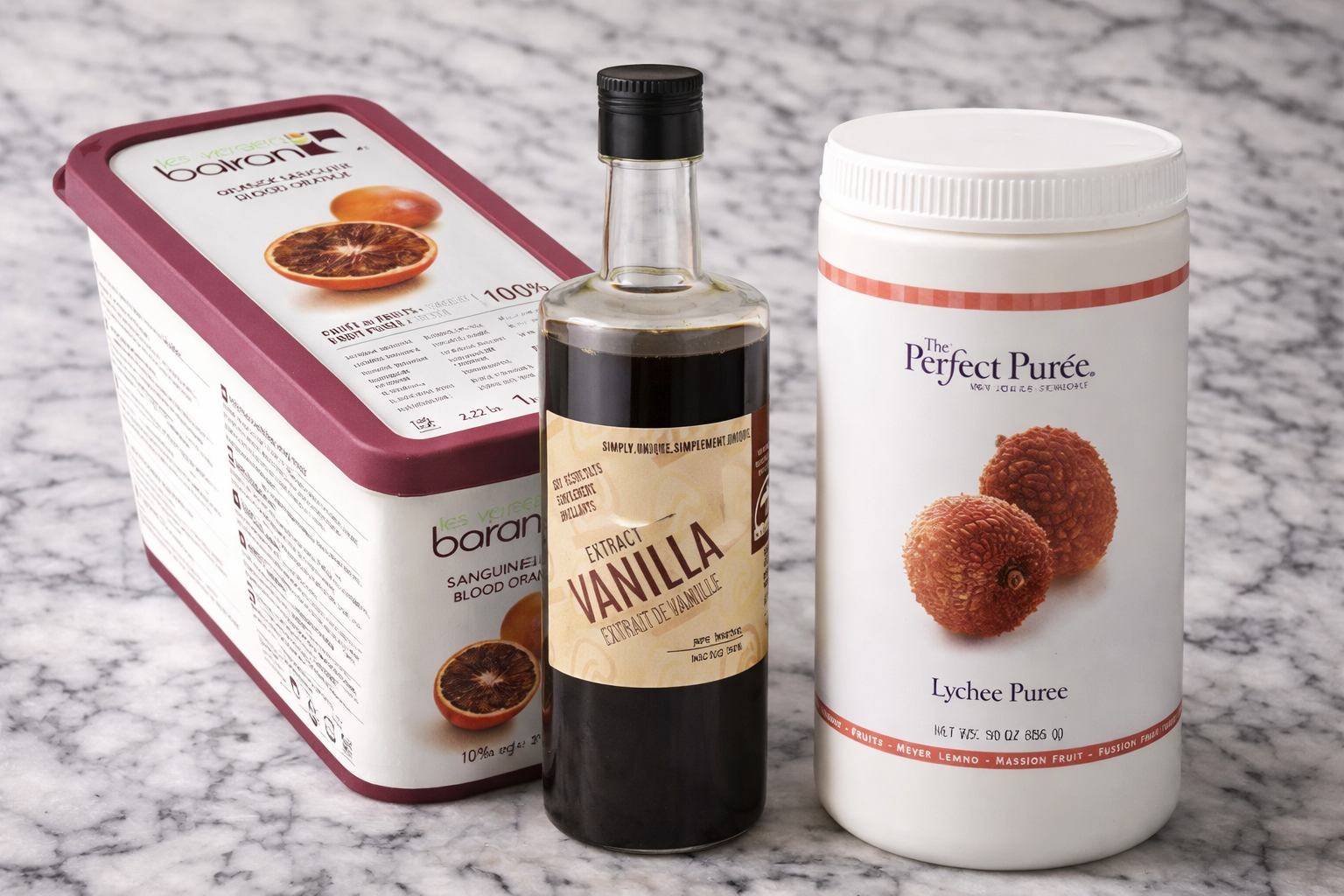
The Fix: For deep frying, stick to oils with neutral profiles and high stability. Save your premium EVOO for where it can shine: drizzled over freshly baked bread or as the base for a vibrant pesto using our purees and pastes.
Buying Guidance: How to Spot the Good Stuff
When you're looking for the best olive oil for cooking and finishing, don't be fooled by fancy labels or "bottled in Italy" claims. Look for "Product of Italy" or specific regional certifications (DOP/IGP). Dark glass bottles are a must: clear glass allows light to degrade the oil.
At Onatru Foods, we curate our selection for the discerning palate. We understand that whether you’re a professional chef running a high-volume bistro or a home enthusiast hosting a dinner party, the reliability of your ingredients is paramount. We handle our imports with the same precision we apply to our premium frozen meats: ensuring they are protected from the elements until they reach your kitchen.
Shop the Ingredients from Onatru
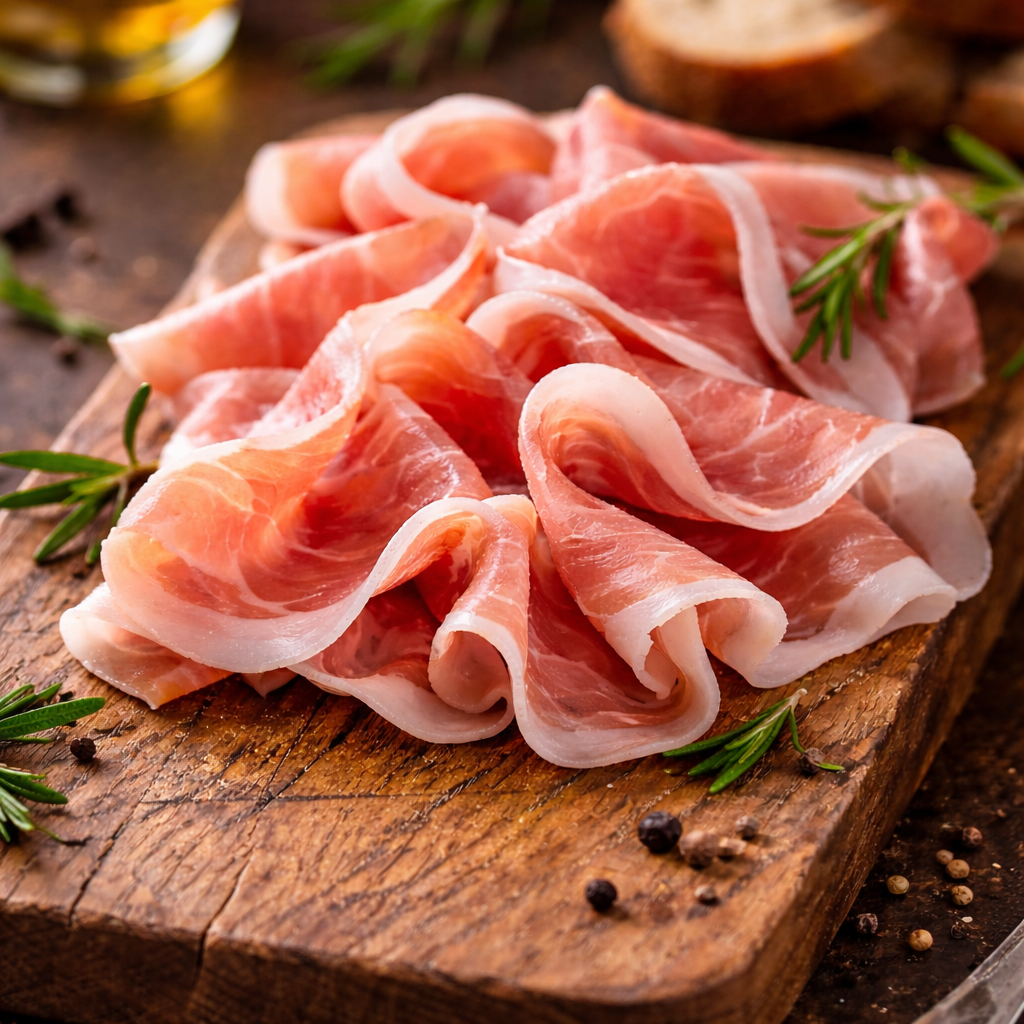
Elevating your culinary game starts with better inputs. Whether you are looking for the perfect finishing oil, premium Italian cheeses, or high-end cured meats for your next charcuterie board, Onatru Foods is your direct line to restaurant-quality staples.
We believe in the power of professional-grade ingredients delivered straight to your door. Our logistics are designed for the serious cook:
- Nationwide Delivery: Coast-to-coast shipping you can trust.
- Quality Preservation: From our temperature-controlled storage to our leak-resistant packaging.
- Chef-Curated Selection: Only the products we would use in our own kitchens.
Current Promotions
To help you stock your pantry with the best, we’re currently offering:
- $25 off all orders of $175 or more.
- FREE 2nd Day Air Shipping on all perishable orders over $350.
Don't let mediocre oil hold your cooking back. Treat your kitchen to the liquid gold it deserves and taste the difference that heritage and quality make.
We’re working behind the scenes and cooking up something great ( we’ll see you soon.)


