

At The Onatru Kitchen, we believe that the difference between a good meal and a truly transcendent dining experience often comes down to the integrity of your ingredients. When you’re sourcing restaurant-quality imports: those world-class vinegars, cheeses, and coastal treasures: you aren’t just buying food; you’re investing in centuries of tradition and artisan craftsmanship.
However, even the most passionate home chefs and professional buyers can inadvertently diminish the value of these premium products through small, easily avoidable errors in handling, storage, and preparation. If you’ve ever wondered why your home-cooked risotto doesn’t quite match the depth of your favorite trattoria, or why that expensive bottle of balsamic didn't "pop" the way you expected, the answer is likely in the technique.
In this deep dive, we’re going to explore the nuances of premium culinary imports and identify the seven most common mistakes people make when working with these high-end ingredients.
Understanding the Pedigree: Why "Origin" Matters
Before we get into the mistakes, we must address the "why." Why do chefs insist on DOP (Denominazione di Origine Protetta) or IGP (Indicazione Geografica Protetta) labels?
These certifications are not just marketing fluff; they are legal guarantees of quality and origin. For example, Parmigiano Reggiano can only be produced in specific provinces of Italy using exact methods that haven't changed in nearly a millennium. When you source these items through a trusted marketplace like Onatru Foods, you are getting the exact same products that Michelin-starred kitchens use to build their reputations.
Premium imports represent the pinnacle of their category. They are often produced in limited quantities, aged for years, and handled with extreme care from the facility to your doorstep. Respecting that pedigree is the first step toward culinary mastery.
1. Cooking Your High-End Balsamic Vinegar
This is perhaps the most common (and expensive) mistake in the kitchen. There is a massive difference between a commercial balsamic vinegar used for salad dressings and an Aceto Balsamico Tradizionale or a high-quality, syrupy IGP vinegar.
The Mistake: Pouring a $50 bottle of aged balsamic into a hot pan to "reduce" it or using it as a long-soak marinade for raw meat.
The Fix: Premium, aged balsamic is a finishing condiment, not a cooking liquid. High heat destroys the complex, volatile aromatics that took 12 or more years to develop. Instead, use your premium balsamic at the very end. Drizzle it over finished grilled meats, aged cheeses, or even fresh strawberries and vanilla bean gelato. If you need a reduction, buy a lower-tier "Aceto Balsamico di Modena IGP" for the pan and save the "liquid gold" for the plate.
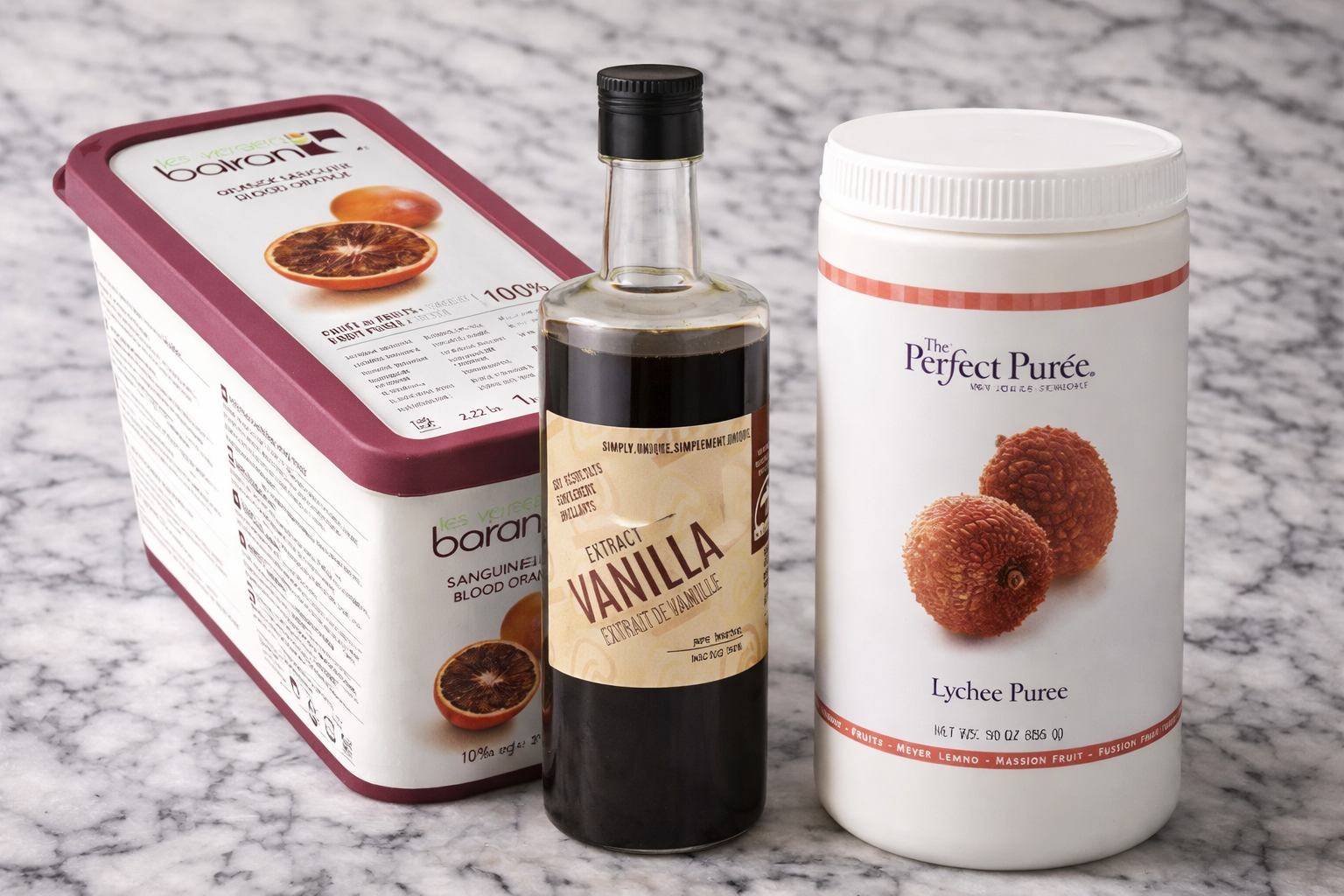
2. Buying Pre-Grated Cheese (Even the "Good" Kind)
We understand the allure of convenience, but in a professional kitchen, pre-grated cheese is a cardinal sin.
The Mistake: Purchasing pre-shredded or pre-grated Parmigiano Reggiano or Pecorino Romano.
The Fix: The moment cheese is grated, its surface area increases exponentially, leading to rapid oxidation. It loses its moisture, its nutty aroma, and its soul. Furthermore, many pre-grated cheeses contain anti-caking agents like cellulose that prevent the cheese from melting smoothly into your sauces.
The Pro Tip: Buy whole wedges. Not only does the cheese stay fresh longer, but you also get the rind: which leads us to our next point.
3. Discarding the "Golden" Rinds
In The Onatru Kitchen, nothing goes to waste, especially not the rinds of imported hard cheeses.
The Mistake: Tossing the hard rind of your Parmigiano Reggiano into the trash once you’ve finished the heart of the wedge.
The Fix: Those rinds are concentrated flavor bombs. While they are too hard to grate, they are perfectly edible and rich in umami. Store your rinds in a freezer bag. When you’re making a tomato sauce, a minestrone, or a simple vegetable broth, drop a rind into the pot. It will soften and infuse the entire liquid with a deep, savory complexity that no salt or spice can replicate. Just remember to remove it before serving!
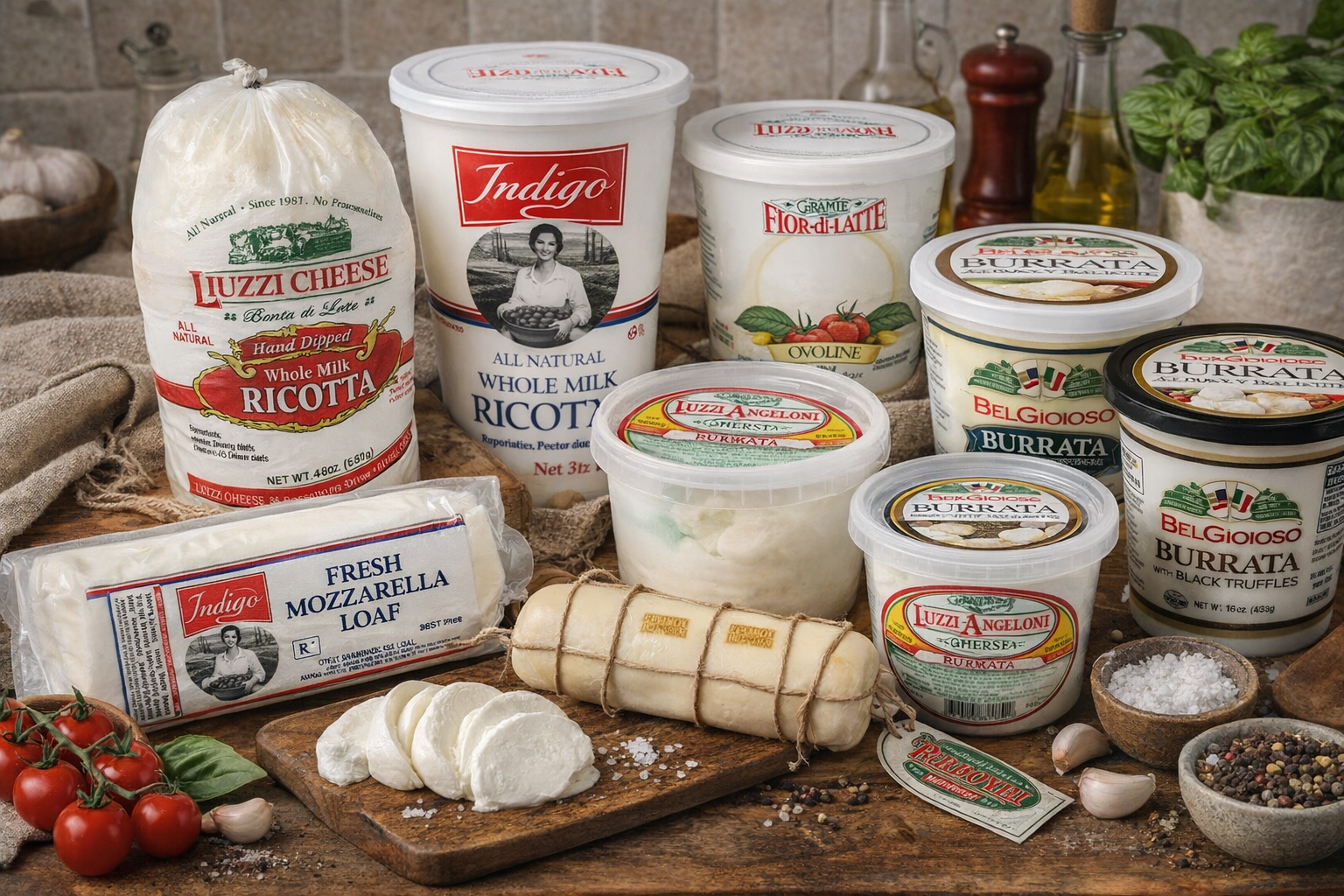
4. Underestimating "Flash-Frozen" Seafood
There is a persistent myth that "fresh" (previously unfrozen) seafood is always superior to frozen. In reality, unless you are standing on a dock, the "fresh" seafood at your local market is often 5–7 days old.
The Mistake: Avoiding frozen seafood because of a perceived lack of quality.
The Fix: At Onatru, our seafood collection is often flash-frozen at sea or immediately upon arrival at USDA-regulated facilities. This process locks in the cellular structure and flavor at the absolute peak of freshness. When handled correctly: thawed slowly in the refrigerator: flash-frozen seafood is often "fresher" and more consistent than the fish sitting on a bed of melting ice at a retail counter.
5. Overpowering the Ingredient with Seasoning
When you are working with a $150 cut of meat or a rare imported prosciutto, the ingredient is the star. You are paying for the terroir, the diet of the animal, and the skill of the cure.
The Mistake: Using heavy rubs, aggressive spice blends, or pungent sauces on premium proteins.
The Fix: Keep it simple. A high-quality sea salt and perhaps a touch of freshly cracked black pepper are all you need for a dry-aged steak or a piece of pristine Atlantic seafood. If you find yourself reaching for a heavy steak sauce, you might be masking the very quality you paid for. Let the natural fats and minerals of the product speak for themselves.
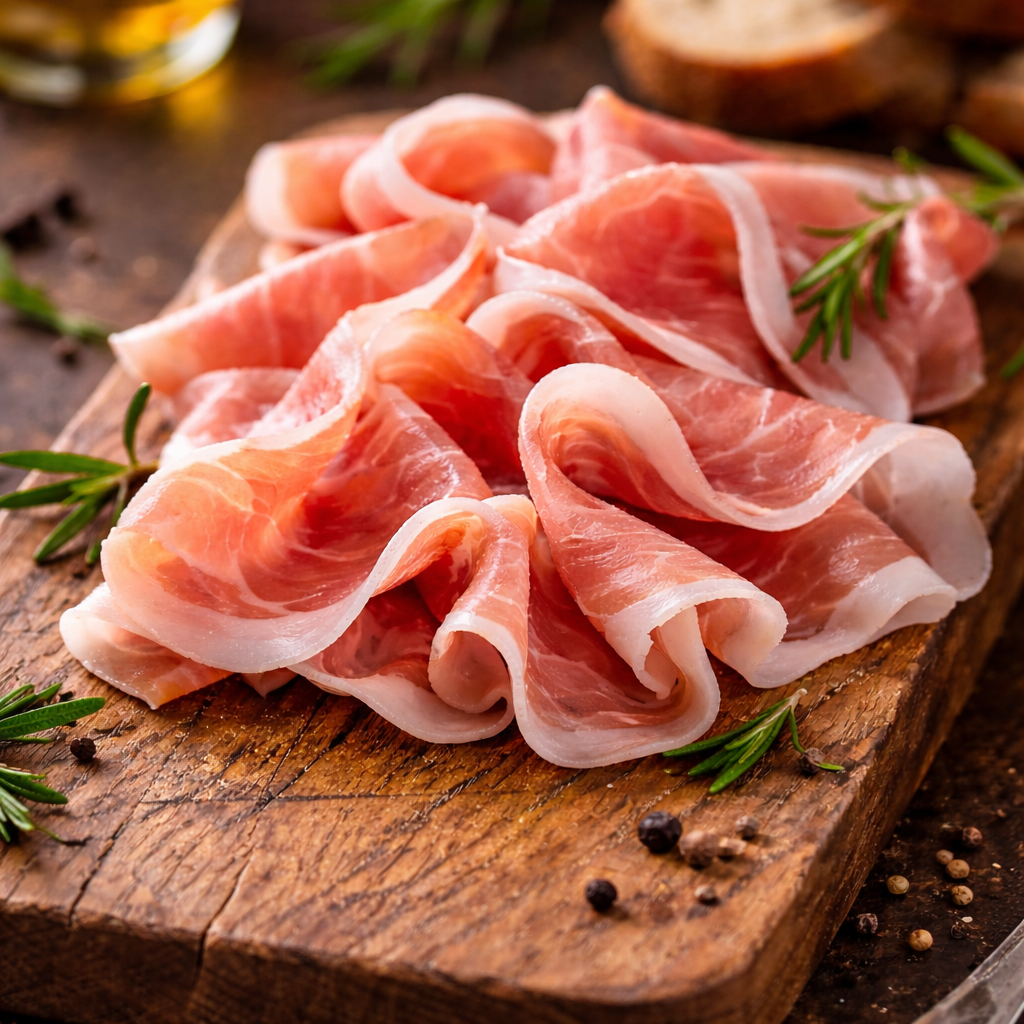
6. Improper Storage of Cured Meats
Imported charcuterie, such as Prosciutto di Parma or Bresaola, is a delicate living product.
The Mistake: Wrapping cured meats tightly in plastic wrap and leaving them in the fridge for weeks.
The Fix: Plastic wrap can cause moisture to build up on the surface, which leads to a "slimy" texture and off-flavors. Ideally, you should purchase cured meats as close to the time of consumption as possible. If you must store them, wrap them in parchment or butcher paper, then loosely in a bag. Most importantly, always bring your cured meats to room temperature for at least 15–20 minutes before serving. The fats need to soften to release their full flavor profile.
7. Ignoring the "Mon-Thurs" Rule for Perishables
Buying premium seafood and meats online requires a bit of logistical planning to ensure you receive the product in peak condition.
The Mistake: Ordering perishables on a Friday and expecting them to survive a weekend in a warehouse.
The Fix: Onatru Foods adheres to a strict shipping schedule to protect your investment. Fresh seafood is cut-to-order and delivered next-day (Mon-Thurs). We use insulated, ice-packed, and leak-resistant packaging to ensure that "cold chain" remains unbroken. When you shop with us, you aren't just buying an ingredient; you’re buying a professionally managed logistics chain that guarantees restaurant-quality standards upon arrival.
Shop the Ingredients from Onatru
Elevating your home cooking doesn't require a culinary degree; it requires the right tools and the right ingredients. By avoiding these seven common mistakes, you ensure that every dollar spent on premium imports delivers the maximum flavor and experience.
Ready to stock your pantry with the best the world has to offer?
Explore our curated collections:
- The Onatru Seafood Market – Flash-frozen and cut-to-order for peak quality.
- Cheese & Charcuterie – Authentic Italian imports and artisan domestic selections.
- Premium Pantry Staples – The secret weapons of professional chefs.
Exclusive Launch Promotion:
Be the first to experience the Onatru difference. Use our current promotion to start your journey into professional-grade cooking:
- $25 OFF your first order of $250 or more.
- Free Ground Shipping on Dry Goods for orders over $175.
- Free Shipping on Perishables for orders over $450.
- Note: Perishables have a flat $39.95 2-Day shipping rate or $59.95 Overnight rate for smaller orders.
We’re working behind the scenes and cooking up something great : we’ll see you soon.
The Onatru Team


