Let’s be honest: your pantry probably has a dark secret. Tucked behind that half-empty bag of chocolate chips is a "Specialty Import" you bought during a moment of high-seas inspiration, only to let it sit there, gathering dust and losing its soul. We’ve all been there.
At The Onatru Kitchen, we believe that restaurant-quality ingredients are the backbone of every legendary meal. But here’s the kicker: buying the world’s best ingredients is only half the battle. If you’re treating a $40 wedge of Parmigiano Reggiano like a plastic shaker of "cheese dust," or drowning your premium lobster meat in enough salt to desiccate a slug, you’re committing culinary crimes.
If you’re ready to graduate from "Home Cook" to "Artisan Pantry Architect," you need to stop making these seven common mistakes. Grab a glass of something nice, and let’s fix your kitchen.
1. The "Parmesan" Identity Crisis
One of the most frequent questions we get is: "What is Parmigiano Reggiano, and why is it so much more expensive than the stuff in the green can?"
Here is the cold, hard truth: If it doesn't say "Parmigiano Reggiano" and have that beautiful, dotted branding stamped across the rind, it’s not the King of Cheeses. It’s just "Parmesan", a generic term that could mean anything from "decent domestic cheese" to "aged wood pulp and sadness."
The Mistake: Buying generic "Parmesan" and expecting the nutty, complex, crystalline texture of the real thing. Authentic Parmigiano Reggiano is a DOP (Protected Designation of Origin) product, made only in specific regions of Italy under strict rules.
The Fix: Look for the rind. At Onatru, we source authentic wedges that carry the heritage of the Parma and Reggio Emilia regions. When you buy authentic Parmigiano Reggiano, you’re buying centuries of tradition. Use the rind! Don't throw it away; toss it into your next minestrone or tomato sauce for a massive umami bomb.
2. Buying the Pre-Grated "Snow"
We get it. Life is busy. You don’t want to spend ten minutes at a box grater. But buying pre-grated specialty cheese is like buying a pre-opened bottle of champagne. It’s flat, lifeless, and honestly, a bit offensive.
The Mistake: Pre-grated cheese is coated in anti-caking agents like cellulose (literally wood pulp) to keep it from clumping in the bag. This prevents the cheese from melting smoothly, leaving you with a gritty, greasy mess in your Carbonara.
The Fix: Buy the wedge. Grating your cheese fresh takes 60 seconds and preserves the moisture and volatile aromas that make specialty imports worth the price. Plus, your forearm workout for the day is done.
3. The "Cured Meat Oven-Fry" Disaster
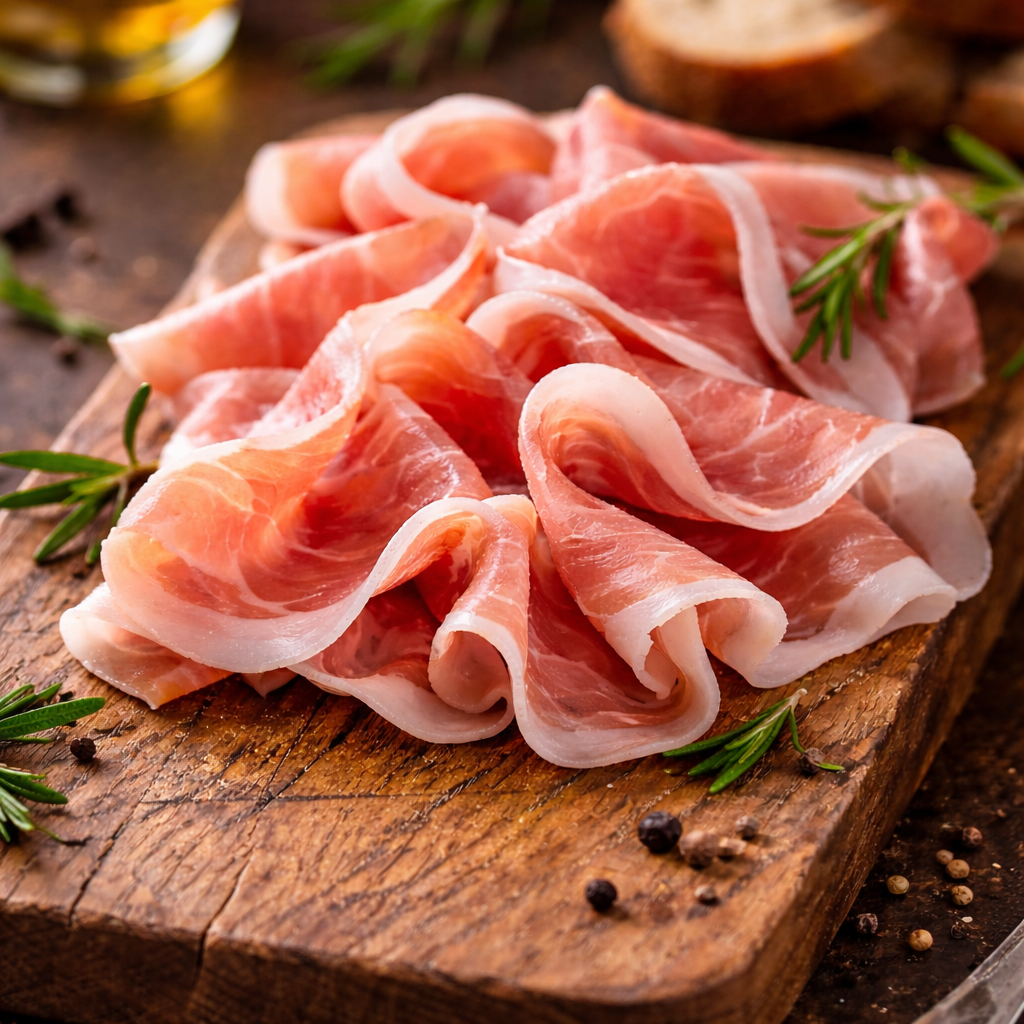
You’ve just secured some world-class Prosciutto di Parma. It’s sliced paper-thin, it’s translucent, and it’s a work of art. Then, you decide to throw it on a pizza and blast it at 500 degrees for 12 minutes.
The Mistake: Overcooking cured meats. Prosciutto is cured with salt and air, not heat. When you fry it or bake it too long, it becomes incredibly salty, tough, and loses its delicate sweetness.
The Fix: If you’re putting prosciutto on pizza, lay it on after the pie comes out of the oven. The residual heat will just barely melt the fat, releasing that buttery flavor without turning the meat into salty leather. Treat your Imported Cured & Dried Meats with the respect they deserve.
4. Treating San Marzano Like Regular Canned Tomatoes
Not all canned tomatoes are created equal. If you’re grabbing the generic supermarket brand for your Sunday Gravy, you’re missing the point of an artisan pantry.
The Mistake: Thinking "San Marzano Style" is the same as "DOP San Marzano." True San Marzano tomatoes grow in the volcanic soil near Mount Vesuvius. They are sweeter, less acidic, and have fewer seeds.
The Fix: Look for the DOP seal on the can. These tomatoes don’t need much help, a little garlic, some fresh basil, and a pinch of salt. Don't bury them under five different dried herbs and a cup of sugar. Let the volcanic soil do the talking.

5. The "Wet Scallop" Mistake
If you’ve ever tried to sear scallops and ended up with a pan full of grey, rubbery blobs swimming in a mysterious white liquid, you’ve been "wet-scalloped."
The Mistake: Buying "wet" scallops that have been treated with sodium tripolyphosphate (STP). This chemical makes the scallops absorb water, so you pay for water weight, and they never, ever sear properly.
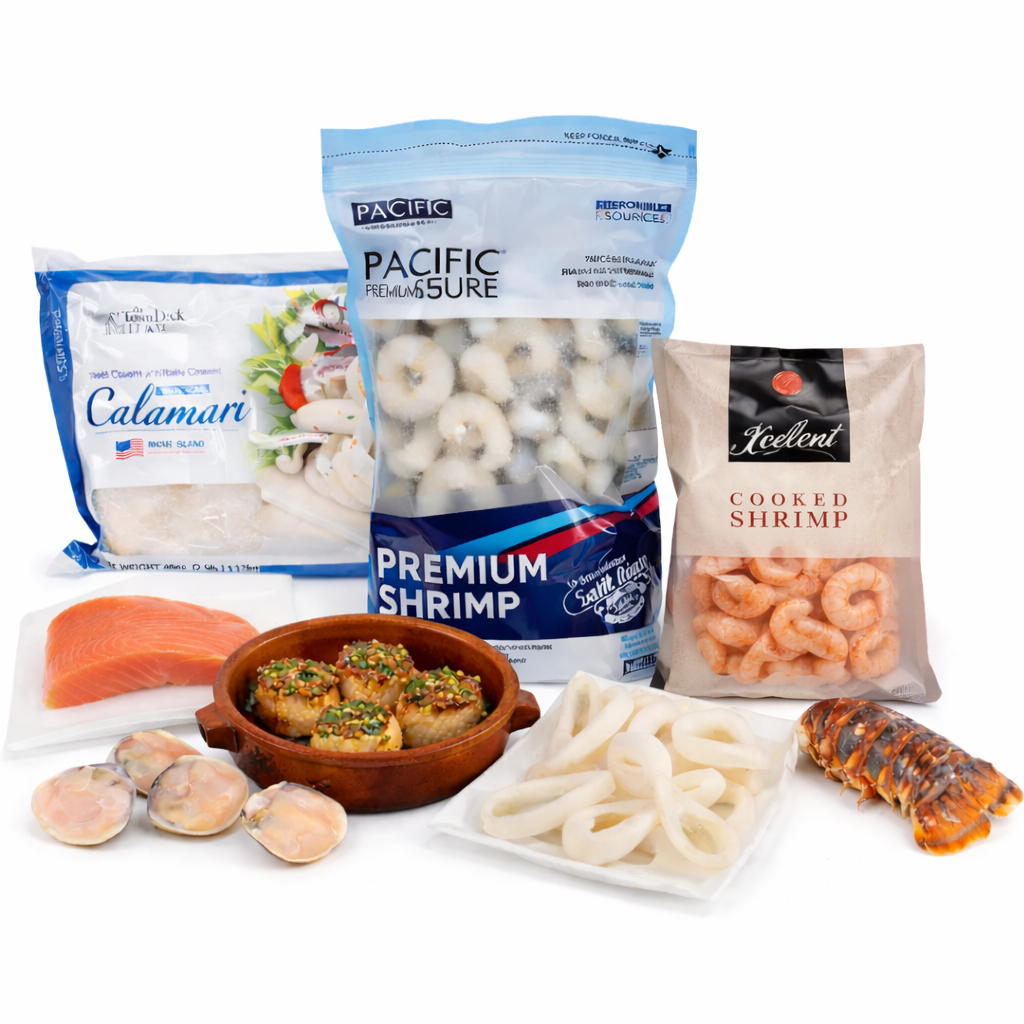
The Fix: Only buy "dry" scallops. At Onatru, we pride ourselves on sourcing restaurant-quality ingredients that haven't been pumped full of preservatives. Our seafood is flash-frozen at peak quality, ensuring that when you hit that hot pan, you get a golden-brown crust every single time.
6. Cold Water Lobster vs. The Rest
If you want to buy lobster meat online, you need to know where it’s coming from. Not all lobster meat is destined for greatness.
The Mistake: Buying warm-water lobster tail and expecting it to taste like the Maine coast. Warm-water lobsters are often mushier and lack the sweet, snap-back texture of their cold-water cousins.
The Fix: Demand cold-water lobster. It’s slower-growing, which results in denser, sweeter meat. At The Onatru Kitchen, we only deal in the good stuff. Whether you’re making a classic lobster roll or a decadent thermidor, the origin of the meat is your most important ingredient. And please, for the love of all things culinary, do not overcook it. Lobster meat should be opaque and firm, not bouncy like a racquetball.
7. Storing Cheese in "Suffocation"
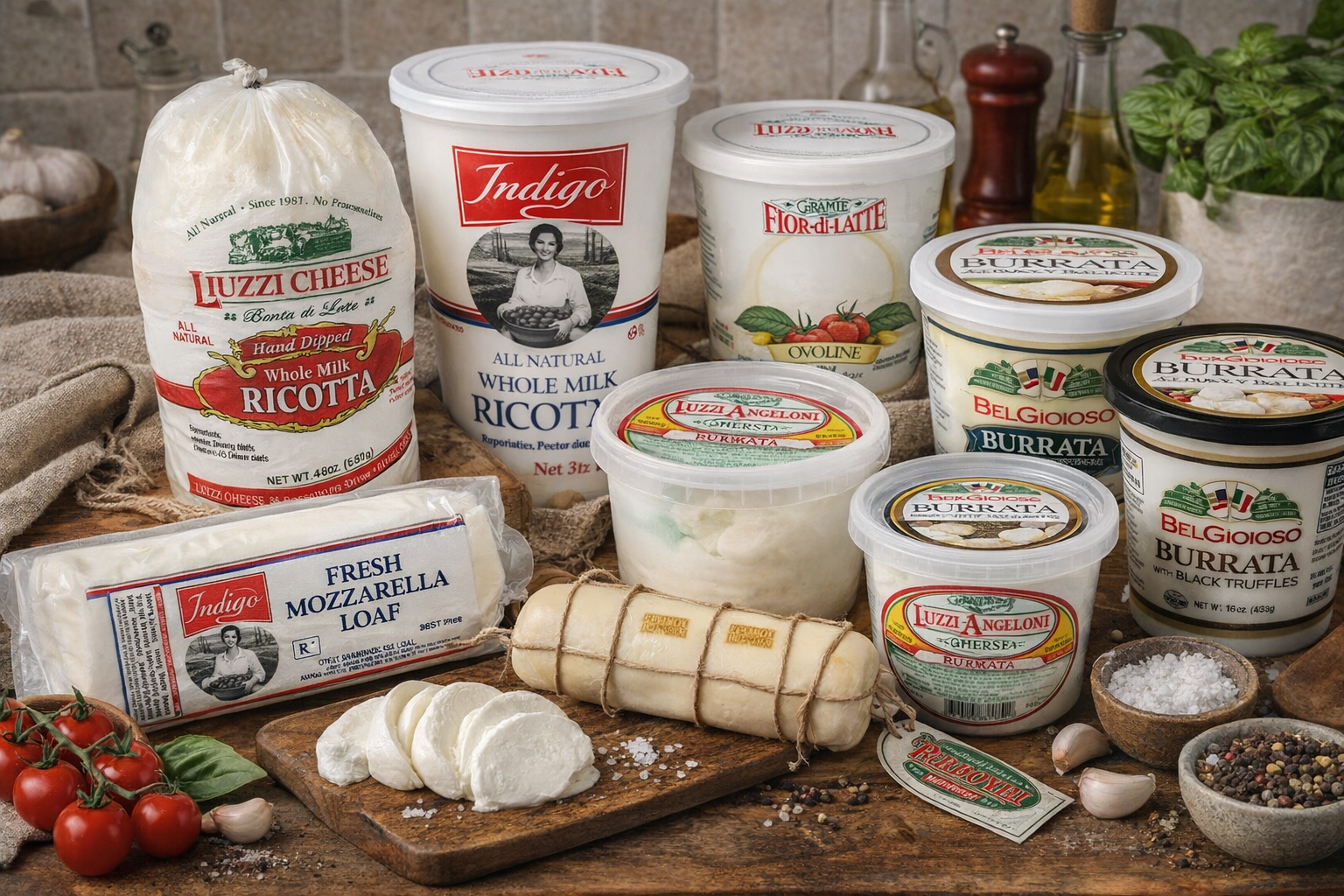
You spent the money on a beautiful wedge of aged Gouda or a sharp Pecorino. You get home, use a bit, and then wrap the rest tightly in plastic wrap before shoving it into the back of the fridge.
The Mistake: Plastic wrap. Cheese is a living thing; it needs to breathe. Wrapping it in plastic traps moisture and encourages mold, while also making the cheese taste... well, like plastic.
The Fix: Use parchment paper or cheese paper. Wrap it snugly but allow for a tiny bit of air exchange, then put it in a loose plastic bag or a dedicated cheese drawer. Your imports will stay fresher, longer, and they won't taste like a Ziploc bag.
How to Build Your Pro-Level Artisan Pantry
Building a "Pro-Level" pantry isn't about buying 150 different things; it's about buying 15 right things. Start with the pillars:
- The Foundation: High-quality Italian Pasta. Look for bronze-die extruded pasta: it has a rough surface that actually holds onto sauce.
- The Umami: A massive wedge of Parmigiano Reggiano.
- The Protein: Keep a stash of flash-frozen Seafood You Can Trust. Lobster meat, scallops, and premium fish are the ultimate "I have nothing for dinner" lifesavers.
- The Charcuterie: A rotating selection of Prosciutto and cured meats for effortless entertaining.
At Onatru, we’re redefining how you source these essentials. We connect you directly with the same importers and distributors that supply the nation’s top restaurants.
Shop the Ingredients from Onatru
Ready to stop making mistakes and start making magic? The Onatru Kitchen is open for business, and we’ve got the inventory to prove it. From the perfect San Marzano tomato to the sweetest cold-water lobster, we deliver the professional kitchen experience directly to your door.
Why Shop Onatru?
- Restaurant Quality: We source what the chefs source.
- Cut-to-Order Freshness: Our fresh seafood is cut to order and delivered next-day (Mon-Thurs).
- Insulated & Ice-Packed: We use leak-resistant, temperature-controlled packaging so your perishables arrive in pristine condition.
- Nationwide Delivery: No matter where you are, the best ingredients in the world are just a click away.
Exclusive Offers for Our Community:
- $25 Off Your Order: Get $25 off your first order of $175 or more.
- Free Shipping: Enjoy Free Ground Shipping on Dry Goods for orders over $175, and Free Shipping on all orders over $350.
- Standard Rates: For those smaller hauls, we offer a flat $39.95 2-Day shipping rate and a flat $59.95 Overnight rate for perishables.
Explore the Onatru Marketplace Today
We’re working behind the scenes and cooking up something great ( we’ll see you soon.)