

Welcome to The Onatru Kitchen, where we believe that the difference between a "good" meal and a "holy-cow-who-cooked-this" masterpiece isn't just your knife skills: it’s your sourcing.
If you’ve ever followed a recipe to the letter only to find the result tasted a bit... flat, you’re likely a victim of the "Generic Trap." We’ve all been there. You grab the grocery store mozzarella that has the texture of a racquetball, or the canned tomatoes that are more water than fruit, and you wonder why your Sunday sauce doesn't taste like the one you had in that tiny trattoria in Rome.
The secret isn’t just salt (though, let’s be honest, it’s usually also salt). The secret is the pedigree of the ingredients. Today, we’re diving deep into the world of artisan vs. generic, why your pantry deserves an upgrade, and how you can get restaurant-quality seafood delivered to your door before the cravings even fully kick in.
The Artisan Difference: It’s Not Just a Fancy Label
In the culinary world, "artisan" is a word that gets thrown around like confetti at a wedding. But at Onatru, we define it by three pillars: tradition, transparency, and trace-ability.
Generic, mass-produced ingredients are designed for one thing: scale. They are engineered to be identical whether you buy them in Maine or Malibu. To achieve that, producers often sacrifice flavor for shelf-life, using high-heat processing and additives that dull the natural character of the food.
Artisan ingredients, on the other hand, are the rebels of the food world. They are often made in small batches, following methods that haven't changed in centuries. When you buy a wedge of real Parmigiano Reggiano, you aren’t just buying cheese; you’re buying a piece of Italian law. By decree, it can only be made in specific regions of Italy using three ingredients: milk, salt, and rennet. No "cellulose powder" to prevent caking. No mysterious "natural flavors." Just time and tradition.
Why Small Batches Win Every Time
Think of artisan production like a boutique tailor versus a fast-fashion warehouse. When a producer handles only a few hundred wheels of cheese or a limited harvest of tomatoes, they can monitor every variable. They know the weather that affected the crop; they know the cows that provided the milk. This level of care results in a "flavor profile": a complexity of taste that generic brands simply cannot replicate.
The "Flavor Multipliers": Where to Spend Your Budget
You don't need to swap every single item in your pantry for a premium version. If you’re boiling pasta in salted water, the salt doesn’t necessarily need to be harvested from a hidden cave in the Himalayas (though we won't stop you). However, there are certain "Flavor Multipliers" where the jump from generic to artisan is transformative.
1. The Cheese & Charcuterie Pillar
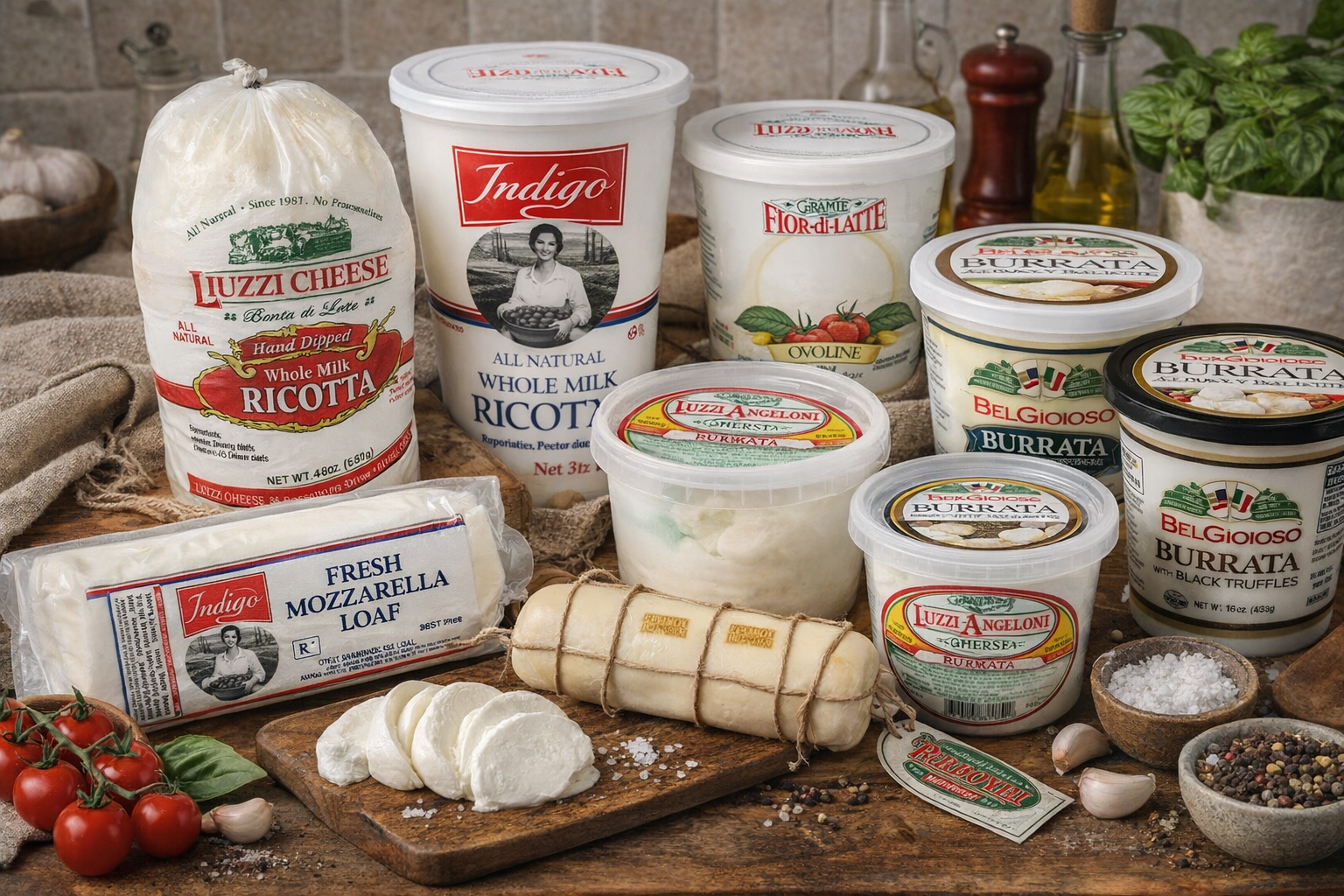
Generic "Parmesan" in a green shaker is essentially salty sawdust. Real, artisan-aged cheeses are packed with tyrosine crystals: those little crunchy bits that represent concentrated umami. Similarly, with cured meats, the difference between a mass-market ham and a properly aged Prosciutto is the difference between a cardboard cutout and a 4K movie. Artisan producers use sea salt and time (often 12–36 months) to let the flavors develop naturally.
2. The Tomato Foundation
Most people think all canned tomatoes are created equal. They are wrong. Generic canned tomatoes are often harvested by machines that don't distinguish between ripe and "almost" ripe. They are then packed in a watery juice that lacks acidity. Artisan Italian tomatoes, particularly those grown in volcanic soil, are hand-picked at the peak of ripeness and packed in a thick puree. They are so sweet you’ll find yourself adding less sugar to your sauces.

Where to Buy Fresh Seafood Overnight (and Why It Matters)
Now, let’s talk about the heavy hitter: Seafood. This is where the "Generic vs. Artisan" debate becomes a matter of absolute quality and safety.
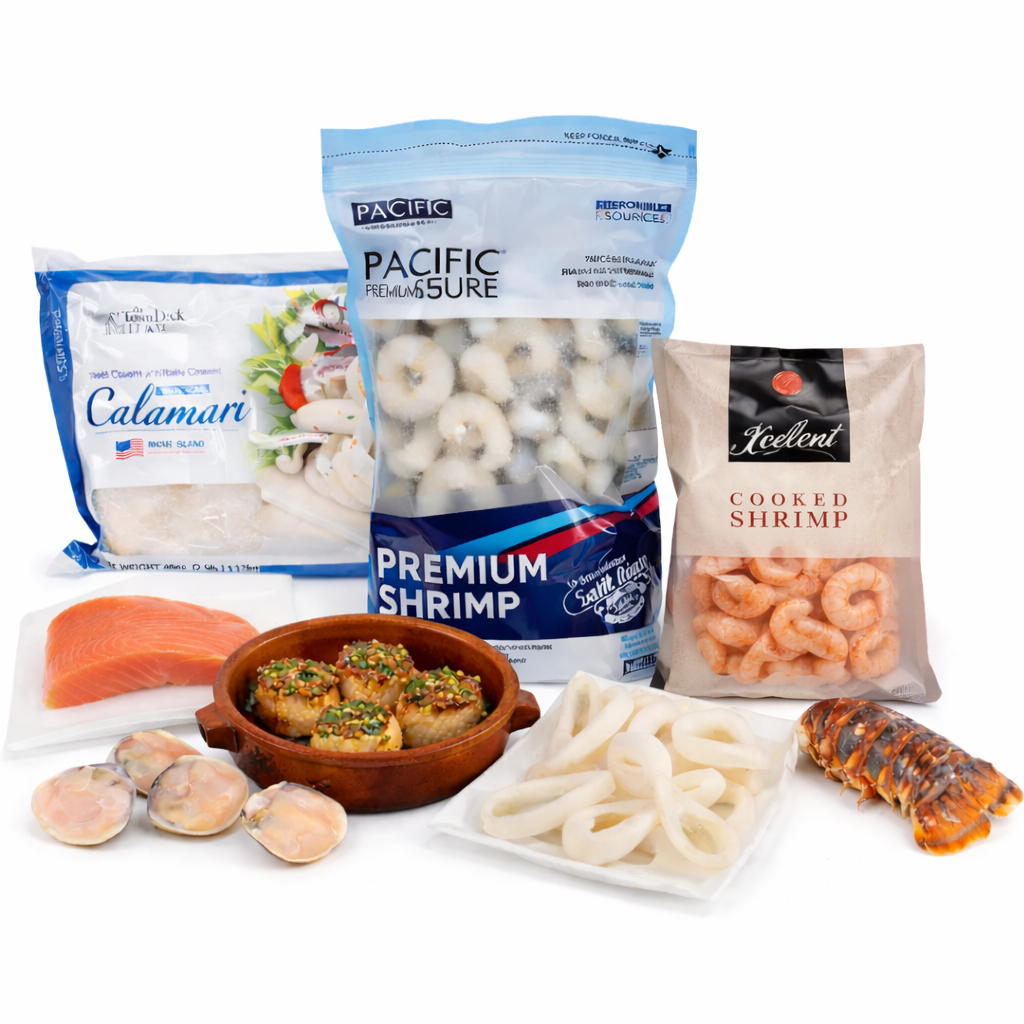
Most "fresh" seafood in a standard grocery store has been sitting in a display case for days. Or worse, it was frozen, thawed, and labeled as "fresh" (check the fine print for "previously frozen"). When you want to buy lobster meat online or source the perfect sea scallops, you need to know exactly when that product left the water.
At Onatru, we’ve mastered the logistics of the "Fresh Overnight" promise. Here is how we ensure you get restaurant-quality results:
- Cut-to-Order: We don't have pre-packed fillets sitting in a warehouse. Our seafood is cut-to-order by professional fishmongers.
- The Cold Chain: We use insulated, leak-resistant packaging with specialized ice packs designed to maintain a consistent temperature from our facility to your kitchen.
- Next-Day Delivery: For the ultimate freshness, we offer overnight shipping (Mon-Thurs). If you’ve been wondering where to buy fresh seafood overnight, the answer is right here. We bridge the gap between the docks and your dinner table.
The Case for Flash-Frozen
While "fresh" is a buzzword, professional chefs often prefer "flash-frozen" for certain applications. Why? Because modern flash-freezing (Individually Quick Frozen or IQF) happens within hours of the catch. It locks in the cellular structure of the seafood at its absolute peak. When you thaw a flash-frozen lobster tail from Onatru, you are getting a product that is technically "fresher" than a "fresh" fish that has spent four days on a truck.

Professional Techniques for Premium Ingredients
Once you have the good stuff, you need to treat it with respect. Here are a few "Onatru Kitchen" tips to elevate your game:
- Don't Overcook the Seafood: Premium seafood has a delicate protein structure. Whether it’s scallops or lobster, aim for "just opaque." Overcooking turns artisan treasure into generic rubber.
- Room Temp for Cheese: Never serve your artisan cheeses straight from the fridge. Let them sit out for 30–60 minutes. The fats need to soften to release the full bouquet of flavors.
- The Finishing Touch: Use your highest-quality ingredients at the very end. Don't cook the soul out of a beautiful Prosciutto; drape it over the pizza after it comes out of the oven.
Buying Guidance: What to Look For
When you’re browsing Onatru or any high-end marketplace, look for these quality markers:
- DOP/PDO Labels: This stands for "Protected Designation of Origin." It’s a guarantee that the product was made in a specific region using traditional methods.
- Ingredients Lists: If you see more than five ingredients in a "simple" product like pasta sauce or cured meat, it’s probably not artisan.
- Sourcing Transparency: A reliable supplier will tell you exactly where their seafood was caught and how it was handled.
Shop the Ingredients from Onatru
Ready to ditch the generic and start cooking like a pro? The Onatru marketplace is designed to bring the world’s best ingredients directly to your door with the reliability of a professional supply chain.
Whether you’re looking to buy lobster meat online for a special anniversary or you need to stock your pantry with the finest Italian imports, we have you covered.
Exclusive Onatru Offers:
- New Customer Special: Take $25 off your first order of $175 or more!
- Free Shipping: Enjoy Free Shipping on all orders over $350.
- The Freshness Guarantee: Our perishables are shipped in insulated, ice-packed containers to ensure they arrive in peak condition.
We’re working behind the scenes and cooking up something great : we’ll see you soon.


