

If you’ve ever stood in the grocery store aisle staring at a wall of green glass bottles, feeling like you’re trying to decode the Enigma machine, you aren’t alone. Between the "Extra Virgin," "Pure," "Light," and "Cold Pressed" labels, it’s enough to make even a seasoned home chef reach for the nearest bottle of canola oil and call it a day.
But here’s the truth: your olive oil is the backbone of your kitchen. It is the literal fat that carries flavor, the medium that conducts heat, and: in the case of specialty imports: the final seasoning that can turn a "fine" meal into a Michelin-star-worthy experience.
At Onatru Foods, we deal in the world of speciality product sourcing, and we’ve seen it all. There is a massive canyon between the "value" jug you buy at a big-box retailer and the restaurant-quality imports used by professional chefs. Today, we’re doing a deep dive into how to choose the best olive oil for cooking, when to splurge on the "good stuff," and when the supermarket bottle is actually okay.
The Chemistry of Quality: What Makes an Oil "Specialty"?
To understand the difference, we have to talk about what olive oil actually is. Essentially, it’s fruit juice. Olives are stone fruits, and the oil is the lipid-rich liquid extracted from them.
The Extra Virgin Standard
For an oil to be labeled "Extra Virgin" (EVOO), it must be extracted through mechanical means: no heat, no chemicals. It also has to pass a chemical analysis (low acidity) and a sensory panel (it has to actually taste like olives).
Grocery store oils often hit the technical definition of EVOO, but barely. These are mass-produced, often blending oils from five different countries. By the time that bottle hits the shelf in a clear plastic container under fluorescent lights, its flavor profile has flatter lines than a dial-up modem connection.
Specialty imports, like those we source for The Onatru Kitchen, are different. They are often single-estate or strictly regional. They are harvested at the peak of ripeness and pressed within hours. This preserves the polyphenols: those spicy, peppery antioxidants that give premium oil its "bite" and provide the health benefits olive oil is famous for.
The Sourcing Secret: Why Origin Matters
When you buy a specialty import, you aren’t just paying for a fancy label; you’re paying for a zip code. Just like wine, olive oil has terroir.
- Italian Oils: Often known for being robust, grassy, and peppery. These are incredible for cutting through the richness of Italian cheeses or finishing a hearty pasta.
- Spanish Oils: Frequently characterized by nutty, fruity, and slightly sweeter notes.
- Greek Oils: Usually very herbal and strong, perfect for Mediterranean-style roasted vegetables.
The problem with "grocery store" oil is the "Packed in Italy" lie. Many cheap oils are sourced from across the Mediterranean, shipped in giant tankers to Italy, bottled there, and then labeled as Italian. If you want the best olive oil for cooking, look for specific certifications like DOP (Denominazione di Origine Protetta) or IGP. These ensure the oil was grown, pressed, and bottled in the region stated.
Usage Tips: Don't Waste the Liquid Gold
One of the biggest mistakes home cooks make is using their $40 bottle of artisanal finishing oil to sauté a batch of onions. Stop right there. That is culinary malpractice.
The "Two-Oil" System
Every professional kitchen operates on a two-oil system. You need a Workhorse Oil and a Finishing Oil.
- The Workhorse (Supermarket Tier is Fine): Use this for sautéing, roasting, and high-heat cooking. While people worry about the "smoke point" of olive oil, high-quality EVOO is actually quite stable up to about 400°F. However, heat destroys the delicate aromatic compounds that make premium oil expensive. Use a clean, fresh, grocery-store EVOO (like California Olive Ranch or Kirkland Organic) for your everyday cooking.
- The Finisher (The Specialty Import): This is the oil you keep in a dark cupboard and bring out at the end. You drizzle this over a finished steak, a bowl of soup, or a plate of freshly sliced prosciutto.

Pro Technique: The Cold Infusion
If you want to experience the true flavor of a specialty import, use it in a cold preparation. A simple vinaigrette or a dipping oil for warm crusty bread is the ultimate test. When the oil is the star of the show, the difference between a $10 bottle and a $30 bottle isn't just noticeable: it's transformative.
Buying Guidance: How to Spot a Winner
When you’re ready to level up your pantry, keep these three rules in mind. Whether you're shopping at a local boutique or browsing our specialty collections, these are non-negotiable.
1. Dark Glass or Tin Only
Light is the enemy of olive oil. It triggers oxidation, which leads to rancidity. If you see an expensive oil in a clear glass bottle sitting on a sunny shelf, walk away. Premium oils will always be in dark green glass, opaque tin, or ceramic.
2. Check the Harvest Date
Olive oil does not get better with age. It is not wine. You want the freshest oil possible. Look for a "Harvest Date" on the back of the bottle. If the bottle only has a "Best By" date, that date is usually two years after it was bottled: but the oil could have been sitting in a tank for a year before that. For the best culinary experience, aim for oil harvested within the last 12-18 months.
3. Trust the Bitter
If you sip a spoonful of specialty olive oil and it makes you cough, that’s a good sign! That peppery burn at the back of your throat is caused by oleocanthal, a powerful antioxidant. Cheap grocery store oils are often "smooth" because they lack these nutrients and flavor compounds.
Beyond the Bottle: Pairing Your Oil
A world-class olive oil deserves world-class ingredients. If you’re sourcing a premium import, don't let it go to waste on subpar produce.
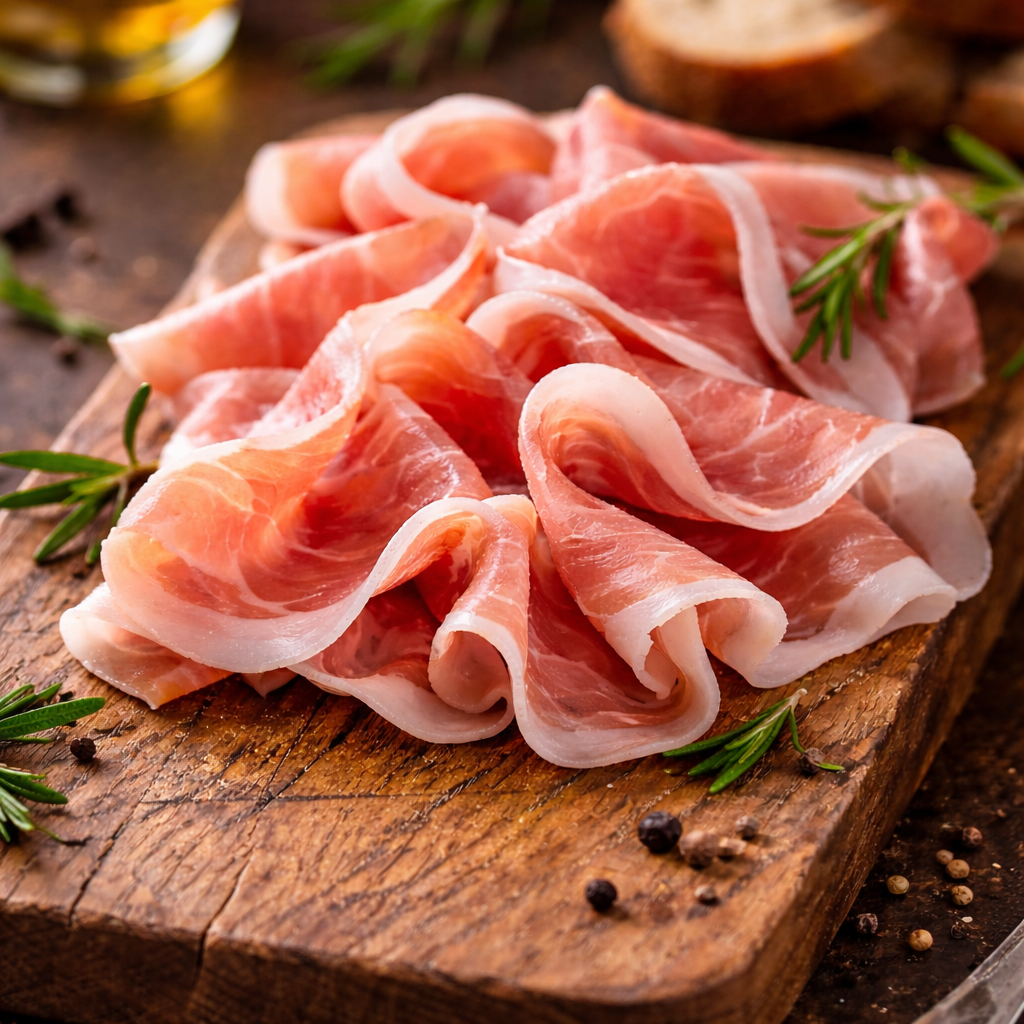
- For the Charcuterie Board: Drizzle a robust Italian oil over Imported Cured Meats to add a silken texture and a spicy finish.
- For the Seafood Lover: A lighter, fruitier oil is the perfect companion for frozen seafood. Since Onatru Foods specializes in flash-frozen, restaurant-quality seafood, using a high-end oil ensures you aren't masking the clean flavor of the fish.
- For the Appetizer Course: Pair your oil with premium appetizers or use it to create a dipping sauce for breaded vegetables.
Why Onatru Foods?
We know that sourcing high-end ingredients can be a hassle. You shouldn't have to fly to Tuscany to get the good stuff. Our mission at Onatru Foods is to bridge the gap between the professional kitchen and your home pantry. We specialize in food safety and premium logistics, ensuring that your specialty imports and temperature-sensitive items arrive in perfect condition.
Whether you are a restaurant buyer looking for consistent quality or a home chef looking to impress at your next dinner party, we provide the curated selection you need. We don't just sell food; we sell the building blocks of better cooking.
Shop the Ingredients from Onatru
Ready to upgrade your kitchen? Now is the perfect time to stock up on restaurant-quality essentials. Whether you're hunting for the perfect finishing oil, premium baking chocolate, or authentic Italian sweets, we’ve got you covered.
Exclusive Onatru Offers:
- Save Big: Take $25 off your order of $175 or more. Use it to build the ultimate pantry.
- Freshness Guaranteed: Get Free 2nd Day Air Shipping on all perishable orders over $350. We handle our products with the highest standards, using insulated, leak-resistant packaging to ensure your items arrive coast-to-coast in peak condition.
Don't settle for the "standard" when you can have the exceptional. From our family to yours, we are committed to bringing the world's best ingredients to your doorstep. If you have questions about our sourcing or need a specific product, feel free to contact us or check out our FAQ.
We’re working behind the scenes and cooking up something great: we’ll see you soon!
The Onatru Team


