

Let’s be honest: there is a specific kind of anxiety that comes with handling a high-end, dry-aged Prime Ribeye. You’ve seen the price tag, you’ve smelled that signature nutty, blue-cheese aroma, and now you’re standing in your kitchen wondering if you’re about to turn a culinary masterpiece into expensive shoe leather.
At Onatru Foods, we believe that restaurant-quality ingredients shouldn’t be gated behind a professional kitchen door. But cooking a dry-aged steak isn’t exactly like throwing a supermarket flank steak on the grill. It requires a different respect for physics, chemistry, and timing.
Dry-aged beef is essentially concentrated flavor. Through a controlled decomposition process (sounds appetizing, right?), enzymes break down connective tissue while moisture evaporates, leaving behind a steak that is more tender and infinitely more "beefy" than anything fresh off the cow. If you’re ready to level up, here is the proven framework for mastering the dry-aged ribeye in your own kitchen.
The Ingredient Education: Why Dry-Aged Prime Ribeye is the GOAT
Before we touch the stove, we need to talk about what’s actually happening inside that meat. When we talk about "Prime," we’re talking about the USDA’s highest grade of marbling. When you combine that intramuscular fat with the dry-aging process, you get the "Holy Grail" of steak.
The Science of the "Funk"
Dry aging isn't just "leaving meat out." It happens in highly controlled environments with specific humidity and airflow. Over 21 to 45 days, two things happen:
- Moisture Loss: A steak can lose up to 30% of its water weight. This concentrates the flavor. You aren't paying for water; you're paying for pure beef essence.
- Enzymatic Breakdown: Natural enzymes break down the tough collagen between muscle fibers. This is why a dry-aged steak practically melts in your mouth.
Because there is less water in the meat, it reacts differently to heat. It browns faster (the Maillard reaction) and it overcooks faster. This is why the "standard" rules of grilling don't always apply here.

The Framework: Step-by-Step to Perfection
To get that edge-to-edge pink interior and a crust that shattered like glass, you need to follow this framework. No shortcuts.
1. The Tempering Phase
Never, ever cook a dry-aged steak straight from the fridge. Because the meat is denser and has less moisture, a cold center will stay cold while the outside turns to carbon. Take your steak out at least 60 minutes before cooking. You want the internal temperature to rise slightly, allowing for a more even heat transfer once it hits the pan.
2. The Salt Strategy
There is a lot of debate about when to salt. For dry-aged beef, I recommend one of two paths:
- The Immediate Hit: Salt right before it hits the pan.
- The Dry Brine: Salt it 45 minutes to an hour before cooking.
Initially, salt draws moisture out of the meat. If you cook it 10 minutes after salting, you’ll be searing a wet steak, which leads to steaming rather than browning. If you wait 45 minutes, that salty brine is reabsorbed into the meat, seasoning it deeply and helping the proteins retain what little moisture they have left.
3. The Surface Prep
Before the steak touches the heat, take a paper towel and pat it bone-dry. Any surface moisture is the enemy of the crust. Since dry-aged beef is already lower in moisture, this should be easy, but don't skip it.

The Method: The Pan-to-Oven Finish
While grilling is great, the most consistent "restaurant-quality" method for a thick Prime Ribeye is the pan-sear followed by an oven finish. This gives you total control.
The Sear
Use a heavy cast-iron skillet. It retains heat better than anything else.
- Preheat the skillet until it’s screaming hot.
- Add a high-smoke-point fat. While butter is delicious, it burns too quickly for the initial sear. Use beef tallow, clarified butter (ghee), or avocado oil.
- Place the steak in the pan. Press it down slightly to ensure total contact.
- Sear for 90 seconds per side. You’re looking for a deep, mahogany crust.
The Butter Baste (The "Chef" Secret)
Once you’ve flipped the steak, turn the heat down to medium. Add a knob of high-quality butter, a few crushed garlic cloves, and a sprig of rosemary or thyme. As the butter foams, tilt the pan and spoon that liquid gold over the steak repeatedly. This adds a nutty, aromatic layer that complements the dry-aged "funk" perfectly.
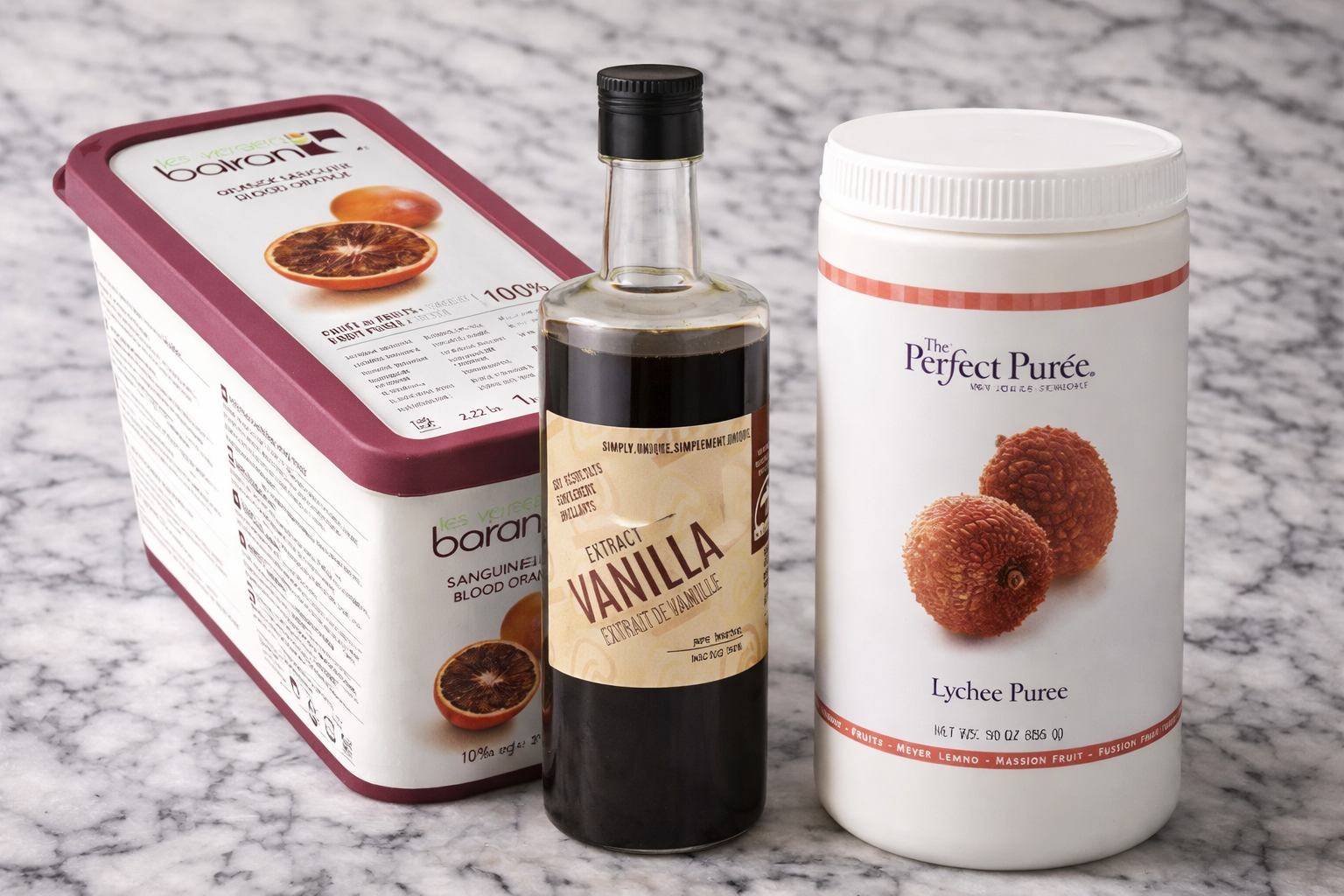
Need the right aromatics? You can explore our Purees & Pastes for high-intensity flavor additions.
The Oven Finish
If your Ribeye is 1.5 inches or thicker (which it should be), the sear won't be enough to cook the center.
- Transfer the entire skillet into a preheated oven at 300°F (150°C).
- Use a meat thermometer. There is no "poking the meat" trick that works as well as tech.
Target Temperatures:
- Rare: 120°F (49°C)
- Medium-Rare: 130°F (54°C) : The Sweet Spot for Ribeye
- Medium: 140°F (60°C)
Pull the steak 5 degrees before your target temperature. It will continue to rise while resting.
The Most Important Step: The Rest
If you cut into that steak the moment it leaves the pan, you are committing a culinary crime. All those juices are currently under pressure. Let the steak rest on a warm plate or cutting board for at least 10 minutes. This allows the muscle fibers to relax and reabsorb the juices.

Buying Guidance: What to Look For
When you're looking to buy wagyu steak online or sourcing premium dry-aged cuts, look for the following:
- Edge-to-Edge Marbling: You want thin flecks of fat, not just large chunks.
- Color: Dry-aged beef should be a deep, dark red, almost burgundy. Avoid anything that looks bright pink or greyish.
- The Source: At Onatru Foods, we specialize in specialty sourcing. Whether you are a home enthusiast or looking for wholesale pallets, the quality of the initial animal is everything. You can't dry-age low-quality beef and expect a high-quality result.
Logistics Matter
We know shipping premium meats can be nerve-wracking. That’s why we use insulated, ice-packed, and leak-resistant packaging. We treat our logistics with the same precision you treat your cooking. Our perishables ship via 2nd Day Air to ensure they arrive in peak condition.
Shop the Ingredients from Onatru
Ready to put this framework to the test? Your kitchen is only as good as your pantry and your freezer. At Onatru Foods, we provide the same high-caliber products to home cooks that we provide to top-tier restaurants.
Current Promotions at The Onatru Kitchen:
- Save Big: Take $25 off your order of $175 or more.
- Free Shipping: Stock up and get Free 2nd Day Air Shipping on all perishable orders over $350.
Whether you're looking for that perfect Prime Ribeye or specialty Imported Cheeses to start your meal, we’ve got you covered.
Final Thoughts
Cooking dry-aged steak isn't about complexity; it's about patience and precision. By respecting the aging process and using the right heat-management techniques, you can recreate a $100 steakhouse experience at your own dining table.
If you have questions about our sourcing or need help finding a specific cut, don't hesitate to check our FAQ or reach out to our team. We love talking shop with people who are as passionate about food as we are.
We’re working behind the scenes and cooking up something great : we’ll see you soon.
The Onatru Team


