

If you’ve ever stood in a grocery aisle staring at fifty different shades of green glass, you know the struggle. Choosing the best olive oil for cooking can feel like a high-stakes chemistry exam where the prize is a perfect dinner and the penalty is a kitchen full of smoke.
At Onatru Foods, we treat olive oil as more than just a fat, it’s the backbone of the Mediterranean diet and the secret weapon of every Michelin-starred chef we work with. Whether you're searing a premium scallop or whisking a simple vinaigrette, the quality of your oil dictates the soul of your dish.
We call it the liquid gold of Sicily for a reason. But before you start drizzling, there are a few things you need to understand about how heat, origin, and extraction methods change the game.
Here are 10 things you should know about finding and using the best olive oil for your kitchen.
1. The Smoke Point Myth: Stability Over Heat
For years, home cooks were told that Extra Virgin Olive Oil (EVOO) was too delicate for high heat. "It’ll burn!" they cried. Well, science has entered the chat. While EVOO has a lower smoke point than refined oils (typically between 350°F and 410°F), it is actually the most stable cooking oil when heated.
Unlike seed oils (canola, grape seed, or vegetable oil), high-quality olive oil is packed with antioxidants and monounsaturated fats. These act as a protective shield, preventing the oil from breaking down into harmful polar compounds. So, while you might not use your most expensive finishing oil for deep-frying, don’t be afraid to use it for your everyday sautéing and roasting.
2. Freshness is a Non-Negotiable
Olive oil is not wine; it does not get better with age. It is essentially a fresh-squeezed fruit juice. From the moment the olives are pressed, the clock starts ticking. The "best by" date matters, but the "harvest date" matters more.
At Onatru, we focus on specialty imports that prioritize transparency. A fresh olive oil will have a higher smoke point and a more vibrant flavor profile. If your oil smells like crayons or old nuts, it’s oxidized. Throw it out. Your imported Italian staples deserve better.

3. Understand the Grades (EVOO vs. Everything Else)
"Extra Virgin" isn't just a marketing term; it’s a legal standard. It means the oil was extracted using purely mechanical means (no chemicals or excessive heat) and meets strict acidity requirements.
- Extra Virgin: The highest quality, best flavor, and most nutrients. Use this for 90% of your cooking.
- Virgin: Slightly higher acidity, less refined flavor.
- "Light" or "Pure" Olive Oil: These are refined oils. "Light" refers to the flavor and color, not the calories. These have been treated to remove impurities and have a neutral taste and a very high smoke point (around 470°F). Use these when you want the health benefits of olive oil without the peppery kick.
4. Origin Matters (The Sicily Connection)
Terroir isn't just for grapes. The soil, climate, and altitude where an olive is grown drastically change the oil's character. Sicilian oils, for instance, are legendary for their robust, tomato-leaf aroma and spicy finish.
When you buy restaurant-quality products, you’re looking for oils that haven’t been blended from twelve different countries. Look for labels indicating a single origin or a "DOP" (Protected Designation of Origin) status. This ensures that the oil you’re using to dress your fresh burrata actually tastes like the place it came from.
5. Match the Oil to the Dish
You wouldn't wear a tuxedo to a backyard BBQ, and you shouldn't use an intense, peppery Picual oil on a delicate white fish.
- Mild/Buttery Oils: Best for baking, seafood, and mayonnaise.
- Medium/Grassy Oils: Perfect for roasted vegetables and chicken.
- Robust/Peppery Oils: Ideal for steaks, hearty stews, and dipping crusty bread.
Think of olive oil as a seasoning, not just a lubricant for your pan.
6. The Nutrient Transfer Effect
One of the coolest things about cooking with high-quality olive oil is that it actually makes your food healthier. Research shows that the phenols and antioxidants in EVOO transfer into the food being cooked. Vegetables sautéed in olive oil often have higher antioxidant levels than those that are boiled or steamed. It’s a literal upgrade for your broccoli.
7. It Prevents Excessive Oil Absorption
Here’s a chef’s secret: when you fry with high-quality olive oil at the correct temperature, the oil creates a protective crust on the food almost instantly. This prevents the oil from soaking into the center of your food, resulting in a dish that is crispy, light, and digestible rather than heavy and greasy.
8. Store It Like It's Precious (Because It Is)
Heat, light, and air are the unholy trinity of olive oil degradation. If your oil is sitting in a clear glass bottle on the counter next to your stove, you are killing it.
The best olive oil for cooking comes in dark glass or tin to block UV rays. Keep it in a cool, dark pantry. If you buy in bulk: which we recommend if you're a serious home chef: transfer a small amount to a dispenser for daily use and keep the rest sealed tight.

9. Don’t Be Afraid of the "Green"
Color is not always an indicator of quality, but it is an indicator of variety. A deep green oil usually means the olives were harvested early (higher in antioxidants and pepperiness). A golden oil usually comes from riper olives (mellower, more buttery). Both have their place in a professional kitchen, but don't assume a yellow oil is "cheap."
10. Cost-Effectiveness: The Two-Bottle System
We’ll be honest: using a $50 bottle of ultra-premium, hand-harvested Sicilian oil to deep-fry potatoes is a bit of a flex, but it’s not very practical.
Most professional chefs use a "Two-Bottle System."
- The Workhorse: A high-quality, large-format EVOO for roasting, sautéing, and marinades.
- The Finishing Oil: A top-shelf, single-estate oil kept for drizzling over a finished seafood pasta or a charcuterie board.
Buying Guidance: What to Look for on the Label
When you’re ready to level up your pantry, don’t just grab the most expensive bottle. Look for these markers of quality:
- Harvest Date: Within the last 12-18 months.
- Dark Packaging: Tinted glass or metal.
- Third-Party Certification: Look for the COOC (California Olive Oil Council) or various European DOP/IGP seals.
- Estate Grown: This means the people who grew the olives also pressed the oil.
Shop the Ingredients from Onatru
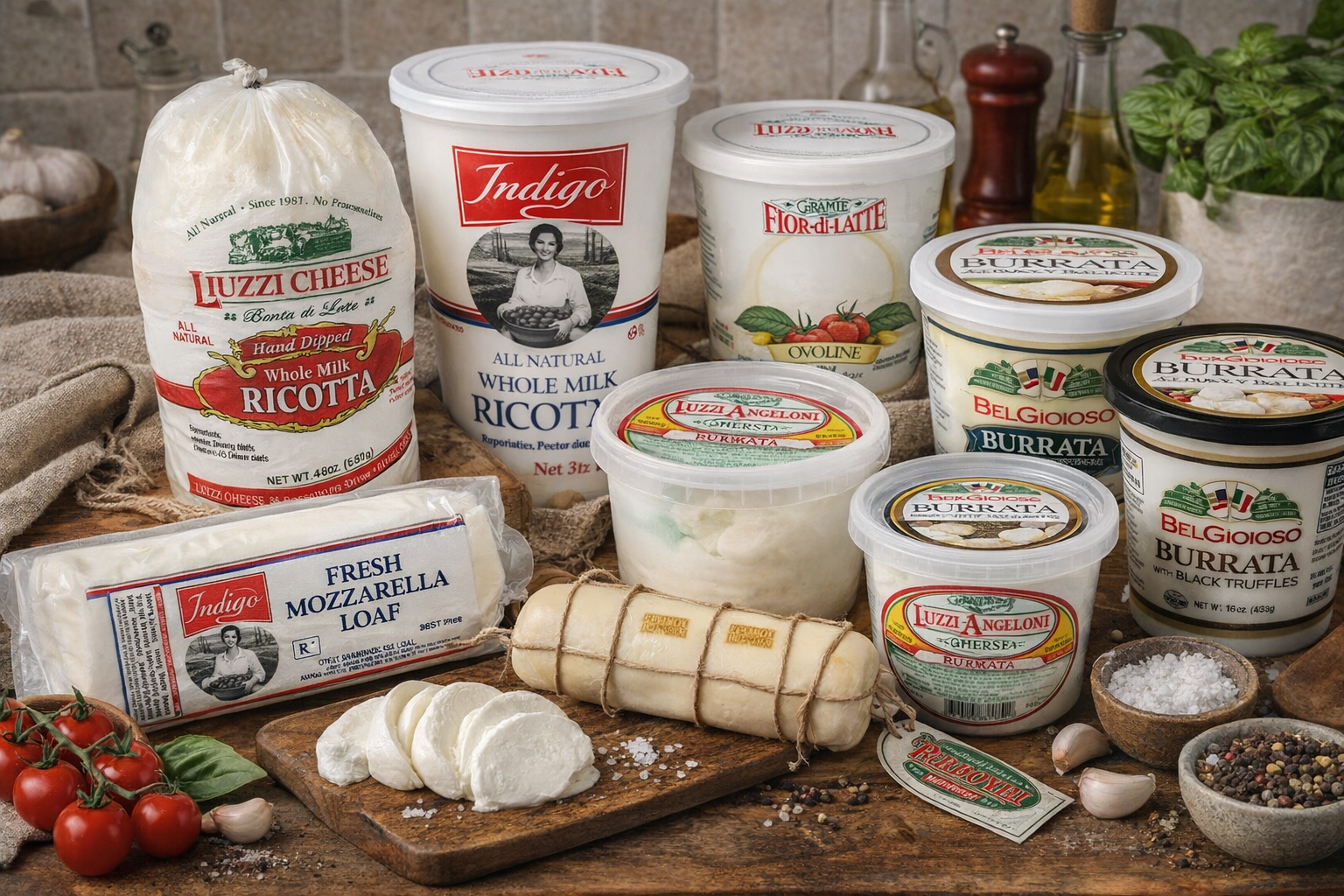
Mastering the art of the kitchen starts with the quality of your staples. Whether you’re building a perfect cheese board or preparing a multi-course Italian dinner, Onatru Foods brings restaurant-quality ingredients directly to your door.
From our curated selection of imported cured meats to our professional-grade pantry staples, we ensure everything is handled with the same care a chef would provide.
Current Promos at Onatru Foods:
- Save Big: Take $25 off your order of $175 or more.
- Free Shipping: Get Free 2nd Day Air Shipping on all perishable orders over $350.
Whether you’re stocking up on the best seafood to order online or refreshing your supply of Sicilian liquid gold, we’ve got you covered with nationwide delivery and leak-resistant, insulated packaging.
We’re working behind the scenes and cooking up something great ( we’ll see you soon in the Onatru Kitchen!)


