If there were a culinary monarchy, Parmigiano Reggiano wouldn’t just be sitting on the throne; it would be the one who built the palace, wrote the laws, and decided who gets invited to the feast. In professional kitchens from Modena to Manhattan, it is simply known as the "King of Cheeses."
But let’s clear one thing up before we dive into the brine: "Parmesan" and "Parmigiano Reggiano" are not the same thing. If you’re buying a green shaker bottle from a room-temperature shelf, you’re eating wood pulp and sadness. True Parmigiano Reggiano is a masterpiece of chemistry, tradition, and strict Italian law. At Onatru Foods, we’re obsessed with the real deal: the kind that makes a chef’s heart skip a beat and a risotto go from "good" to "life-changing."
Welcome to Parmigiano Reggiano 101. Put down the pre-shredded bag and let’s get into the granular details of the world’s most prestigious cheese.
The Law of the Land: What Is Parmigiano Reggiano?
To understand what is Parmigiano Reggiano, you have to understand geography. This isn't just a recipe; it’s a Protected Designation of Origin (DOP) product. By Italian law, this cheese can only be produced in a very specific patch of Northern Italy: the provinces of Parma, Reggio Emilia, Modena, and parts of Mantua and Bologna.
Why does that matter? Because the cows eating the grass in these specific pastures produce milk with a unique microbial profile. If you try to make this cheese in Wisconsin or even in Southern Italy, it might be delicious, but it legally cannot be called Parmigiano Reggiano. It would just be "hard cheese."
Three Ingredients, Zero Shortcuts
The ingredient list for the King of Cheeses is shorter than a haiku:
- Raw Cow’s Milk: Delivered twice a day to the dairy.
- Salt: Primarily used in the brining process.
- Rennet: A natural enzyme used to curdle the milk.
That’s it. No preservatives, no "anti-caking agents," and certainly no artificial colors. It is one of the cleanest, most natural products you can put in your body. It’s also naturally lactose-free thanks to the long aging process, making it a rare dairy win for the sensitive-stomached among us.

From Milk to Masterpiece: How It’s Made
The process of making a wheel of Parmigiano Reggiano is a lesson in patience. It takes about 550 liters (roughly 145 gallons) of milk to produce a single 80-pound wheel.
The cheesemakers (the casari) combine whole milk from the morning milking with naturally skimmed milk from the previous evening. They heat it in giant copper cauldrons, add the rennet, and wait for the magic to happen. Once the curd forms, it’s broken down into tiny granules with a giant whisk called a spino.
After cooking and settling, the cheese mass is lifted out in a linen cloth, cut in half, and placed into circular molds. This is where it gets its "passport." A plastic marking belt is wrapped around the cheese, imprinting the month and year of production, the dairy’s registration number, and those famous dotted words: PARMIGIANO REGGIANO.
The wheels then take a 20-to-25-day bath in a heavy salt brine. This isn't just for flavor; the salt creates the rind and preserves the cheese for the years of aging to come.
The Age of Excellence: 12, 24, and 36 Months
When you’re browsing the premium selection at Onatru Foods, you’ll notice different age statements. Aging (or stagionatura) transforms the cheese from a simple dairy product into a complex explosion of flavor.
12–18 Months: The Youngster (Mezzano)
At this stage, the cheese is still relatively soft and creamy. You’ll taste notes of fresh milk, grass, and yogurt. It’s excellent for snacking or shaving over a fresh arugula salad. It’s the "light" version of the King.
24 Months: The Sweet Spot (Vecchio)
This is the gold standard for most chefs. At two years old, the texture becomes crumbly and the flavor profile deepens into nutty, buttery territory. You’ll start to notice the "crystals": those crunchy bits that people often mistake for salt. They aren't salt; they are crystals of tyrosine, an amino acid that forms as the proteins break down. This is the ultimate cheese for your pasta and authentic Italian tomato sauces.
36+ Months: The Intense (Stravecchio)
Three years or more in the aging room turns the cheese into a flavor bomb. It’s dry, crumbly, and incredibly savory. At this stage, it’s best enjoyed on its own or paired with a few drops of traditional balsamic vinegar from Modena. It’s spicy, nutty, and demands a bold red wine to stand up to its intensity.
How to Spot a Fake: The Inspection
Every single wheel of Parmigiano Reggiano is inspected by a master grader from the Consortium. They tap the wheel with a special hammer and listen for hollow spots or cracks. If it passes, it gets the fire-branded logo.
When you buy a wedge, look for these quality markers:
- The Dotted Rind: You should see fragments of the "Parmigiano Reggiano" name burned into the skin.
- The DOP Stamp: Look for the red and yellow circular seal.
- The Texture: It should be granular and break into shards, not slices. If it bends like cheddar, put it back.
Professional Techniques: Using the King in Your Kitchen
If you’re just grating this over spaghetti, you’re missing half the fun. Here is how professional chefs maximize every ounce of this expensive import.
1. Never Slice, Always Chunk
Don't take a chef's knife to a wedge of Parmigiano. Use a traditional almond-shaped parmesan knife to pry off irregular chunks. These jagged edges provide more surface area for your taste buds to interact with, making the cheese taste more intense.
2. The Rind is Liquid Gold
Never, ever throw away the rind. It is 100% edible and packed with umami. Toss the clean rinds into your soups, stews, or stocks. As the soup simmers, the rind softens and releases a deep, savory richness that bouillon cubes can only dream of. Just fish it out before serving (or keep it for yourself as a "chef's snack").
3. Pairing Like a Pro
Parmigiano Reggiano loves contrast. Pair it with:
- Honey or Fruit Preserves: The sweetness balances the salt.
- Nuts: Walnuts or marcona almonds highlight the cheese's inherent nuttiness.
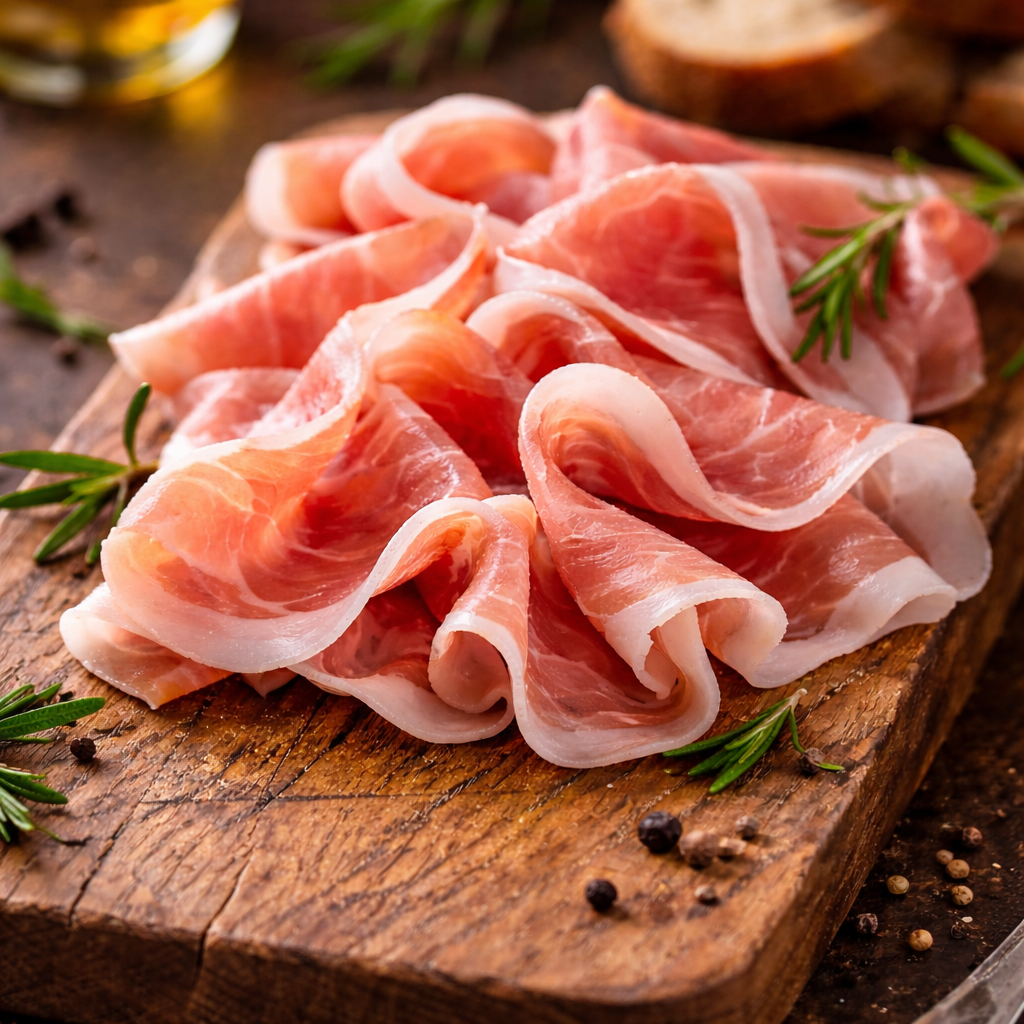
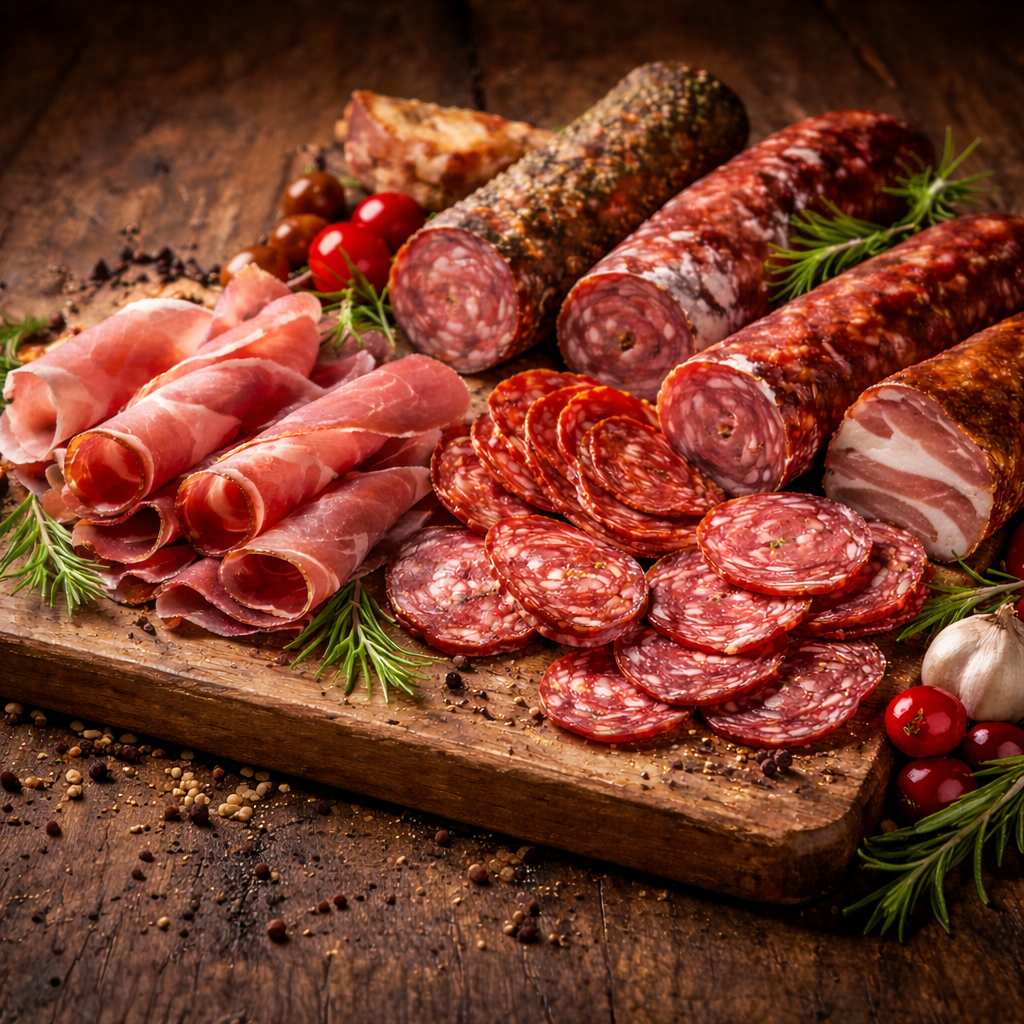
- Cured Meats: It is the backbone of any serious charcuterie board. Pair it with premium Prosciutto or imported cured meats for the ultimate Italian experience.

Why Sourcing Matters: From the Italian Dairy to Your Door
At the Onatru Kitchen, we believe that the best meals start with the best ingredients. You can have the best technique in the world, but if you're using sub-par cheese, your dish has a "flavor ceiling."
We source our Parmigiano Reggiano and other specialty imports with the same rigor as the world's top restaurants. Because we handle high-end logistics and nationwide delivery, you get access to the same quality wheels that top-tier executive chefs use, delivered straight to your home or commercial kitchen.
Whether you’re a home enthusiast looking to level up your Sunday gravy or a professional buyer stocking a pantry, quality is non-negotiable. And because we know that shipping premium perishables requires care, we use insulated packaging and 2nd Day Air to ensure your cheese arrives in pristine condition.
Current Promotions for the Serious Chef
Ready to stock your pantry with the King of Cheeses? We’ve got a couple of ways to help you save on the good stuff:
- Save $25 on all orders of $175 or more.
- Free 2nd Day Air Shipping on all perishable orders over $350.
It’s the perfect excuse to grab a large wedge of Parmigiano, some fresh beef cuts for a ragu, and maybe a few Bindi Italian sweets for dessert.
The Final Word: Treat It With Respect
Parmigiano Reggiano isn't just a condiment; it’s a cultural heritage. It represents nearly a thousand years of history, the hard work of Italian farmers, and a commitment to quality that refuses to compromise for the sake of mass production.
When you bring a wedge into your kitchen, treat it with respect. Wrap it in parchment paper (not plastic wrap, which suffocates it), keep it in the crisper drawer, and use it generously. Life is too short for mediocre cheese.
We’re working behind the scenes and cooking up something great ( we’ll see you soon in the Onatru Kitchen!)