If there is a hierarchy in the culinary world, Parmigiano Reggiano doesn’t just sit at the high table, it owns the room. Often called the "King of Cheeses," this isn’t the stuff you find in a green shaker can at a highway pizza joint. We’re talking about a centuries-old masterpiece of moisture, fat, and salt that has been perfected by Italian artisans to the point of obsession.
For the serious home chef or the restaurant professional, understanding Parmigiano Reggiano is a rite of passage. It is the backbone of Umami in Western cooking. At Onatru Foods, we believe that if you’re going to cook with the best, you need to know why the best is, well, the best. From the rolling hills of Emilia-Romagna to your kitchen counter, let’s dive into everything you need to know to master this essential ingredient.
The Pedigree: Why It’s Not Just "Parmesan"
Let’s clear the air immediately: "Parmesan" is a generic term often used for any hard, grating cheese. Parmigiano Reggiano, however, is a Protected Designation of Origin (DOP) product. This means that by law, it can only be produced in a very specific corner of Northern Italy, specifically the provinces of Parma, Reggio Emilia, Modena, and parts of Mantua and Bologna.
Why does the geography matter? It’s about the "terroir." The cows that produce the milk for this cheese are fed a strict diet of locally grown forage. Silage, fermented feeds, and animal byproducts are strictly banned. This ensures the milk has a specific microbial profile that allows the cheese to age for years without spoiling.
Three Ingredients, Infinite Complexity
It is almost hard to believe that a flavor so complex comes from just three ingredients:
- Unpasteurized Cow’s Milk: Collected twice a day (the evening's skimmed milk mixed with the morning's whole milk).
- Salt: Absorbed during a 20-25 day brine bath.
- Rennet: A natural enzyme used to curdle the milk.
No preservatives, no additives, no "cellulose" to keep it from clumping. Just pure, unadulterated craft. Each wheel requires roughly 550 liters (about 145 gallons) of milk to produce. When you buy a wedge from Onatru Foods, you’re holding the concentrated essence of a massive amount of high-quality dairy.

Caption: Master cheesemakers in Italy carefully monitoring the formation of the curds in copper-lined vats.
The Aging Game: Understanding the Timeline
Time is the secret ingredient in the aging rooms of the Parmigiano Reggiano Consortium. A wheel isn't even allowed to call itself Parmigiano Reggiano until it has aged for at least 12 months. At that point, experts inspect every single wheel with a small hammer, listening for structural defects.
12-18 Months: The Youthful Stage
At this age, the cheese is still relatively soft and creamy. The flavor is acidic and reminiscent of fresh milk and grass. It’s excellent as an aperitivo, paired with sparkling white wines or crisp fruits like green apples.
24 Months: The Sweet Spot
This is the standard age for most premium culinary applications. The texture becomes grainier, and you’ll notice the appearance of "tyrosine crystals", those little white crunchy bits that people often mistake for salt. They aren’t salt; they are amino acid clusters that signal a well-aged cheese. The flavor profile shifts toward melted butter and pineapple.
36+ Months: The Intense Masterpiece
Known as stravecchio, cheese aged for three years or more is crumbly, dry, and intensely savory. It’s spicy, nutty, and carries notes of dried fruit. This is the cheese you shave over a finished risotto or enjoy with a few drops of high-end traditional balsamic vinegar.

Caption: Close-up of the crystalline structure and crumbly texture of a 36-month aged Parmigiano Reggiano wedge.
Professional Techniques: Using the King in Your Kitchen
If you’re only using Parmigiano Reggiano to dust the top of your spaghetti, you’re leaving 90% of its potential on the cutting board. Here is how the pros handle the King.
1. Stop Cutting, Start Breaking
Because of its granular structure, you should never cut Parmigiano into cubes for a cheese board. Use a traditional almond-shaped cheese knife to "break" it into irregular shards. This preserves the internal texture and provides more surface area for your palate to experience the flavor.
2. The Liquid Gold (The Rind)
Never, under any circumstances, throw away the rind. Once you’ve grated your wedge down to the nub, toss that rind into a freezer bag. When you’re making a minestrone, a beef stew, or even a simple tomato sauce, drop the rind in while it simmers. It won't melt completely, but it will release an incredible depth of umami and a subtle silkiness to the liquid.
3. Emulsification is Key
To get that restaurant-quality glossy sauce (like a true Cacio e Pepe or Fettuccine Alfredo), never add the cheese to boiling liquid. High heat will cause the proteins to clump and the fats to separate, leaving you with a greasy, stringy mess. Whisk your finely grated cheese into your pasta water off the heat to create a smooth, creamy emulsion.
Buying Guidance: Identifying the Real Deal
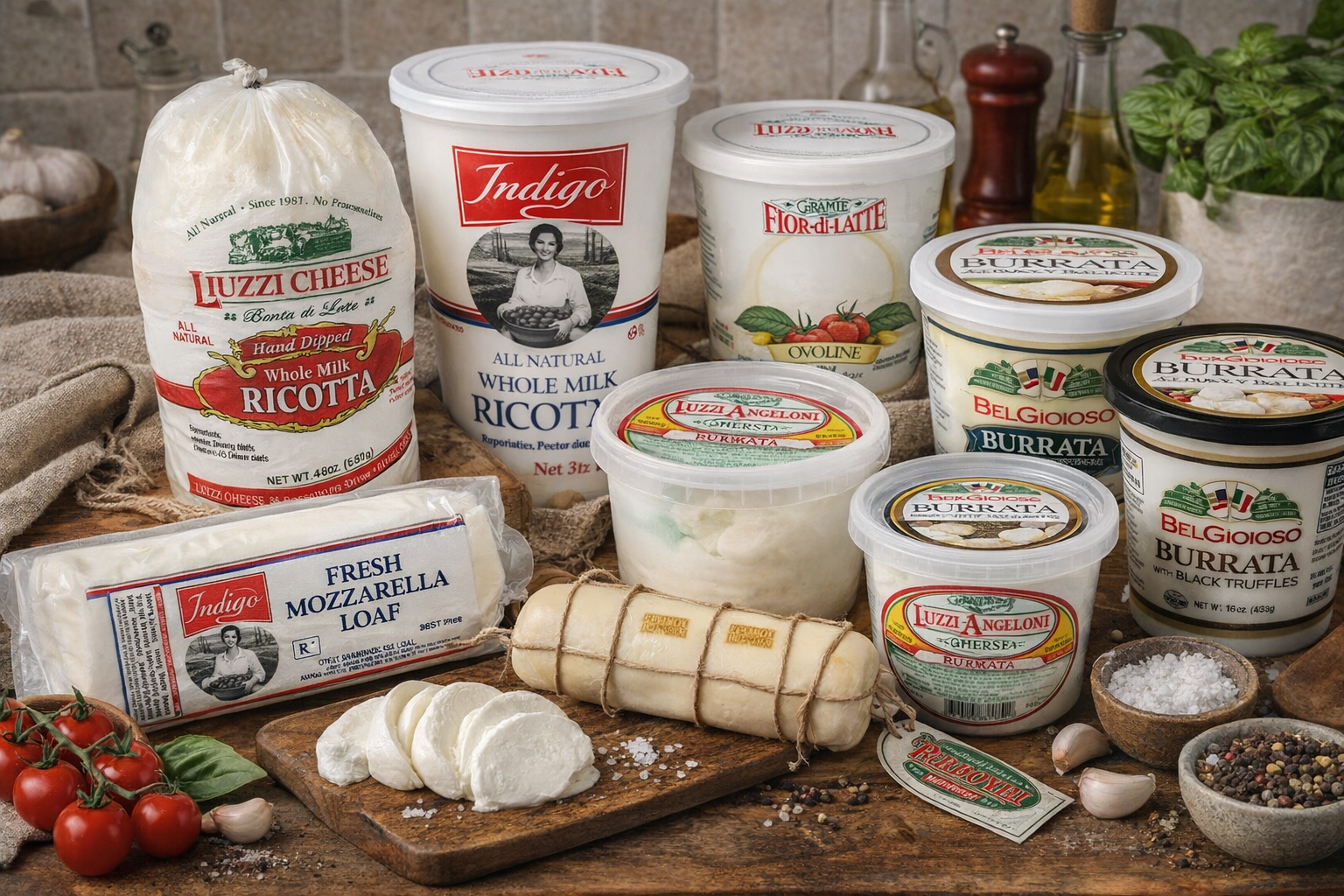
When you are sourcing specialty imports, you need to look for the "dots." Every authentic wheel of Parmigiano Reggiano has the name of the cheese pin-dotted onto the rind. If you buy a pre-cut wedge, make sure at least a portion of that dotted rind is visible.
At Onatru Foods, we take the guesswork out of the equation. We source restaurant-quality ingredients that meet the rigorous standards of professional kitchens. Whether you are looking for specialty product sourcing for your business or simply want the best for your Sunday dinner, we ensure every product is handled with care.
Shipping & Freshness
We know that shipping perishables can be stressful. That’s why we use insulated, ice-packed containers and reliable 2nd Day Air shipping to ensure your cheese (and our premium frozen seafood) arrives in peak condition. For us, the "frozen" or "chilled" state isn't a compromise, it’s a feature. It preserves the integrity of the product from our warehouse to your doorstep.

Caption: A perfectly executed pasta carbonara topped with freshly shaved Parmigiano Reggiano shards.
Shop the Onatru Kitchen
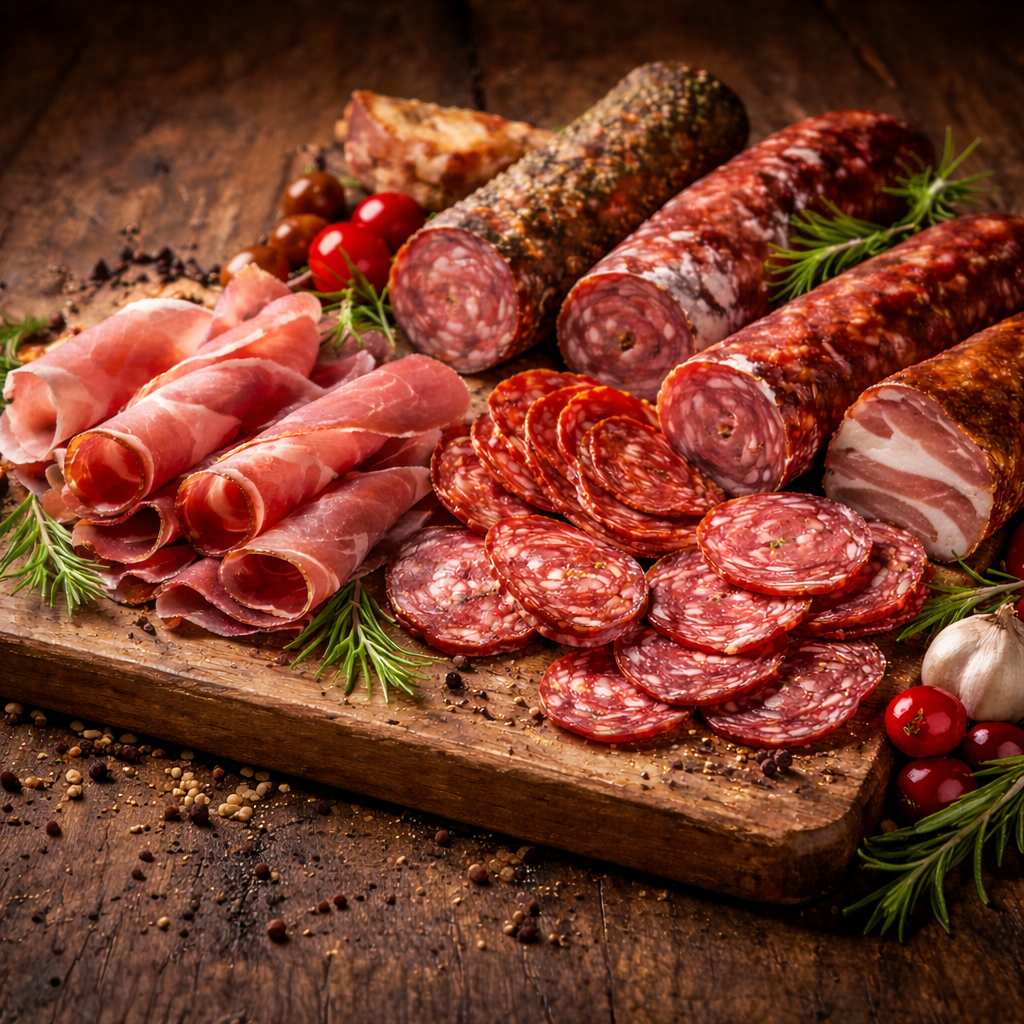
Ready to elevate your culinary game? Mastering the King of Cheeses is just the beginning. At Onatru Foods, we’re dedicated to bringing the world’s finest ingredients, from imported cured meats to authentic Italian sweets, directly to your kitchen.
Current Promos to Fuel Your Passion:
- $25 OFF: Get $25 off your order of $175 or more.
- FREE SHIPPING: Enjoy Free 2nd Day Air shipping on all perishable orders over $350.
Whether you're stocking up for a gala dinner or just making sure your pantry is never without a wedge of the good stuff, we’ve got you covered. Visit our collections page to see our latest arrivals.
We’re working behind the scenes and cooking up something great , we’ll see you soon.
Frequently Asked Questions
How should I store my Parmigiano Reggiano?
Wrap your wedge tightly in parchment paper or wax paper, then loosely in aluminum foil. Store it in the vegetable crisper of your refrigerator. Avoid plastic wrap if possible, as it can cause the cheese to "sweat" and lose its texture.
Is Parmigiano Reggiano lactose-free?
Actually, yes! Due to the long aging process, the lactose is naturally broken down, making it a safe choice for most people with lactose intolerance.
What should I pair it with?
For younger cheeses, try honey or walnuts. For older varieties, a few drops of aged balsamic vinegar or a bold red wine like a Sangiovese or Nebbiolo works beautifully.
For more information on our commitment to quality, check out our Food Safety page or learn more About Us.