

If you have ever stood in the specialty cheese aisle of a high-end grocer, you’ve likely seen the towering wheels of gold stamped with a repetitive, dotted inscription. You know the name: Parmigiano Reggiano. It is the "King of Cheeses," the undisputed heavyweight of the Italian pantry, and a staple in every professional kitchen from Rome to New York.
But here is the secret most supermarket labels won’t tell you: most of what the average consumer buys isn't actually Parmigiano Reggiano. It is a pale imitation, a "parmesan" that lacks the soul, the history, and the chemical complexity of the real deal. At The Onatru Kitchen, we believe that understanding your ingredients is the first step toward culinary mastery.
Today, we’re pulling back the curtain on the mysteries of the King. From why those crunchy bits aren't actually salt to why your plastic wrap is slowly killing your cheese, here is everything experts know, and what you need to master, about what is Parmigiano Reggiano.
The Law Of Three: Only Three Ingredients Allowed
In an era of ultra-processed foods and labels filled with stabilizers and "natural flavors," Parmigiano Reggiano is a defiant outlier. By law, it can only contain three ingredients: milk, salt, and rennet.
That’s it. No preservatives, no anti-caking agents, and certainly no cellulose (wood pulp) often found in the "shaker" cans of the grocery store. The complexity of the cheese doesn't come from a lab; it comes from centuries of refined production methods and the biology of the cows themselves.
Each wheel requires a staggering 500 liters of high-quality milk. Because the ingredients are so sparse, the quality of that milk must be impeccable. This is why the cheese is a protected product (DOP/PDO). If it wasn't made in a very specific corner of Italy, Parma, Reggio Emilia, Modena, or parts of Bologna and Mantua, it isn’t Parmigiano Reggiano. Period.

Geography Is Not A Suggestion
The "terroir" of Italian cheese is as strict as that of French wine. The cows in these specific Italian regions are fed a strictly regulated diet of locally grown forage. They aren't allowed to eat silage (fermented forage) or any animal by-products. This specific diet influences the bacterial flora of the milk, which in turn creates the unique flavor profile that can't be replicated in a factory in the Midwest.
When you buy specialty imports from Onatru Foods, you aren't just buying food; you're buying a piece of geography.
The Crystal Myth: It Isn't Salt
You know that satisfying, sandy crunch you get when you bite into a piece of 24-month-aged Parm? Many people mistake those white specks for salt crystals.
They are actually tyrosine crystals.
As the cheese ages, the proteins (specifically casein) break down into their constituent amino acids. Tyrosine is one of these amino acids, and as it loses moisture over months of aging, it crystallizes. Finding these crystals is the ultimate hallmark of a well-aged, high-quality cheese. They signal that the "culinary alchemy" of maturation has been successful. If your "parmesan" is smooth and rubbery, it simply hasn't lived long enough to be great.
The Aging Spectrum: Picking Your Level
Not all Parmigiano Reggiano is created equal. Depending on the age, the cheese serves entirely different purposes in the kitchen.
- 12–18 Months (The "Innocent" Stage): This is the youngest the cheese can be sold. It is milky, mild, and relatively soft. It’s excellent for snacking or shaving over a fresh salad, but it lacks the punch needed for heavy sauces.
- 24–36 Months (The Sweet Spot): This is where the magic happens. The texture becomes crumbly and grainier, and the flavor shifts toward notes of toasted nuts, melted butter, and dried fruit. This is the standard for professional chefs and the best choice for authentic Italian pasta dishes.
- 40–100 Months (The "Meditation" Cheese): At this stage, the cheese is intensely savory, with hints of tobacco, hay, and deep spice. It is a "meditation cheese," meant to be eaten in small chunks alongside a glass of bold red wine or a drizzle of balsamic vinegar. Please, for the love of all things holy, do not cook with this. It is far too precious (and expensive) to melt into a béchamel.

Stop Killing Your Cheese: The Storage Secret
This is the secret that cheesemongers wish everyone knew: Stop using plastic wrap.
Parmigiano Reggiano is a living, breathing product. When you wrap it tightly in plastic, you suffocate it. The fats begin to turn rancid, and the cheese can pick up "off" flavors from the plastic itself.
The Pro Method: Wrap your cheese in parchment paper or wax paper, then place it in a loosely closed zip-top bag or a dedicated cheese vault. This allows the cheese to breathe without drying out. If you treat it like the investment it is, it will last in your fridge for months.
Chef’s Technique: The Rind Is Liquid Gold
Never, ever throw away the rind. The hard outer layer of a wheel of Parmigiano Reggiano is 100% edible and packed with concentrated umami.
Professional chefs keep a "rind stash" in their freezers. When making a minestrone, a ragu, or even a simple risotto, toss a rind into the pot while it simmers. It won't fully melt, but it will release an incredible depth of flavor that salt alone can never achieve. Before serving, pull the softened rind out, chop it up, and eat it: it’s a chef’s treat.
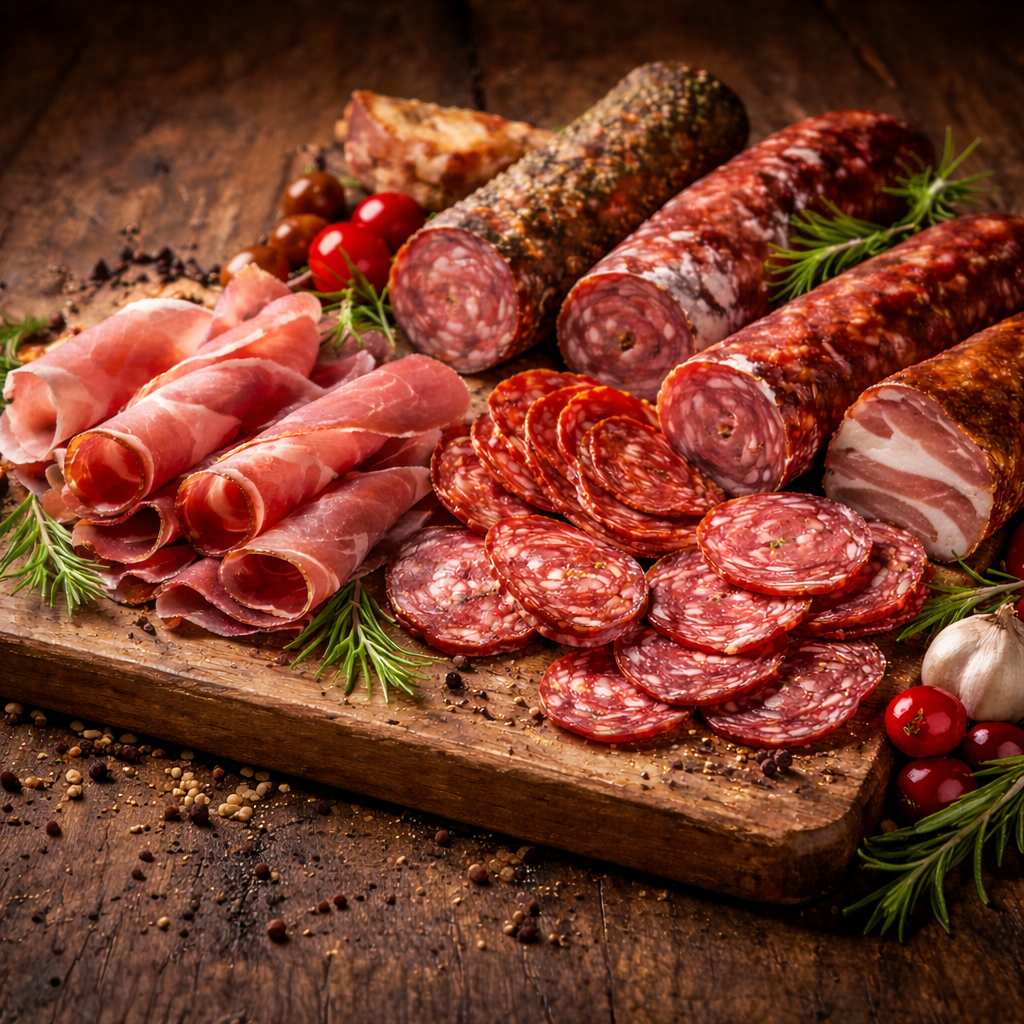
Mastering the Cheese Board
When creating the perfect cheese board, the presentation of Parmigiano Reggiano is key. Experts never slice it with a knife. Slicing creates a smooth surface that limits the surface area touching your tongue.
Instead, use a traditional almond-shaped cheese knife to "crack" the cheese into rough, jagged chunks. This uneven surface allows more of the aromatic compounds to hit your palate, making the cheese taste significantly more complex. Pair it with premium cured meats and a touch of honey or dried fruit for a restaurant-quality experience at home.
Why Source From Onatru Foods?
In the world of premium culinary ingredients, provenance is everything. At Onatru Foods, we specialize in sourcing the same restaurant-quality staples that top-tier chefs use to build their menus. Whether you are looking for the perfect aged cheese or imported Italian tomatoes to build your sauce, we handle every product with the respect it deserves.
We know that getting high-end ingredients to your door can be a logistical challenge. That’s why we’ve perfected our shipping process. Every perishable order is packed in insulated, leak-resistant packaging with enough dry ice or gel packs to ensure it arrives at your doorstep in peak condition. We provide nationwide delivery, coast-to-coast, so you can access the world's best pantry from anywhere.

Shop The Ingredients From Onatru
Ready to elevate your home cooking to Michelin-star levels? Don't settle for "parmesan-style" cheese when you can have the King.
Explore our curated selection of Italian staples and specialty imports to transform your next dinner party. Whether you're building a massive charcuterie spread or perfecting a simple Cacio e Pepe, the quality of your cheese will make or break the dish.
Current Promotions at Onatru Foods:
- Save Big: Take $25 off your order when you spend $175 or more.
- Free Shipping: Enjoy Free 2nd Day Air Shipping on all perishable orders over $350.
Stock up on your favorites, from aged Parmigiano Reggiano to our exclusive seafood bundles, and experience the difference that professional-grade ingredients make.
We’re working behind the scenes and cooking up something great : we’ll see you soon!
For more tips on mastering the art of the kitchen, check out our guides on how to cook scallops or sourcing the best Italian olive oils.


