

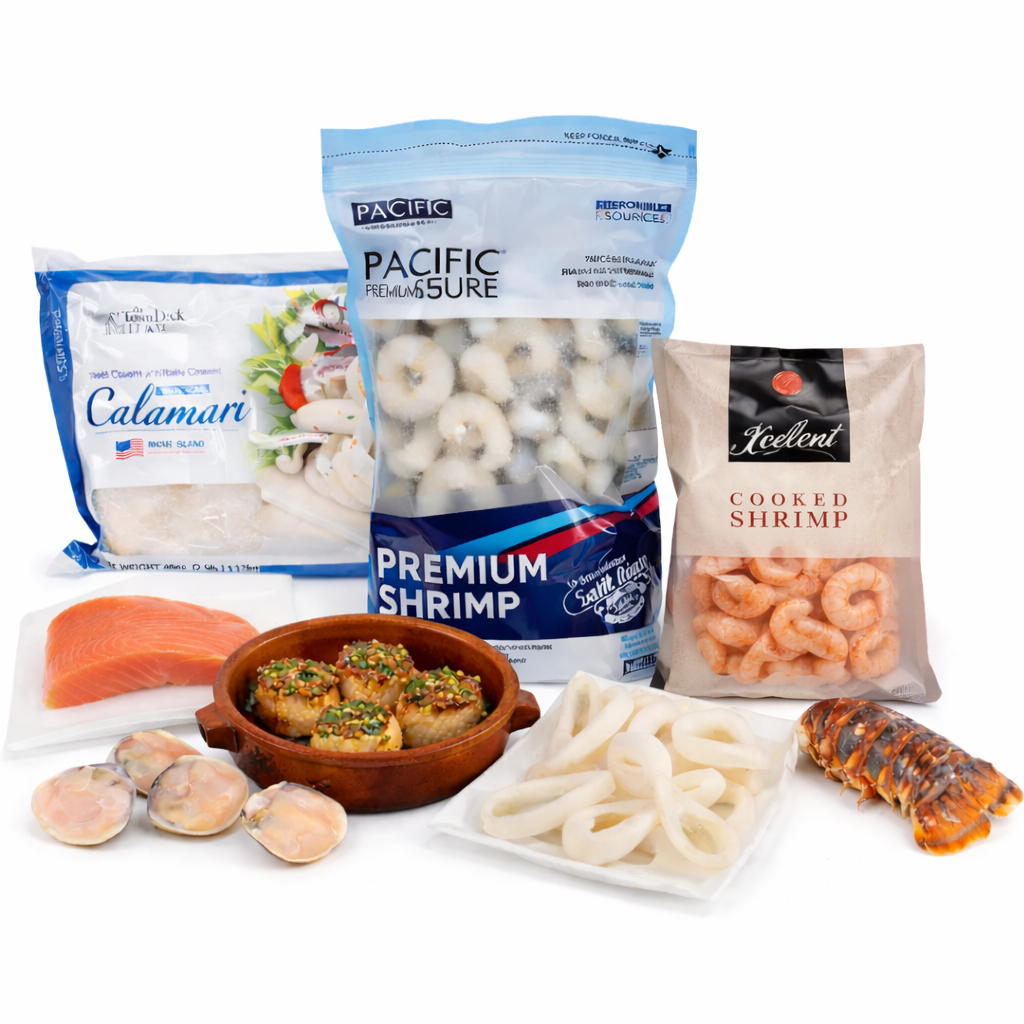
Octopus is often seen as the "final boss" of home seafood preparation. In professional kitchens, we see it as a canvas: a dense, flavorful protein that, when treated with the respect it deserves, transforms from a rubbery nightmare into a buttery, melt-in-your-mouth delicacy. If you’ve ever ordered a perfectly charred tentacle at a high-end Mediterranean bistro and wondered why your home attempts feel like chewing on a garden hose, you aren't alone.
The truth is, there is no magic spell. There is only science, patience, and starting with the right product. At The Onatru Kitchen, we believe that restaurant-quality results start with restaurant-quality sourcing. When you are looking for the best seafood to buy online, you need to understand that "fresh" isn't always the gold standard for every species. For octopus, the freezer is actually your greatest ally.
In this guide, I’m going to walk you through the professional techniques for achieving tender octopus every single time, from the "thermal shock" method to the critical timing rules that separate the amateurs from the masters.
The Secret Ingredient: Why Frozen is Better
It might sound counterintuitive to hear a chef advocate for frozen over fresh, but with octopus, the freezing process is a crucial step in tenderization. Octopus is composed of incredibly dense, cross-hatched muscle fibers and a significant amount of collagen. When octopus is flash-frozen: like the selection we provide at Onatru Foods: the water inside the cells expands into ice crystals. These microscopic crystals act like tiny knives, physically breaking down those tough connective tissues and muscle fibers.
When you buy "fresh" octopus at a local market, you often have to manually tenderize it by pounding it against a rock (the traditional Greek method) or using a meat mallet for twenty minutes. By choosing premium frozen octopus, half the work is already done for you. Our products are flash-frozen at the source to lock in peak flavor and begin that structural breakdown, ensuring that when it arrives at your door via our nationwide delivery, you are starting with a superior baseline.
Ingredient Education: Quality Markers and Origin
Before we pick up a pan, let’s talk about what you’re looking for. The best octopus generally comes from the cold, nutrient-rich waters of the Atlantic or the Mediterranean. You want tentacles that are plump and skin that looks vibrant, even in its frozen state.
When sourcing, look for:
- Size Consistency: Uniform tentacles ensure even cooking.
- Cleaning: Most premium frozen octopus comes "cleaned," meaning the beak and ink sac are already removed. This is a massive time-saver for the home chef.
- Sustainability: We prioritize responsibly sourced seafood because quality shouldn't come at the cost of the ocean's health.
The Golden Rule: Avoid the "Medium" Trap
If there is one thing you take away from this guide, let it be this: Avoid medium heat entirely.
Octopus proteins react to heat in a very specific way.
- Fast (Under 5 Minutes): High, screaming heat sears the exterior before the internal proteins have a chance to contract and toughen.
- Slow (45 Minutes to 2 Hours): Low, gentle heat slowly melts the collagen into gelatin, creating that buttery texture.
The "Danger Zone" is the middle ground. Cooking octopus on medium heat for 10 to 20 minutes causes the proteins to seize up and expel all their moisture. This is how you end up with rubber. You must choose a path: the sprint or the marathon.
Technique 1: The Slow-Cooking Marathon (Most Reliable)
For most home cooks and even in many high-end restaurants, the "Slow and Low" method is the gold standard. It’s nearly foolproof and yields the most consistent results.
The Thermal Shock (The "Three Dips")
In the Portuguese tradition, we start with a technique called thermal shock. Bring a large pot of water to a simmer: not a rolling boil. Add aromatics like bay leaves, a halved onion, and perhaps some peppercorns.
Using tongs, grip the octopus by the head and submerge the tentacles into the hot water for about 5 seconds, then pull it out completely. Repeat this three times. You will see the tentacles curl up into tight, aesthetic spirals. This isn't just for looks; the thermal shock helps the skin contract and adhere to the meat, preventing it from peeling off during the long simmer.
The Long Simmer
After the third dip, submerge the octopus fully. Reduce the heat to medium-low. You want a very gentle bubble.
- Small Octopus: 45–60 minutes.
- Large Octopus: 1.5–2 hours.
Test for doneness by inserting a paring knife or a fork into the thickest part of the tentacle. It should slide in with almost no resistance, much like a room-temperature stick of butter.

Technique 2: The Quick High-Heat Sprint
This method is for the bold. If you have high-quality, smaller octopus or very thinly sliced pieces, you can flash-sear them.
- Get it Hot: Use a cast-iron skillet and get it to the point where the oil is just starting to smoke.
- Dry is Key: Pat the octopus completely dry. Moisture is the enemy of a good sear.
- The 2-Minute Rule: Sear for 90 seconds to 2 minutes per side. Do not move it. You want a hard, caramelized crust.
Finishing Touches: The Onatru Way
Once your octopus is tender, the final step is adding flavor and texture. Even after a long simmer, I always recommend a "finish" on the grill or in a hot pan to get those crispy edges.
Brush the tender tentacles with a high-quality Extra Virgin Olive Oil and char them over high heat for 2 minutes. Serve it over a bed of creamy vegetable puree or with a side of imported Italian tomatoes sautéed with garlic.
A simple dressing of lemon juice, fresh parsley, and a pinch of chili flakes is all you need to highlight the natural sweetness of the meat. If you want to go the extra mile, pair it with some Premium Italian Cheeses on a charcuterie board for a truly Mediterranean experience.
Buying Guidance: Why Sourcing Matters
When you're searching for the best seafood to buy online, reliability is everything. You aren't just buying an ingredient; you're buying the logistics that keep that ingredient safe and high-quality. At Onatru Foods, we’ve mastered the art of shipping perishables.
We use high-density insulated packaging and dry ice to ensure your seafood remains at a stable, sub-zero temperature from our warehouse to your kitchen. Whether you are a professional chef stocking a bistro or a home enthusiast planning a dinner party, our "Seafood You Can Trust" guarantee means you never have to worry about the cold chain being broken.
Shop the Ingredients from Onatru
Ready to put these techniques to the test? Visit our Meat and Seafood Collection to find premium octopus and other gourmet essentials. We make it easy to bring the restaurant experience home with nationwide delivery that is both fast and reliable.
Current Promotions at The Onatru Kitchen:
- Save $25 on all orders of $175 or more. Use this to stock up on your favorite proteins and pantry staples.
- Free 2nd Day Air Shipping on all perishable orders over $350. This is the perfect way to ensure your seafood arrives in peak condition without the extra cost.
Whether you're reaching for the stars with a charred octopus centerpiece or keeping it simple with a beautiful Prosciutto platter, we are here to provide the ingredients that make your cooking stand out.
We’re working behind the scenes and cooking up something great ( we’ll see you soon!)


