

Let’s be honest: your pantry is the heartbeat of your kitchen. It’s the difference between a "meh" Tuesday night pasta and a "holy cow, did a Michelin star chef just break into my house?" culinary experience. If you’re serious about food: and we know you are if you're hanging out here at The Onatru Kitchen: then you know that not all ingredients are created equal.
Among the pantheon of premium culinary ingredients, one stands above the rest as the absolute foundation of flavor: olive oil. But here’s the kicker: most people are doing it wrong. They’re buying the generic "light" version in the plastic jug and wondering why their sautéed sea bass doesn't taste like the one they had in Amalfi.
Today, we’re doing a deep dive into the world of liquid gold. We’re going to talk about specialty imports, professional kitchen techniques, and how to stock your pantry so you can finally cook like a pro.
The Science of the Squeeze: Why Premium Matters
In the professional world, we don't just look for "Extra Virgin" on a label and call it a day. That’s like buying a car because it has four wheels: it’s the bare minimum. Truly high-end olive oil is a product of agriculture, climate, and timing.
When we talk about premium culinary ingredients, we’re looking for a few specific markers that separate the supermarket sludge from the restaurant-quality stuff we source here at Onatru Foods.
1. The Cold Pressing Standard
"Cold-pressed" isn't just a marketing buzzword used to justify a higher price point. It means the oil was extracted at a temperature below 80.6°F (27°C). Why does that matter? Heat is the enemy of flavor. When you heat the olives during extraction, you get more oil, but you lose the volatile compounds that give the oil its peppery, grassy, and floral notes.
2. Acidity Levels
Top-tier Extra Virgin Olive Oil (EVOO) must have a free acidity level of less than 0.8%. However, the absolute best oils: the ones the pros use: often sit much lower, around 0.2% or 0.3%. Lower acidity translates to a smoother mouthfeel and a more stable oil for cooking.
3. The Harvest Date
Unlike a fine Cabernet, olive oil does not get better with age. It is essentially fresh fruit juice. You want to see a harvest date on the bottle. If a bottle doesn't tell you when the olives were picked, put it back. You’re looking for oil that is less than 18 to 24 months old from the harvest.

The Chef’s Secret: The Two-Bottle System
If you walk into any high-end restaurant kitchen, you won't see the chef using a $60 bottle of ultra-premium Sicilian oil to grease a baking sheet. That’s a waste of money and flavor. Professional kitchen techniques rely on the "Two-Bottle System."
The Workhorse (Your Everyday Oil)
This is your "cooking" oil. It should still be a high-quality EVOO, but one that is more balanced and less intense. You use this for sautéing, making basic vinaigrettes, and roasting vegetables. It needs to be clean, reliable, and available in larger quantities.
The Showstopper (Your Finishing Oil)
This is the oil you keep in the back of the pantry, away from the stove's heat. This is for drizzling over a finished piece of fresh beef, a bowl of creamy polenta, or a plate of fresh burrata. These oils are often "monocultivar" (made from a single type of olive) and have intense flavors: think notes of artichoke, green tomato, or a spicy back-of-the-throat kick.
Debunking the Smoke Point Myth
We’ve all heard it: "Don't cook with Extra Virgin Olive Oil because the smoke point is too low."
Respectfully, that’s nonsense.
While refined oils like avocado or grapeseed have higher smoke points, high-quality EVOO is incredibly stable due to its high antioxidant content. These antioxidants act as a shield, preventing the oil from oxidizing when heated. You can absolutely use a premium EVOO for sautéing and even shallow frying. The flavor it imparts to your food is something no neutral oil can replicate. If you're searing a dry-aged steak, use a high-heat oil first, then finish with your premium EVOO to add that signature richness.

Pairing Your Oil with Specialty Imports
A great oil is only half the battle. To cook like a pro, you need to understand how your oil interacts with other specialty imports.
- The Tomato Connection: If you’re using Imported Italian Tomatoes, you want an oil that can stand up to that acidity. A robust, peppery oil from Tuscany or Puglia is the perfect match for a slow-simmered marinara.
- The Salty Balance: When working with Imported Cured Meats like Prosciutto, a buttery, mellow oil helps balance the saltiness of the meat.
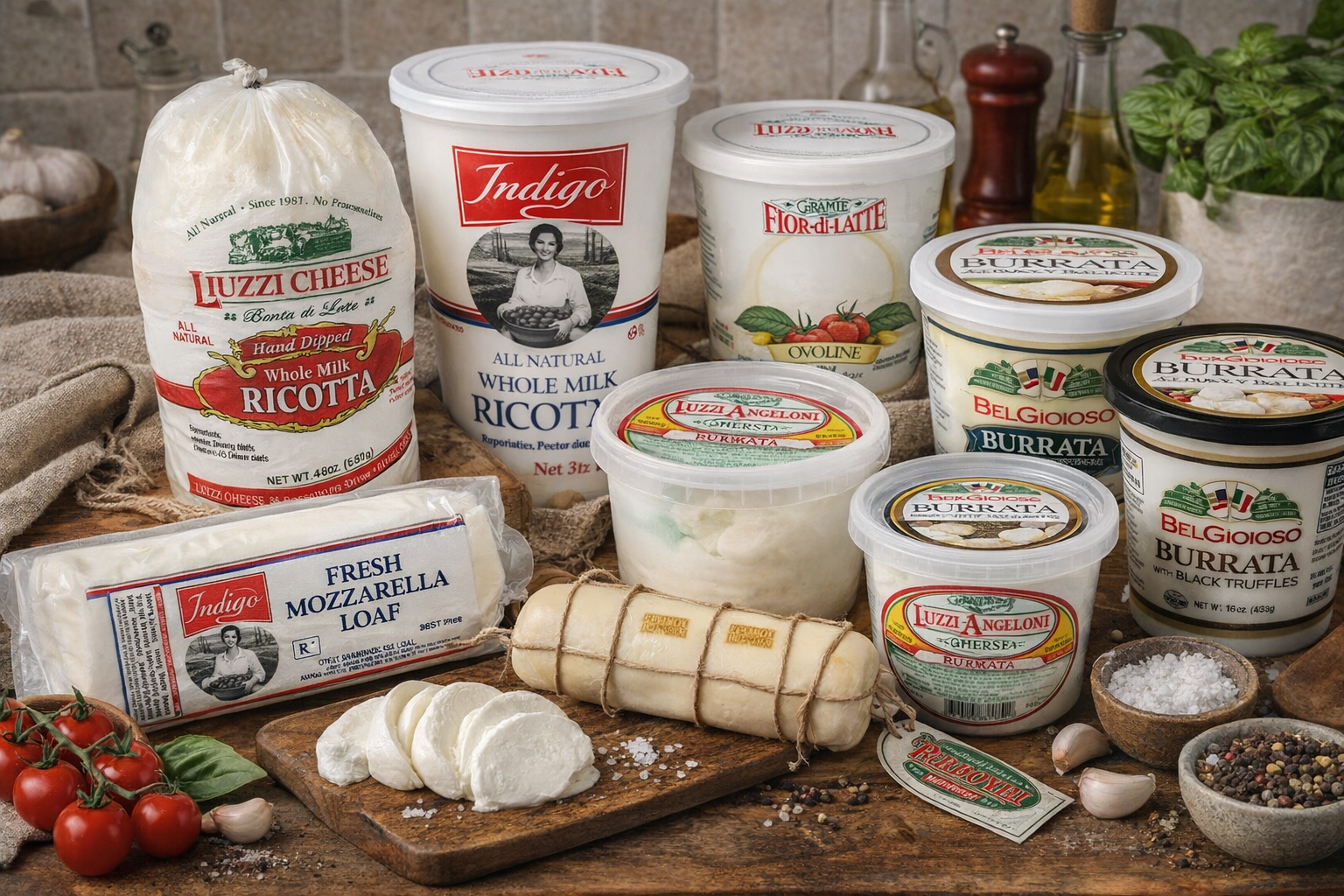
- The Cheese Factor: There is nothing better than a puddle of green, vibrant olive oil sitting in the center of a fresh ball of Mozzarella or Ricotta.
How to Store Your Liquid Gold
You’ve spent the money on the good stuff; don’t ruin it by leaving it on the counter. Light, heat, and oxygen are the three Horsemen of the Olive Oil Apocalypse.
- Dark Glass Only: Only buy oil in dark glass bottles or tin cans. Clear glass is a death sentence for flavor.
- Keep it Cool: Do not store your oil right next to your stove. We know it’s convenient, but the constant heat cycles will turn your oil rancid in weeks.
- Tight Seals: Oxygen causes oxidation. Make sure the cap is on tight after every use.
Techniques to Elevate Your Cooking
Ready to move beyond the basic drizzle? Here are three professional kitchen techniques to try with your Onatru pantry staples:
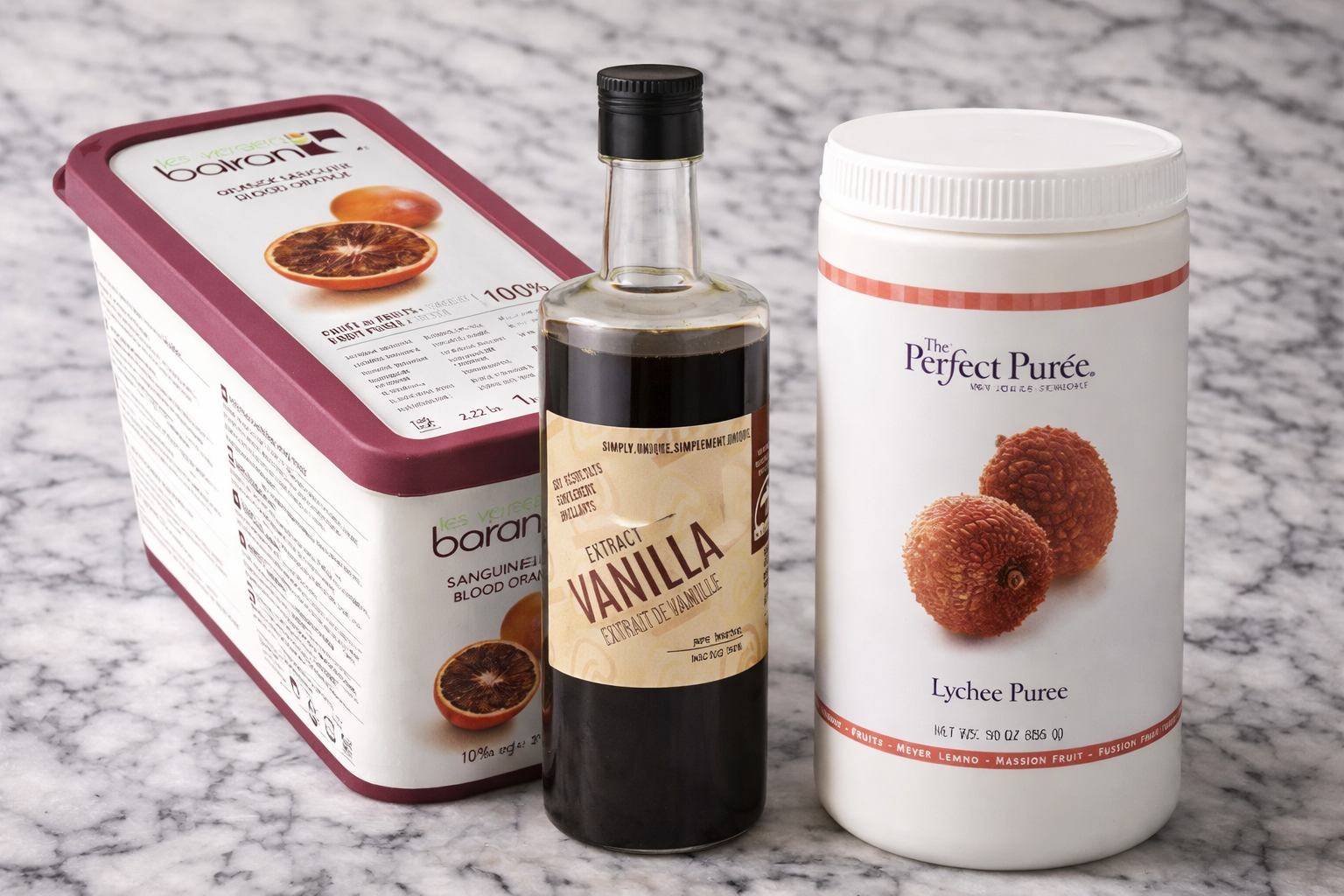
- Emulsified Vinaigrettes: Instead of just shaking oil and vinegar, use a high-quality puree or paste (like sundried tomato or olive tapenade) as an emulsifier. Whisk in your premium oil slowly to create a thick, creamy dressing that actually clings to your greens.
- Olive Oil Poaching: This is the ultimate way to cook frozen seafood that has been flash-frozen for peak quality. Submerge your fish in a bath of warm (not hot!) olive oil with aromatics like garlic and thyme. The result is a texture so buttery it’ll ruin regular poached fish for you forever.
- The Infusion: Take your "Workhorse" oil and gently warm it with lemon zest or chili flakes. Let it sit overnight, strain it, and you have a custom flavor-bomb ready for your next meal.
Why Shop The Onatru Kitchen?
At Onatru Foods, we don’t just sell food; we source the building blocks of great meals. We treat our pantry items with the same respect as our fresh cuts. Whether you’re looking to buy lobster meat online for a special occasion or just need the perfect tin of tomatoes, we’ve done the vetting for you.
Our specialty product sourcing ensures that every bottle, jar, and cut of meat meets the standards of a professional kitchen. We know that as a home chef or a restaurant buyer, you need reliability. That’s why our fresh seafood is cut-to-order and delivered next-day (Mon-Thurs), and our premium frozen products are flash-frozen to lock in that "just-caught" or "just-harvested" flavor.

Shop the Ingredients from Onatru
Ready to upgrade your pantry? We’ve got the goods and the deals to make it happen.
- Active Promo: Take $25 OFF your order of $175 or more. Use it to stock up on those high-end oils and specialty imports.
-
Shipping Made Simple:
- Dry Goods: Enjoy Free Ground Shipping on orders over $175.
-
Perishables: We ensure your proteins and cheeses arrive in perfect condition with insulated & ice-packed, leak-resistant packaging.
- Flat $39.95 for 2-Day Shipping.
- Flat $59.95 for Overnight Shipping.
- The Ultimate Perk: FREE SHIPPING on all orders over $350.
Whether you're a professional chef looking for a new supplier or a home enthusiast looking to master the art of the pantry, we're here to help you cook with confidence. Our nationwide delivery means the best of the world's kitchens is just a click away.
We’re working behind the scenes and cooking up something great : we’ll see you soon.
The Onatru Team


