Listen, we’ve all been there. It’s a Tuesday night, you’ve whipped up a quick pasta, and you reach into the refrigerator door for that familiar green cardboard tube. You shake it. Out comes a fine, white dust that smells vaguely of salt and... well, nothingness.
If you think that’s "Parmesan," I have some news for you: and your taste buds are about to file a formal complaint.
In the culinary world, there is "parmesan" (the generic, often wood-pulp-filled imitator) and then there is Parmigiano Reggiano. One is a condiment; the other is a 1,000-year-old masterpiece of Italian engineering, a cultural icon, and quite literally the "King of Cheeses."
At Onatru Foods, we don’t do "okay" ingredients. We do the stuff that makes a dinner party legendary. So, grab a glass of wine, and let’s deep-dive into what makes Parmigiano Reggiano the single most important ingredient in your pantry: and why that shaker bottle has been lying to you for decades.
The Law of the Land: What is Parmigiano Reggiano?
To understand what Parmigiano Reggiano is, you first have to understand the DOP (Denominazione di Origine Protetta). In English, that’s Protected Designation of Origin.
This isn't just Italian bureaucracy; it’s a legal shield that protects the heritage of the cheese. For a wheel to be stamped with the official Parmigiano Reggiano seal, it must be produced in a very specific corner of Northern Italy: the provinces of Parma, Reggio Emilia, Modena, and parts of Mantua and Bologna.
If it’s made in Wisconsin? Not Parmigiano Reggiano. If it’s made in Argentina? Not Parmigiano Reggiano.
Three Ingredients. That’s It.
The beauty of the King of Cheeses lies in its simplicity. By law, it can only contain three ingredients:
- Raw Cow’s Milk: Collected twice a day from cows that are fed only on local grass and hay. No silage, no fermented feeds, no junk.
- Salt: Mediterranean sea salt, used during the brining process.
- Rennet: A natural enzyme used to curdle the milk.
No preservatives. No anti-caking agents. No "cellulose" (which is a fancy word for wood pulp often found in those shaker bottles). When you buy a wedge from the Onatru collection, you are eating a product that is exactly the same as it was in the 13th century.

The Aging Process: From Milk to "Liquid Gold"
The magic happens in the aging rooms. After the cheese curds are lifted out of massive copper vats in linen cloths, they are placed into molds to form the iconic 80-pound wheels. They spend about 20 to 25 days submerged in a brine of sea salt, which allows the cheese to absorb salt and begin its long transformation.
Then, they sit. For a long time.
A wheel of Parmigiano Reggiano must be aged for a minimum of 12 months. At the 12-month mark, an expert from the Consortium visits the warehouse with a small hammer. They tap every single wheel. If it sounds "off": if there are air pockets or cracks inside: the wheel is rejected and the marks are scraped off the rind. Only the perfect wheels are allowed to continue.
The Age Brackets You Need to Know:
- 12–18 Months (Nuovo): It’s mild, milky, and has a slightly acidic "zing." Great for snacking or shaving over a light salad.
- 24 Months (Vecchio): This is the sweet spot. The texture is grainier, and the flavor moves into notes of melted butter, nuts, and pineapple. This is your all-purpose superstar for pasta and risotto.
- 36+ Months (Stravecchio): This is the "Extra Old" territory. It’s dry, crumbly, and packed with tyrosine crystals: those crunchy little white bits that people often mistake for salt. They aren't salt; they are crystallized proteins that signal a perfectly aged cheese.
Why the Shaker Bottle is Lying to You
Here is the truth: those pre-grated "parmesan" bottles are often filled with fillers to keep the cheese from clumping. They use the lowest quality cheese allowed by law, grate it until it loses all its aromatic oils, and then add cellulose to keep it shelf-stable.
When you grate fresh Parmigiano Reggiano, you are releasing volatile aromatic compounds that have been trapped in that wheel for years. The flavor is intense, savory (thanks to a massive hit of natural glutamate), and complex.
If you’re spending money on premium steaks or imported Italian tomatoes, why would you ruin the dish at the finish line with "cheese dust"?
The Chef’s Secret: Never Throw Away the Rind
In a professional kitchen, we view the rind of a Parmigiano Reggiano wheel as "kitchen gold."
Since the rind is just hardened cheese (no wax, no plastic), it is 100% edible and packed with flavor. When your wedge gets down to the end, don’t toss it. Throw that rind into:
- Minestrone or Tomato Soup: It adds a salty, savory depth that you can’t get from stock alone.
- Risotto: Let it simmer in the broth while you cook.
- Pasta Sauce: It acts as a natural emulsifier, helping the sauce cling to the noodles.
Just remember to fish it out before serving: or don't. The person who gets the softened, chewy rind in their bowl is usually the luckiest person at the table.
Culinary Applications: How to Use It Like a Pro
If you want to treat this ingredient with the respect it deserves, stop thinking of it as just a topping for spaghetti.
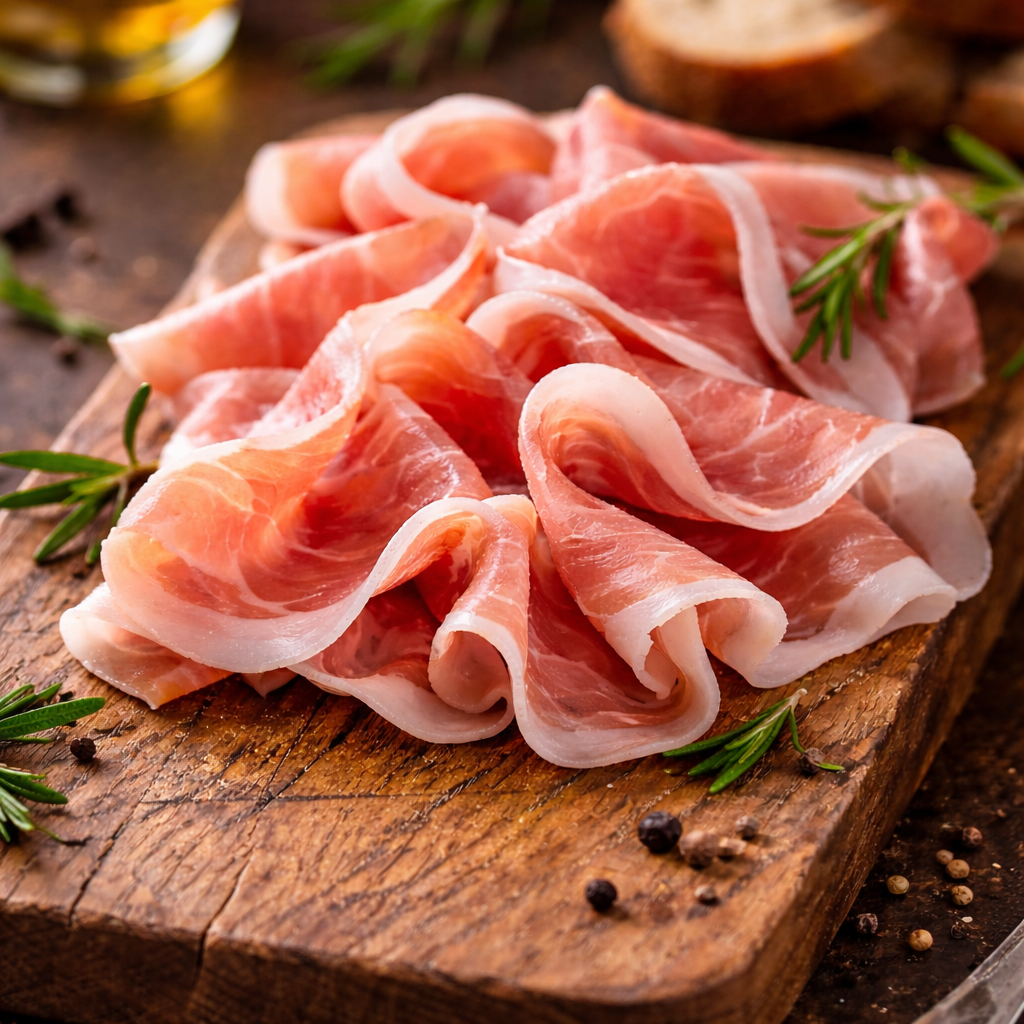
- The "Chunk" Method: Instead of slicing it with a knife, use a traditional almond-shaped cheese knife to "break" the cheese into chunks. This preserves the internal crystalline structure and gives you a better mouthfeel. Pair these chunks with a few drops of aged balsamic vinegar and some premium prosciutto.
- The Frico: Grate the cheese finely and bake small mounds on a parchment-lined sheet at 400°F until golden. Let them cool, and you have the world’s most sophisticated cheese crisp.
- The Emulsion: For a true Cacio e Pepe or Alfredo, use the finely grated cheese and whisk it into warm (not boiling!) pasta water to create a creamy, velvety sauce without needing any actual cream.

Buying Guidance: How to Spot the Real Deal
When you’re shopping: whether at a high-end grocer or browsing the Onatru Foods inventory: look for these three things:
- The Pin-Dot Writing: Every authentic wheel has the words "PARMIGIANO REGGIANO" poked into the rind in tiny pin-dots. If the rind is smooth, it’s an imitation.
- The DOP Seal: Look for the yellow and red sunburst logo.
- The Age: A reputable seller will always tell you if it's 18, 24, or 36 months aged.
At Onatru, we specialize in restaurant-quality imports. We treat our cheese like we treat our frozen seafood: with absolute precision. Our perishables are shipped in insulated, ice-packed containers to ensure they arrive at your door in peak condition, whether you're in New York or California.
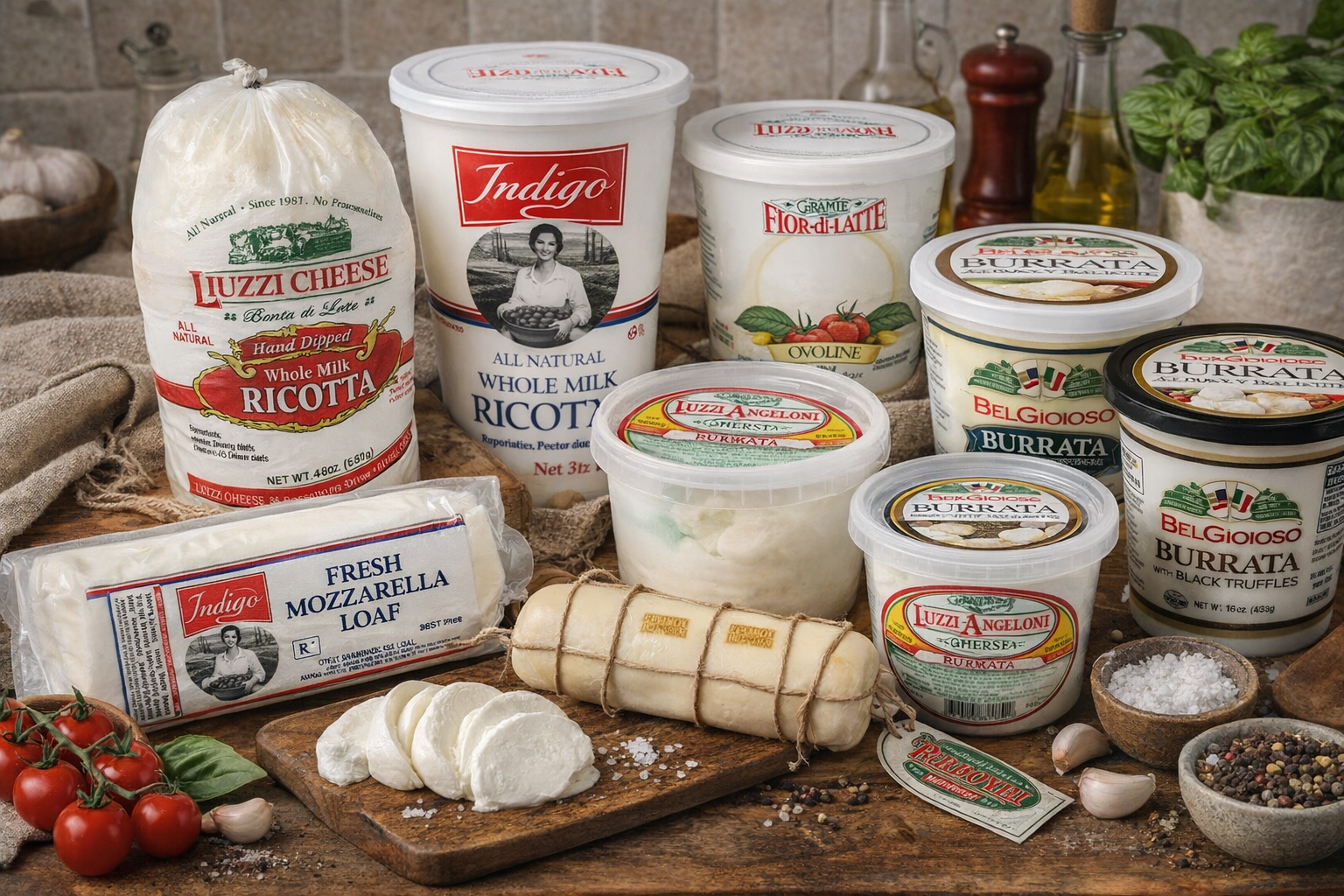
Shop the Ingredients from the Onatru Kitchen
Ready to upgrade your pantry and banish the shaker bottle forever?
Whether you are a professional chef looking for bulk wheels or a home enthusiast wanting the best for Sunday dinner, Onatru Foods has you covered. We deliver the highest tier of culinary imports nationwide, straight from our temperature-controlled facility to your kitchen.
Current Promotions:
- Save Big: Take $25 off your order when you spend $175 or more. It’s the perfect excuse to stock up on Bindi Italian sweets or a massive wedge of the King.
- Free Shipping: We offer Free 2nd Day Air Shipping on all perishable orders over $350.
Don't settle for "parmesan-flavored" fillers. Experience the real thing. Your risotto will thank you, your guests will notice the difference, and you’ll finally understand why they call it the King.
Browse our full collection of imported Italian specialties here and bring the taste of the Italian countryside to your table.
We’re working behind the scenes and cooking up something great : we’ll see you soon!
The Onatru Team