

Let’s be honest: most of what you’ve been told about "Parmesan" is a lie. If it comes out of a green plastic shaker or sits in a pre-shredded bag at the supermarket, it’s not just a pale imitation: it’s a culinary tragedy. In the professional kitchen, we don't call it Parmesan; we call it Parmigiano Reggiano, the "King of Cheeses." And like any royal, it has its secrets, its strict protocols, and a few scandals that the big-box retailers would rather you didn't think about while you’re tossing "wood pulp" (cellulose) onto your pasta.
At Onatru Foods, we’re obsessed with the real deal. We source the kind of restaurant-quality ingredients that usually require a secret handshake or a commercial license to acquire. Today, I’m pulling back the curtain on what makes a 40kg wheel of this Italian gold so special, and why getting it delivered directly to your doorstep from our specialized inventory is the only way to ensure you're actually eating the legend, not the myth.
The Law of the Land: What Is Parmigiano Reggiano, Really?
You might think "Parmigiano Reggiano" is just a fancy way of saying "Italian cheese," but in the eyes of the European Union, it’s a legally protected status (DOP - Denominazione di Origine Protetta). To wear the name, a wheel must be produced in a very specific corner of Northern Italy: Parma, Reggio Emilia, Modena, or parts of Mantua and Bologna.
If the cow grazed ten feet outside that boundary? It’s not Parmigiano Reggiano.
But it’s not just about geography; it’s about the soul of the product. By law, this cheese can only contain three ingredients: raw cow’s milk, salt, and rennet. That’s it. No preservatives, no colorings, and certainly no anti-clumping agents. Each wheel requires roughly 550 liters (about 145 gallons) of milk. When you buy a wedge, you aren’t just buying cheese; you’re buying the concentrated essence of the Italian countryside.

The Secret of the "Umami Crystals"
Have you ever bitten into a piece of aged Parmigiano and felt a slight "crunch"? Many people mistake these for salt deposits, but experts know better. Those tiny white spots are actually crystals of tyrosine: an amino acid that develops as the cheese’s proteins break down during the maturation process.
These crystals are the hallmark of high-quality, long-aged cheese. They are "umami bombs" that signal the cheese has been aged properly, usually for 24 months or more. Supermarket versions often skip this long maturation to turn a profit faster, resulting in a rubbery, one-dimensional flavor. When you source your speciality products from Onatru, you’re getting the stuff that’s had the luxury of time.
The Hierarchy of Age: Which One Do You Need?
In the professional world, we don't just ask for "Parmigiano." We ask for the age. Each stage of maturation offers a completely different flavor profile:
- 12–18 Months (Giovane): This is the "young" stuff. It’s mild, creamy, and smells of fresh milk and grass. It’s great for snacking or as an aperitif with a crisp white wine, but it lacks the punch needed for heavy cooking.
- 24 Months (Vecchio): This is the gold standard. It has achieved the perfect balance of sweet and savory, with the tyrosine crystals starting to make their presence known. This is what you want for your pasta and risottos.
- 36+ Months (Stravecchio): This is the connoisseur’s choice. It’s dry, crumbly, and intensely aromatic with notes of dried fruit and spices. It’s powerful enough to stand up to the boldest balsamic vinegars.
The "Red Cow" Secret: Vacca Rossa
Here is something the average grocery store clerk won’t tell you: not all Parmigiano Reggiano comes from the same cow. While most of it is made using the milk of Friesian cattle, the "Vacca Rossa" (Reggiana Red Cow) is the ancient breed that originally produced this cheese centuries ago.
The Red Cow produces less milk, but it’s much richer in protein and fat. This allows the cheese to be aged for 40 months or even longer without becoming bitter. It stays sweet and creamy even as it gets rock-hard. It’s rare, it’s expensive, and it’s the secret weapon of Michelin-starred chefs.
Pro Tip: Stop Cutting Your Cheese
If you’re using a standard kitchen knife to slice your Parmigiano Reggiano into perfect squares, you’re doing it wrong. Experts use a specialized almond-shaped knife to "crack" the cheese. By prying it apart along its natural grain, you preserve the internal structure and expose more surface area to your palate. This releases the aromas far more effectively than a clean cut. For the best experience, break off a rough chunk, let it come to room temperature, and experience the flavor as it was intended.
Why Buying Online is Actually the Superior Choice
You might think that cheese is something you need to see in person, but in the case of premium imports, the opposite is true. Here is why buying your Parmigiano Reggiano online from a specialist like Onatru Foods is the smarter move:
1. Temperature-Controlled Integrity
Most grocery store cheese has been sitting in a display case under harsh fluorescent lights, wrapped in cheap plastic that suffocates the cheese and makes the fats go rancid. At Onatru, we treat our inventory with the respect it deserves. Our products are kept in climate-controlled environments and shipped with expert precision.
2. Access to Professional Cuts
Standard delis often carry one type of Parmigiano (if you're lucky). Because we cater to both individual foodies and wholesale pallet buyers, we carry the high-end Maturation labels and specific mountain-area productions that you simply won't find at a local chain.
3. Reliable Shipping (The Onatru Way)
We understand the anxiety of ordering perishables. That’s why we use insulated, leak-resistant packaging and ice packs to ensure your cheese arrives in pristine condition. Whether you’re ordering a small wedge or a massive amount of fresh beef and proteins for a banquet, we treat every order like it’s headed to a five-star restaurant.

Don’t Throw Away the Rind!
This is perhaps the biggest "secret" of the professional kitchen. The rind of a wheel of Parmigiano Reggiano is 100% edible and 100% flavor. It’s essentially concentrated cheese. When you get to the end of your wedge, toss that rind into a zip-top bag and keep it in your freezer.
The next time you make a minestrone, a tomato sauce, or a beef stew, drop the rind in while it simmers. It won't melt completely, but it will infuse the liquid with an incredible depth of savory umami that salt alone can't replicate. Just remember to fish it out before serving: or don't, if you want the "chef’s snack" for yourself.
Elevating Your Charcuterie
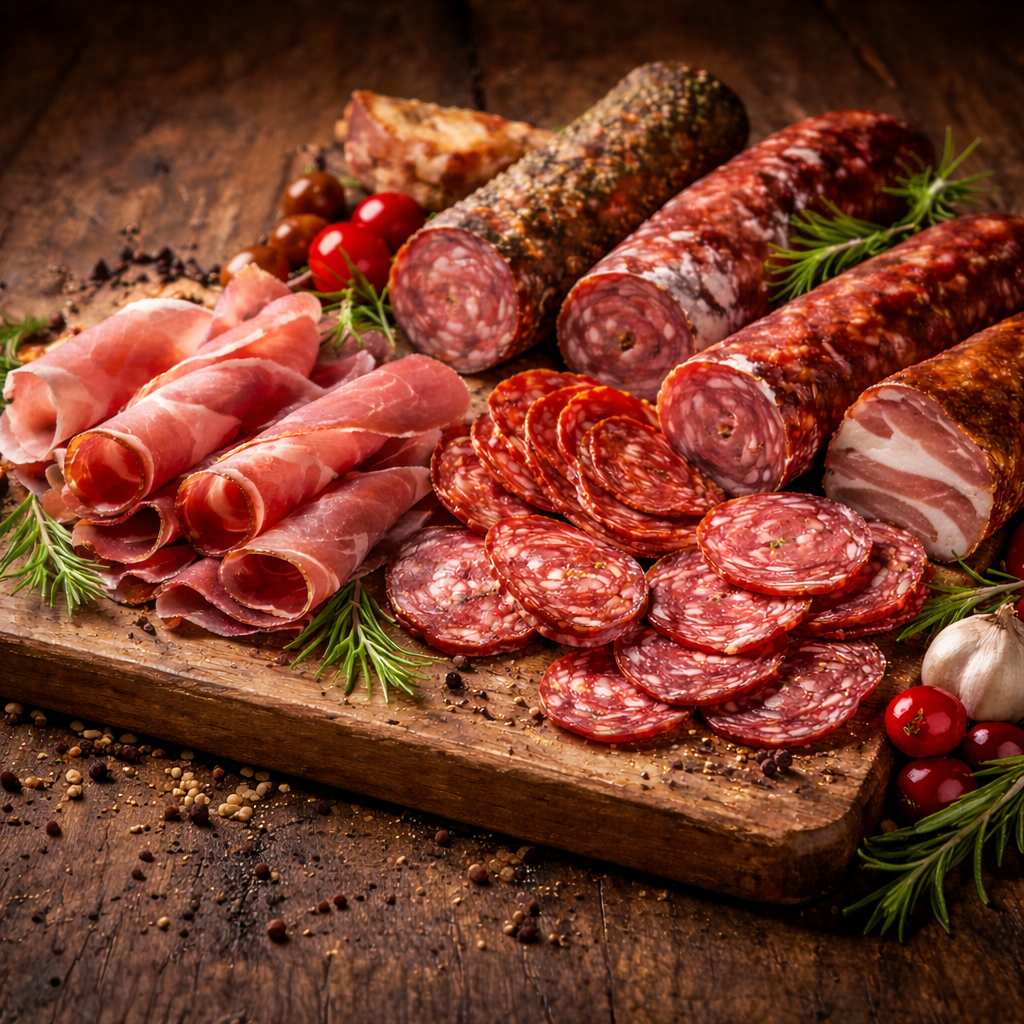
If you're building a board, Parmigiano Reggiano is a non-negotiable anchor. Pair it with premium prosciutto or other imported cured meats for a classic Italian pairing. Add a drizzle of high-quality honey or a traditional balsamic vinegar from Modena, and you’ve moved from a simple snack to a gourmet experience.
Shop the Ingredients from Onatru
Ready to taste the difference that authenticity makes? At Onatru Foods, we don't just sell ingredients; we source the building blocks of a better meal. From our freezer-to-door seafood to our elite Italian imports, we’re committed to bringing restaurant-quality standards to your home kitchen.
Current Promos to Sweeten the Deal:
- $25 Off: Get $25 off your order of $175 or more. Use it to stock up on the essentials.
- Free Shipping: We offer Free 2nd Day Air shipping on all perishable orders over $350. It’s the perfect excuse to fill your pantry and your freezer with the best the world has to offer.
Whether you're looking for that perfect wheel of cheese, authentic tomatoes, or even imported Italian sweets, we have you covered. Explore our full collection and see why the best chefs trust Onatru for their most important ingredients.
We’re working behind the scenes and cooking up something great : we’ll see you soon.
The Onatru Team
CEO, Onatru Foods


