

If you’ve ever sat in a high-end Italian trattoria and watched a waiter shave translucent, nutty ribbons of cheese over your carbonara, you know that not all "parmesan" is created equal. In fact, in the world of professional kitchens, calling the stuff in the green shaker bottle "cheese" is a culinary felony.
Welcome to the big leagues. Today, we’re doing a deep dive into the "King of Cheeses": Parmigiano Reggiano. This isn't just a topping; it’s a cultural institution, a legal masterpiece, and the secret weapon of every chef worth their salt. If you want to master authentic Italian cooking, you need to understand exactly what you’re holding when you pick up a wedge of the real deal.
The Pedigree of the King: What is Parmigiano Reggiano?
Let’s clear the air immediately: "Parmesan" is a generic term used for any hard, cow’s milk cheese inspired by the Italian original. Parmigiano Reggiano is a Protected Designation of Origin (DOP) product. This means that by law, it can only be produced in a very specific corner of Northern Italy: specifically the provinces of Parma, Reggio Emilia, Modena, and parts of Mantua and Bologna.
Why the strict geography? It’s all about the terroir. The cows that provide the milk must graze on local forage. No silage, no fermented feeds, and definitely no shortcuts. The bacteria present in the local hay and air are what give the cheese its distinctive, complex flavor profile. When you buy specialty imports from Onatru Foods, you aren't just buying food; you're buying a piece of Italian geography.
Three Ingredients, Centuries of Tradition
You’d think something this complex would have a list of additives as long as a grocery receipt. Nope. Parmigiano Reggiano is made from just three things:
- Milk: Raw cow’s milk, delivered twice daily to the dairy.
- Salt: Used during the brining process to preserve and flavor.
- Rennet: A natural enzyme that curdles the milk.
That’s it. No preservatives, no anti-caking agents, and no fillers. It’s one of the cleanest premium culinary ingredients you can stock in your pantry.
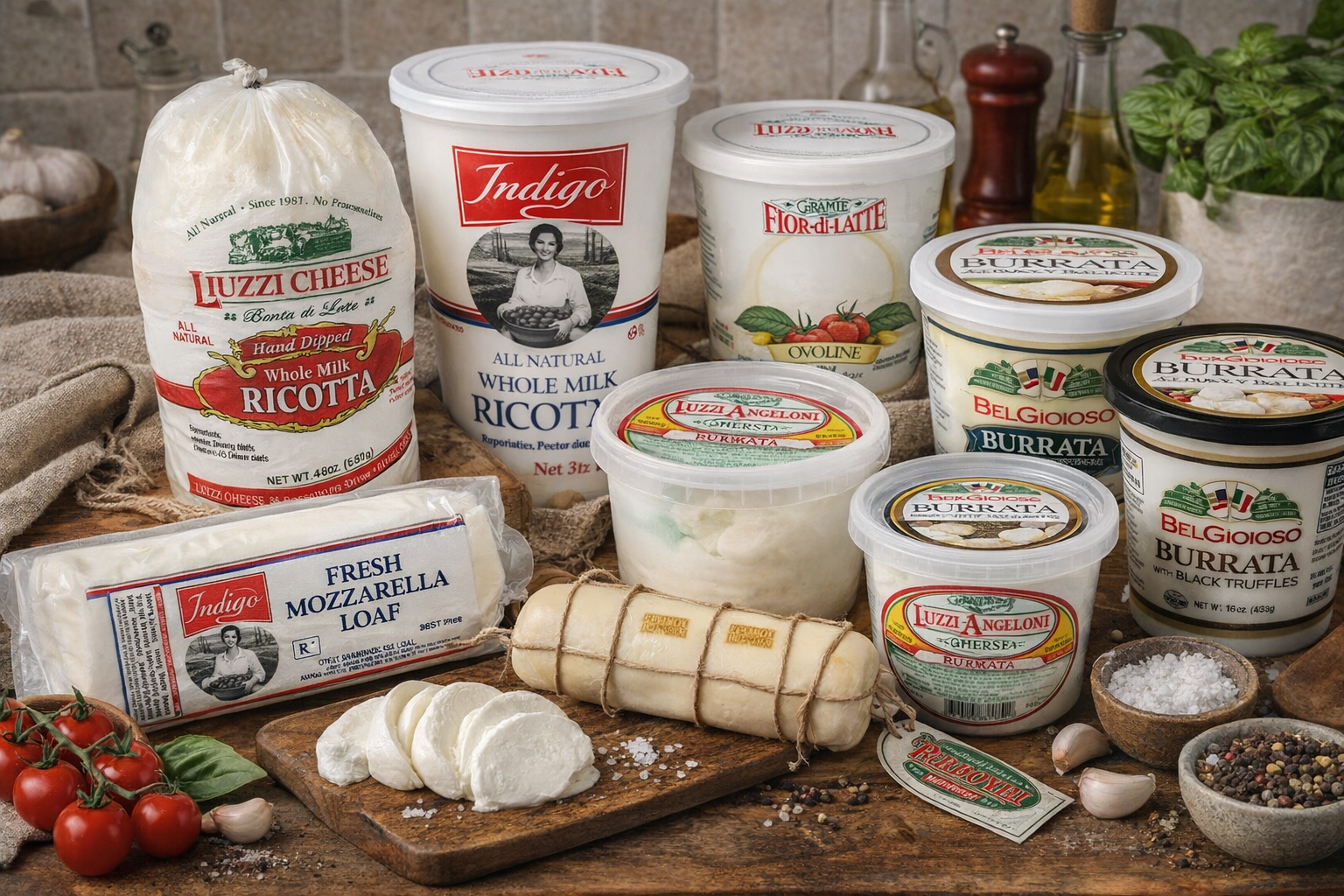
The Aging Spectrum: From Milk to Masterpiece
Time is the most expensive ingredient in a wheel of Parmigiano Reggiano. As the cheese sits on wooden shelves in temperature-controlled aging rooms, it undergoes a chemical transformation called proteolysis. Proteins break down into amino acids, creating that signature crumbly texture and those delightful little crunchy bits (we’ll get to those in a second).
Here is the breakdown of how age affects the flavor:
- 12-18 Months (Nuovo): The "young" stuff. It’s still relatively soft, creamy, and milky. You’ll taste notes of yogurt and fresh fruit. This is great for an aperitif paired with a crisp sparkling wine.
- 24 Months (Vecchio): The gold standard. This is what most chefs reach for. It strikes a perfect balance between sweet and savory, with notes of melted butter and toasted nuts. It’s soluble, grainy, and perfect for nearly any pasta dish.
- 36+ Months (Stravecchio): This is for the serious aficionados. The cheese becomes drier, more crumbly, and incredibly intense. Think notes of spices, dried fruit, and a strong beef-broth savory finish.
What are the "Crunchy Bits"?
If you find white, crunchy crystals in your cheese, don't panic: it’s not salt. Those are Tyrosine crystals. They are a sign of a well-aged, high-quality cheese. They indicate that the proteins have broken down properly, resulting in a deeper, more Umami-forward flavor. If your cheese has them, you’ve hit the jackpot.

Pro Techniques: Respecting the Rind and the Wedge
If you're using a microplane to turn your Parmigiano into dust, you're doing it right: but that’s just the beginning. To truly cook like a professional, you need to treat this ingredient with the respect it deserves.
1. Never Throw Away the Rind
The rind of a Parmigiano Reggiano wheel is perfectly edible, though it’s too hard to chew. Instead, toss it into your next minestrone, ragù, or risotto. As it simmers, the rind softens and releases a massive amount of glutamates (natural flavor enhancers) into your sauce. It adds a luxurious body and a savory depth that you simply cannot replicate with salt alone.
2. Room Temperature is Mandatory
Like a fine wine or a premium wagyu steak, Parmigiano Reggiano should never be eaten straight from the fridge. Let your wedge sit out for 30–60 minutes before serving. This allows the fats to soften and the volatile aromas to wake up. You’ll notice a massive difference in the "nose" of the cheese.
3. The "Chunk" Method
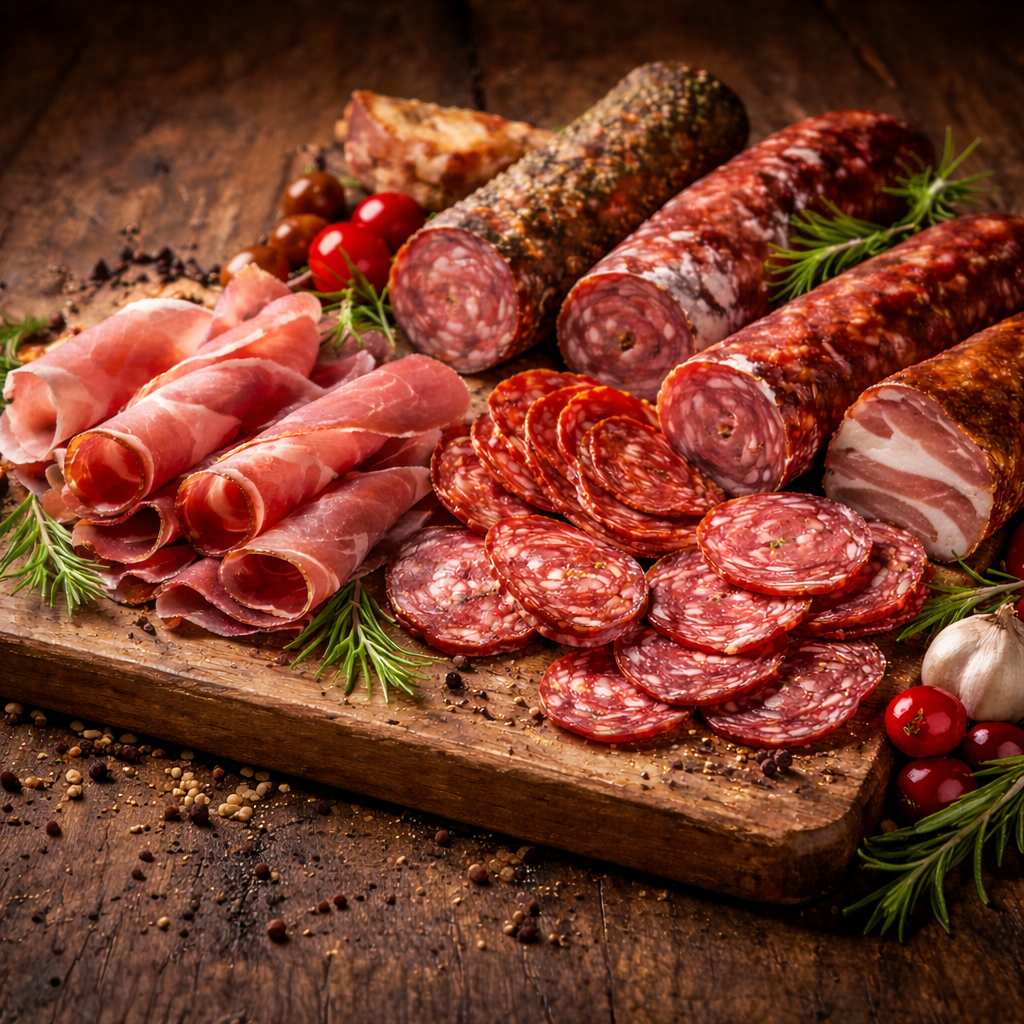
While grating is standard for pasta, try "chunking" the cheese for a charcuterie board. Use a traditional almond-shaped Italian cheese knife to pry off irregular nuggets. This preserves the natural grain of the cheese and provides a much better mouthfeel than a clean slice.
Spotting the Imposters: Buying Guidance
In a world full of "Parmesan-style" wedges, how do you ensure you’re getting the real deal? Look for the markings. Every authentic wheel of Parmigiano Reggiano is laser-inscribed with a pin-dot pattern on the rind that spells out its name. If you don't see those dots on the rind of the wedge you're buying, it’s not the King.
At Onatru Foods, we specialize in sourcing restaurant-quality products that usually require a commercial license to acquire. Whether you are a home chef looking to elevate your Sunday dinner or a professional buyer stocking a pantry, quality is non-negotiable.
Why Buy from Onatru?
We understand that the logistics of getting premium, perishable Italian imports can be a headache. That’s why we’ve streamlined the process. We don't just ship food; we ship culinary potential.
- Expertly Handled: Our products are preserved at their peak and shipped in insulated, leak-resistant packaging.
- Nationwide Delivery: We bring the flavors of Northern Italy directly to your door, coast-to-coast.
- The Onatru Kitchen Standard: We only stock what we would use in our own kitchens.
Current Promotions
To help you stock your kitchen with the best, we’re currently offering:
- $25 OFF orders of $175 or more.
- FREE 2nd Day Air Shipping on all perishable orders over $350.
Whether you're grabbing a massive wedge of Parmigiano or pairing it with our imported cured meats and seafood bundles, these deals make it easier to justify that professional-grade pantry upgrade.
Pairing Your Parmigiano
The beauty of this cheese lies in its versatility. While it’s a staple in pasta and risotto, it also plays well with others on a tasting board.
- With Fruit: Try it with fresh pears, grapes, or dried figs. The acidity of the fruit cuts through the richness of the cheese.
- With Honey & Vinegar: A few drops of high-quality Aceto Balsamico Tradizionale (Traditional Balsamic Vinegar) or a drizzle of chestnut honey will transform a simple chunk of 36-month cheese into a world-class dessert.
- With Wine: For younger cheeses, go with a crisp Prosecco. For older, more intense wedges, reach for a bold red like a Barolo or a Brunello di Montalcino.
The Onatru Kitchen: Your Hub for Culinary Excellence
Mastering authentic Italian cooking starts with mastering your ingredients. When you stop looking at Parmigiano Reggiano as just "cheese" and start seeing it as a tool for texture, salinity, and umami, your cooking will change forever.
Don't settle for the grocery store basics. Explore our full range of specialty imports and see why top chefs rely on Onatru Foods for their most critical ingredients. From the dairy to your doorstep, we’re committed to providing the reliability and quality your kitchen deserves.
Shop the Ingredients from Onatru
Ready to start your next culinary masterpiece? Head over to Onatru.com to browse our selection of premium cheeses, meats, and pantry staples. Remember, your cooking is only as good as your ingredients: so make them count.
We’re working behind the scenes and cooking up something great ( we’ll see you soon!)


