

If your experience with "Parmesan" cheese involves a green shaker bottle and a shelf-life that outlasts your car lease, we need to have a serious talk. Welcome to the big leagues. In the professional kitchen, Parmigiano Reggiano isn’t just a topping; it is a foundational pillar of flavor. Often referred to as the "King of Cheeses," this Italian masterpiece is a product of 900 years of tradition, strict geography, and a level of quality control that would make a Swiss watchmaker sweat.
At Onatru Foods, we don’t just sell ingredients; we source tools for culinary success. Whether you’re a home chef looking to master authentic Italian pasta dishes or a restaurant buyer seeking consistency, understanding the nuances of Italian imports is your first step toward greatness.
In this guide, we’re doing a deep dive into the legend of the King, how to spot a fake, and why your pantry deserves the real deal. Plus, because we want your kitchen fully stocked, remember that you can take $25 off orders of $175+ and enjoy Free 2nd Day Air shipping on perishable orders over $350.
What is Parmigiano Reggiano, Really?
To understand the value of this import, you have to understand its constraints. You can’t just make Parmigiano Reggiano anywhere. By law: specifically the Protected Designation of Origin (PDO) or Denominazione di Origine Protetta (DOP): it can only be produced in a very specific corner of Northern Italy: the provinces of Parma, Reggio Emilia, Modena, and parts of Mantua and Bologna.
Why does the dirt matter? Because the cows matter. The cows that provide the milk for the King are fed a strict diet of locally grown forage. Silage (fermented feed) is strictly forbidden. This isn't just bureaucratic red tape; it’s about the enzymes and bacterial flora that give the cheese its unique ability to age for years without spoiling.
The Power of Three
True Parmigiano Reggiano contains exactly three ingredients:
- Milk: Raw, unpasteurized, and delivered twice daily.
- Salt: Used in the brining process.
- Rennet: A natural enzyme used to curdle the milk.
That’s it. No anti-caking agents, no cellulose, no "natural flavors." Each massive 80-pound wheel requires roughly 550 liters of milk. When you buy a wedge from Onatru, you aren't just buying cheese; you’re buying a concentrated essence of the Italian countryside.

Decoding the Rind: How to Spot a Fake
In a world full of "Parmesan-style" imposters, the rind is your certificate of authenticity. If you’re paying for a premium import, you need to know how to read the paperwork etched into the crust.
- The Pin-Dot Pattern: Every single wheel has the words "Parmigiano Reggiano" repeated in a pin-dot pattern across the entire rind. If your wedge doesn't have these dots, it’s not the King.
- The DOP Seal: Look for the yellow and red circular seal. This is the legal guarantee that the cheese was made under the watchful eye of the Consortium.
- The Date and Dairy ID: Each wheel is stamped with the month and year of production, along with the specific ID number of the dairy.
If you ever see a wheel with parallel lines carved around the middle, that’s a Mezzano grade. It passed the flavor test but had minor structural flaws. It’s still delicious, but for the ultimate charcuterie experience, you want the top-tier "Extra" or "Export" designations.
The Aging Process: From 12 to 40 Months
Time is the most expensive ingredient in any specialty import. Parmigiano Reggiano must age for a minimum of 12 months, but the magic usually happens much later.
- 12-18 Months (Nuovo): Mild, creamy, and slightly acidic. Perfect for snacking or shaving over a salad.
- 24 Months (Vecchio): This is the "Gold Standard." It develops those crunchable tyrosine crystals (the little white dots) and a nutty, savory profile.
- 36+ Months (Stravecchio): Dry, intense, and crumbly. This is a "meditation cheese," best enjoyed in small chunks with a few drops of traditional balsamic vinegar.
For a deeper look at the specifics, check out our dedicated post: The King of Cheeses: What is Parmigiano Reggiano?.
Professional Techniques: More Than Just a Grater
If you’re only using Parmigiano Reggiano to top spaghetti, you’re using 10% of its potential. Here is how professional chefs maximize this investment:
1. The Rind is Liquid Gold
Never, and I mean never, throw away the rind. Once you’ve reached the end of your wedge, toss the rind into your next minestrone, tomato sauce, or risotto. As it simmers, it releases umami and a subtle silkiness that salt alone cannot replicate. It’s the secret behind the best authentic Italian dinner at home.
2. Temperature Matters
Don't serve your cheese straight from the fridge. Like a fine wine or a premium wagyu steak, Parmigiano Reggiano needs to breathe. Let it sit at room temperature for at least 30 minutes before serving. The fats will soften, and the aroma will bloom.
3. The "Chunk" over the "Grate"
While a Microplane is great for a snowy finish, try breaking the cheese into jagged chunks using a small, almond-shaped knife. This preserves the internal crystalline structure and provides a much more interesting texture for a perfect cheese board.
Succeeding with the Broader World of Italian Imports
Parmigiano Reggiano is the captain of the team, but it needs a solid supporting cast. To truly succeed with Italian ingredients, you need to understand the synergy between imports.
- The Fat: Pair your cheese with the best Italian olive oils for cooking. A peppery Sicilian oil provides the perfect counterpoint to the saltiness of the cheese.
- The Acid: Authentic imported tomato products have a natural sweetness that cuts through the richness of the dairy.
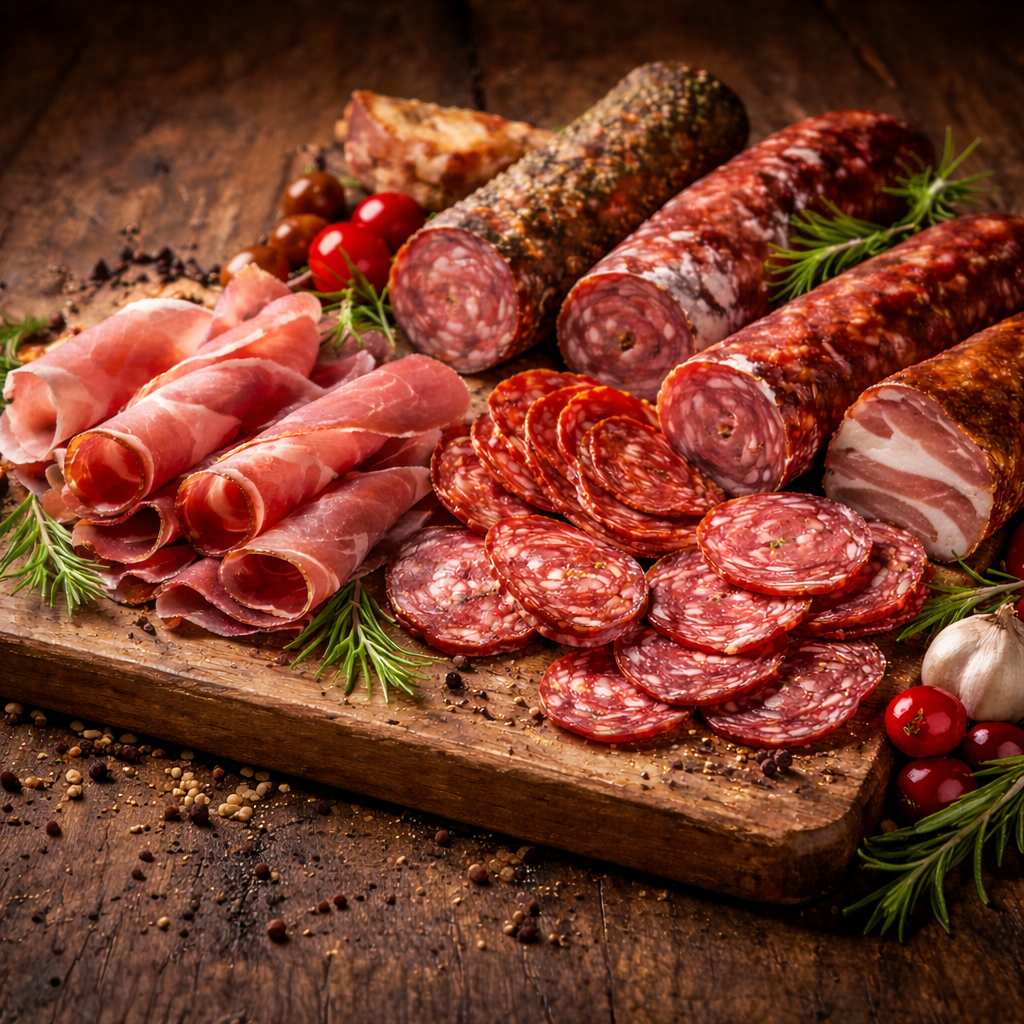
- The Protein: No board is complete without high-quality cured meats. Prosciutto di Parma and Parmigiano Reggiano are regional siblings: they were literally made to be eaten together.

Buying Guidance: Freshness and Logistics
When you’re buying specialty imports online, the vendor’s logistics are just as important as the producer’s technique. At Onatru Foods, we specialize in restaurant-quality sourcing. We treat our cheese, frozen seafood, and fresh beef with the same level of respect.
Storage 101
Once you receive your Parmigiano Reggiano from Onatru, keep it in the refrigerator at 4–8°C (39–46°F). Avoid plastic wrap if possible; it can make the cheese "sweat." Instead, use parchment paper or a specialized cheese bag, then wrap that in a layer of foil. This allows the cheese to breathe while preventing it from absorbing the odors of that leftover onion in your crisper drawer.
Why Onatru?
We bridge the gap between the producer in Emilia-Romagna and your kitchen in the U.S. Our shipping is designed for reliability:
- Nationwide Delivery: We bring the best of the world to your door.
- Insulated Packaging: Perishables are shipped with dry ice or gel packs in leak-resistant, insulated containers.
- Chef-Curated: We only stock what we would serve in our own kitchens.

Shop the Ingredients from Onatru
Ready to elevate your culinary game? Whether you’re preparing a decadent seafood pasta night or building the ultimate appetizer tray, the quality of your ingredients is your only limit.
Don't forget our current promotions to help you stock your pantry like a pro:
- $25 OFF orders of $175 or more.
- FREE 2nd Day Air Shipping on all perishable orders over $350.
From the hills of Italy to the docks where we source our premium seafood, Onatru Foods is committed to excellence. Browse our full collection of imported staples and find the inspiration for your next masterpiece.
We’re working behind the scenes and cooking up something great : we’ll see you soon.
The Onatru Team


