

Last Updated: November 26, 2026
Quick Summary
To use saffron threads, bloom them in a warm liquid for 10 to 20 minutes until it turns deep golden-orange, then add both the liquid and threads to your dish. A standard pinch of about 15 to 20 threads suits a dish serving four to six people.
- Warm the liquid but do not boil it, since boiling can dull the aroma.
- Crush threads lightly or toast them 20-30 seconds over low heat to speed blooming.
- For rice, add bloomed saffron about halfway through cooking and stir once gently.
- Make saffron tea by steeping 8-10 threads in hot water for 5 to 10 minutes.
- When doubling a recipe, increase saffron by half rather than doubling it.
Table of Contents
- Why Saffron Threads Reward Careful Handling
- How to Bloom Saffron Threads Before Cooking
- How Much Saffron to Use in Cooking
- How to Use Saffron Threads in Rice
- How to Use Saffron Threads in Tea
- Best Practices for Blooming Saffron
- Troubleshooting Flavor, Color, and Common Mistakes
- Ordering Saffron and Pantry Staples for Your Next Dinner
- Frequently Asked Questions
Why Saffron Threads Reward Careful Handling
Saffron threads are the dried stigmas of the crocus flower, and they are among the most expensive spices sold by weight. That price is exactly why technique matters. A careless pinch wastes money.
Here is the core idea this guide builds on: saffron releases its color and flavor into liquid, not into dry heat. Threads dropped straight into a dry pan give you little. Threads bloomed in warm liquid give you everything.
That single difference explains most failed saffron dishes. It also explains why two cooks using the same jar can get wildly different results.
Below, we cover blooming, measuring, crushing, and the recipes where saffron earns its keep. You will also get a troubleshooting list for the batch that turns out pale or bitter.
How to Bloom Saffron Threads Before Cooking
To bloom saffron threads, steep them in a warm liquid for 10 to 20 minutes until the liquid turns deep golden-orange, then add both the liquid and the threads to your dish. Blooming is the single step that separates vivid saffron rice from a faintly yellow one.
The word "bloom" simply means letting the threads open up and release their color. Think of it like steeping tea. The spice needs time and warmth, not heat.
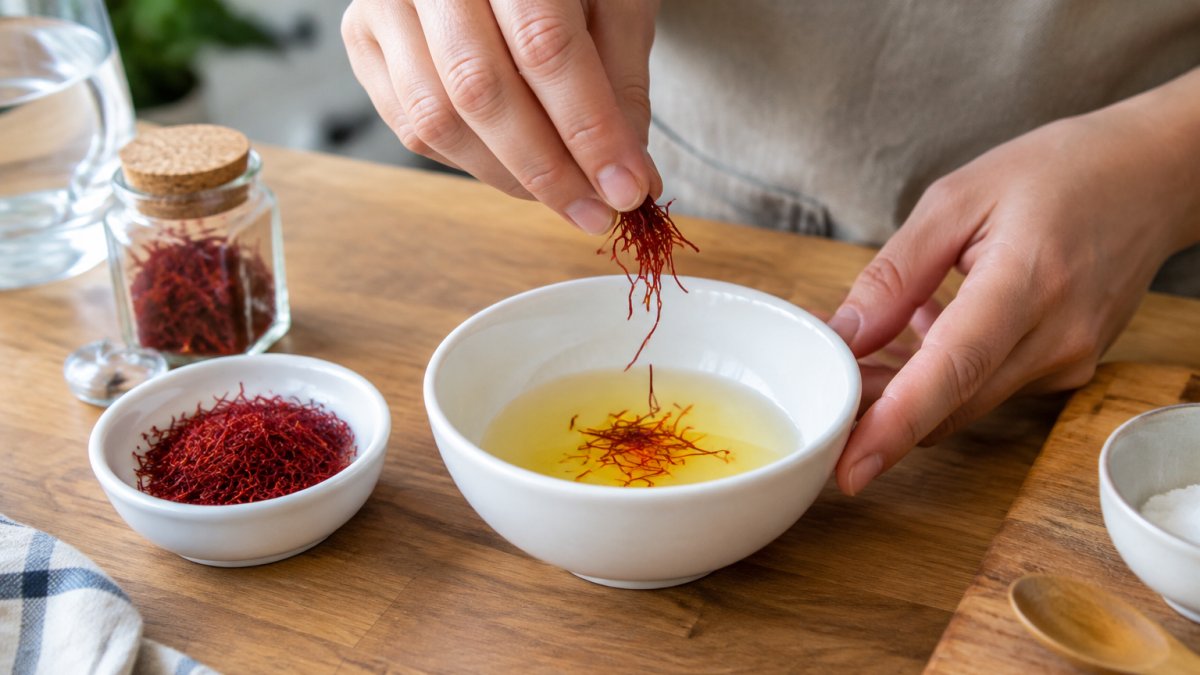
Steeping in Warm Water, Broth, or Milk
Warm water is the neutral choice. It lets the saffron's floral, earthy aroma come through without competing flavors.
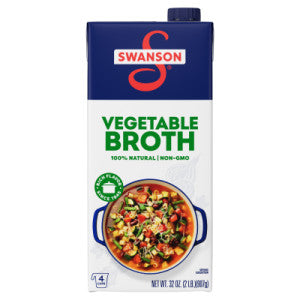
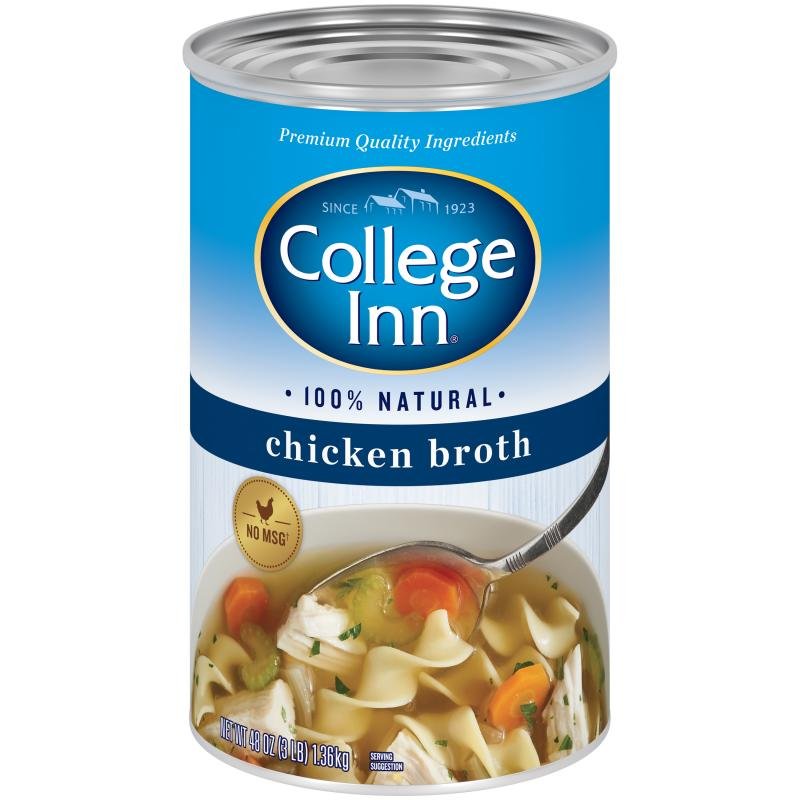
Broth adds depth. A vegetable or chicken broth carries saffron beautifully into soups, stews, and rice. If you are building a savory dish, steeping in the same liquid the recipe calls for is the smartest move. You can shop vegetable broth or pick up chicken broth to have on hand for exactly this.
Milk and rosewater suit desserts. Saffron milk, a warm drink of milk steeped with threads and a little sweetener, is a classic in many kitchens. Rosewater pushes the floral note further.
A few rules apply to all three:
- Warm the liquid, do not boil it. Boiling can dull the aroma.
- Use a small bowl so the threads stay submerged.
- Keep the steeping time to 10-20 minutes.
- Add the liquid and the threads together. Never strain the threads out.
Crushing, Grinding, and Toasting Threads
Crushing is optional but useful. A quick pinch between your fingers or a few turns with a mortar and pestle breaks the threads open and speeds up blooming. Grinding to a powder works too, though ground saffron loses aroma faster once exposed to air.
Toasting is the step most people skip, and it is worth trying once. Warm the threads in a dry pan over low heat for 20-30 seconds, just until fragrant. Then crush and bloom them. The aroma sharpens. Watch out: keep the toasting brief, because the threads can scorch and turn bitter with too much heat.
How Much Saffron to Use in Cooking
A standard pinch of saffron is about 15 to 20 threads, which suits a dish serving four to six people. For a pot of rice for four, that pinch is plenty. Saffron is potent, and more is not better.
Thread counts are useful because most home cooks buy threads, not powder. But threads vary in size, so it helps to know the weight they represent.
Use these starting points:
- Rice or paella for four: one generous pinch, about 15-20 threads, or roughly 0.05-0.1 grams
- Soup or stew for six: one pinch, bloomed in a ladle of the hot broth
- Saffron milk or tea for two: 8-10 threads
- Dessert custards: 10-12 threads per batch
- A single serving of rice or grains: 3-5 threads, bloomed in a tablespoon of warm liquid
Scaling up is where home cooks get into trouble. Doubling a recipe does not mean doubling the saffron. The flavor intensifies faster than the volume grows.
A common mistake is adding saffron late and hoping it catches up. It will not. Saffron needs steeping time, so build it into the front of your cooking, not the end.
Watch out: if you are cooking for a crowd and tempted to triple the saffron, bloom the larger amount in proportionally more liquid and add it in stages, tasting between additions.
Use these starting points to measure saffron by the pinch, the thread count, or the gram.
| Dish | Amount of saffron | Note |
|---|---|---|
| Rice or paella for four | 15-20 threads, about 0.05-0.1 grams | One generous pinch |
| Soup or stew for six | One pinch | Bloom in a ladle of hot broth |
| Saffron milk or tea for two | 8-10 threads | Steep in hot, not boiling, liquid |
| Dessert custards | 10-12 threads per batch | Bloom before adding |
| Single serving of rice or grains | 3-5 threads | Bloom in a tablespoon of warm liquid |
| Recipe doubled to eight servings | 22-25 threads | Increase by half, not double |
Saffron thread amounts by dish
How to Use Saffron Threads in Rice
The best way to use saffron threads in rice is to bloom a pinch in warm water or broth, then stir the whole mixture into the pot once the rice is partially cooked. This gives you even color and a clean floral note without a bitter edge.
Here is the method we recommend:
- Bloom 15-20 threads in half a cup of warm broth for 15 minutes.
- Cook your rice as usual, using slightly less liquid to account for the saffron mixture.
- Add the bloomed saffron and liquid about halfway through cooking.
- Stir once, gently, so the color streaks rather than blends.
- Cover and finish cooking. Let it rest five minutes before serving.
Risotto follows the same logic. Stir the bloomed saffron in near the end of the stirring, when the rice is nearly done. Paella is the exception: there, the saffron goes in early with the broth so the whole pan takes on color.
How to Use Saffron Threads in Tea
Saffron tea is made by steeping 8-10 threads in hot, not boiling, water for 5 to 10 minutes, then adding honey or a slice of lemon. It is a gentle, aromatic drink with a warm floral taste.
Keep the water below a boil. Boiling water drives off the aroma you paid for. A small teapot or a covered cup works best because it holds the steam and the scent in.
For saffron milk, warm whole milk gently, add the threads, and let it steep 10 minutes off the heat. Sweeten to taste. Some cooks add a pinch of cardamom or a drop of rosewater. Both work well with saffron's floral side.
Best Practices for Blooming Saffron
Follow these habits and your saffron will perform consistently:
- Bloom before you cook. Always steep first, even for five minutes.
- Use warm, never boiling, liquid. Heat coaxes out color; boiling flattens aroma.
- Keep the bowl small. A wide bowl leaves threads stranded above the liquid.
- Crush lightly for faster release. A few pinches is enough.
- Add liquid and threads together. The threads hold flavor, so keep them in the dish.
- Store the jar sealed and dark. Light and air can fade saffron over time.
- Buy threads, not powder, when you can. Whole threads are easier to check for quality.
One more: taste your bloomed liquid before it goes in the pot. A quick sip tells you whether the batch is strong or weak, and that lets you adjust before the whole dish is committed.
Troubleshooting Flavor, Color, and Common Mistakes
Most saffron failures trace back to one of four causes: the threads were not bloomed long enough, the liquid was too hot or too cool, too much saffron went in, or the saffron itself was old. Working backward from the symptom to the cause is faster than guessing.
Why did my saffron rice turn out pale? The threads were not bloomed long enough, or the liquid was too cool. Saffron releases its water-soluble color compounds slowly, and cool liquid slows that release further.
Why does my saffron taste bitter? Too much saffron, or threads that were toasted past the point of fragrant. Bitterness comes from over-extraction and from scorched threads.
Why does the color look orange-brown instead of golden? Over-steeping or too many threads. Saffron gives a golden hue with a light hand. Heavy doses push it toward brown.
Why can I barely taste it? Old saffron. The spice fades with age and poor storage. Fresh threads smell sweet and hay-like when you open the jar.
A few more fixes worth knowing:
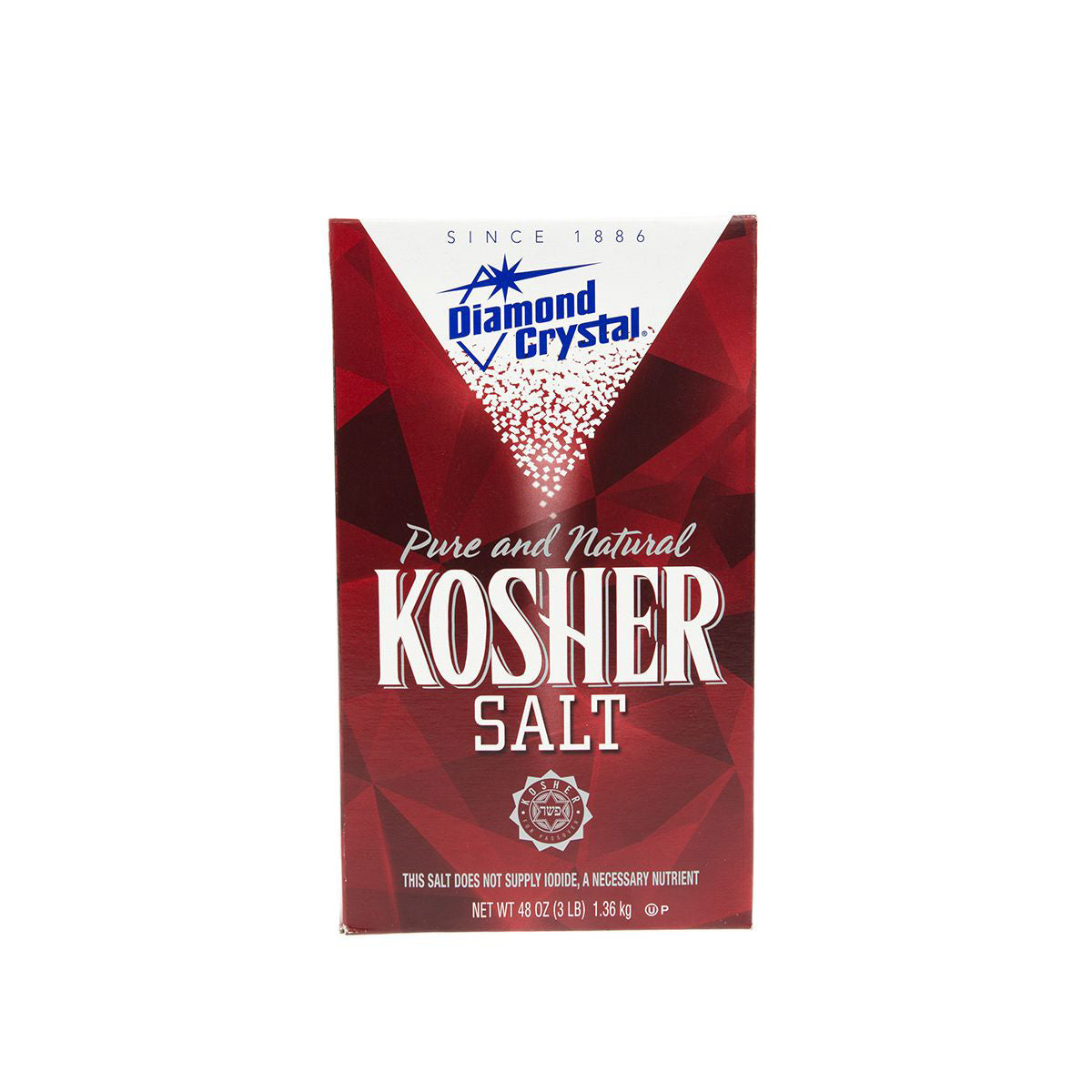
- If a dish tastes flat, add a pinch of salt rather than more saffron. Salt lifts the floral note. A box of kosher salt belongs next to the saffron jar for exactly this reason.
- If the color is uneven, stir once and stop. Over-stirring breaks the threads and muddies the look.
- If the aroma vanishes, your cooking liquid was too hot. Lower the heat next time.
- If the threads float and never seem to soften, the liquid was not warm enough or the bowl was too wide. Use a small bowl and warm, not hot, liquid so the threads stay submerged.
- If the dish tastes metallic or soapy, the saffron may have been stored next to strong spices or in a humid cabinet. Airtight, dark, and cool is the storage standard.
Watch out: do not try to rescue a weak saffron dish by stirring in raw threads at the end.
Ordering Saffron and Pantry Staples for Your Next Dinner
Saffron dishes lean on good pantry basics: broth, salt, rice, and milk. If you are planning a dinner party around a saffron rice or paella, sourcing those staples in one order saves a trip.
For dinner-party planning, our guide to food delivery for dinner parties walks through timing and menu choices. Pair it with a jar of saffron and you have the core of a menu that looks far more effortful than it was.
Saffron rewards a light hand, a warm bowl of liquid, and a little patience. Master the bloom, measure by the pinch, and taste before you commit. That is the whole method.
Get started with Onatru Foods and stock your kitchen with quality broth, salt, and pantry staples delivered to your door.
Frequently Asked Questions
How do you prepare saffron threads for use?
Bloom them before they go into the pot. Pinch the threads between your fingers to break them up, drop them into 2 to 3 tablespoons of warm liquid (water, broth, or milk) that is hot but not boiling, and let them steep for 15 to 20 minutes. The liquid turns deep golden and carries the flavor evenly through the dish. Skipping this step means some bites taste strongly of saffron and others taste of nothing.
How much saffron should you use in a recipe?
A good rule for saffron threads is one generous pinch, about 15 to 20 threads, per 4 servings. That is roughly 1/4 teaspoon of loosely packed threads. For a large pot of rice or a paella serving 6 to 8, move up to 1/2 teaspoon. Start on the low side the first time you cook with a new jar, since potency varies, and add more only after tasting the bloomed liquid.
Can you eat saffron threads directly?
You can, but it is not the best use of an expensive spice. A thread eaten straight delivers a sharp, bitter hit rather than the floral, honeyed note people expect, and the full aroma only develops once the threads release their color into a warm liquid. Bloom first, then add both the liquid and the softened threads to the dish so nothing is wasted.
Should saffron threads be refrigerated?
Keep them in an airtight container away from light and heat, in a closed cupboard rather than the fridge. Moisture from refrigeration speeds up spoilage and can make the threads moldy. Buy in small amounts you will finish, and note the purchase date on the lid so you know when to replace it.


