

Order lobster tails for a plated dinner with less shell work; choose whole lobster when cracking shells and sharing the experience are part of the meal. Tails simplify serving, but they leave out the claw and knuckle meat you get from a whole clawed lobster, and their listed weight still includes shell.
- When you buy lobster online, choose lobster tails for easier plating or whole lobster for a hands-on seafood dinner.
- Whole lobster includes more than tail meat, but guests need tools, space, and time to extract it.
- Compare shell-on weight, package quantity, and raw or cooked status before deciding how much lobster to order.
- Onatru suits home cooks seeking restaurant-quality lobster ingredients delivered nationwide; check each product’s preparation and package details.
Onatru is best for home cooks who want restaurant-quality lobster ingredients delivered nationwide. Choose the format around the dinner you want to serve, not just the photograph.
Should you order lobster tails or whole lobster for dinner?
Lobster tails win for a composed plate; whole lobster wins for a shell-cracking feast. Neither format is automatically a better dinner. The practical difference is where the work happens: in your kitchen before serving, or at the table while everyone eats.
| Format | Best for | Main advantage | Main drawback |
|---|---|---|---|
| Lobster tails | Plated dinners with vegetables, pasta, or another protein | Easier to arrange and serve in individual portions | No claw or knuckle meat; shell weight is not edible weight |
| Whole clawed lobster | Relaxed dinners where guests enjoy cracking shells | Tail, claw, and knuckle meat in one centerpiece | More handling, table equipment, and cleanup |
| Picked lobster meat | Rolls, pasta, and dishes where shell presentation adds little | Less shell removal during meal preparation | Raw or cooked status needs checking; no whole-lobster presentation |
Use the last row as a useful escape hatch. If your planned dish hides the lobster inside a roll or folds it into pasta, shell-on lobster adds a preparation step without adding anything to the finished presentation.
Why this matters
A lobster dinner in 2026 starts with a product listing, but the decision belongs at your table. Think about whether your guests want to use crackers and picks, whether you have a pot that fits the order, and whether lobster is the whole meal or one part of it.
Product names also describe different kinds of work. A frozen tail needs thawing and cooking unless the listing says otherwise; a live whole lobster needs appropriate live handling and prompt preparation. Picked meat removes the shell-removal job, but it does not automatically mean the meat is cooked.
Lobster tails: a 5–6 oz option for plated dinners
Best for: home cooks who want a recognizable lobster centerpiece without a full shell-cracking setup. A tail works well beside rice, vegetables, or a steak because you can arrange the plate before it reaches the table. Guests still deal with shell unless you remove the meat yourself.
Frozen Lobster Tails 5-6 OZ is one named option in Onatru’s lobster range. Its description identifies the tails as wild caught, from Stonington, Maine, and free of chemicals and preservatives. Those details belong to that product; do not apply them to every lobster tail you consider.
The size gives you a starting point, not a guaranteed serving yield. A 5–6 oz shell-on tail does not provide 5–6 oz of edible lobster meat, so plan the rest of the plate before deciding whether a tail is enough for each guest.
The trade-off is straightforward: tails simplify presentation, but they offer only tail meat. Choose tails when easier serving matters more than having different cuts of lobster at dinner.
Whole lobster: a 1.5 lb option for a hands-on meal
Best for: guests who enjoy a slower dinner built around cracking and picking lobster. Whole clawed lobster gives you tail, claw, and knuckle meat, with different textures to enjoy. It also asks more of the cook and the diners.
The product named 1.5lb Hard Shell Live Lobster lists an average weight of 1.5 lb. That is whole-animal weight, not the amount of meat that reaches your fork. An average weight also should not be read as a promise that every lobster weighs exactly the same.
Before choosing a live lobster, check your pot, refrigerator space, handling instructions, and cooking plan. At the table, set out shell crackers, picks, napkins, and a bowl for discarded shells. Make the practical setup part of hosting rather than an interruption after dinner arrives.
Whole lobster is less convenient when guests want a tidy, uninterrupted meal. Choose whole lobster because everyone wants the experience—not because its listed weight looks larger than a tail’s.
Why the right lobster choice varies
Your best format depends on the meal, not a universal ranking of lobster cuts. Use these factors to make the choice:
- Serving style: tails suit individual plates; whole lobster suits a hands-on table.
- Desired meat: tails provide tail meat, while whole clawed lobster also provides claw and knuckle meat.
- Kitchen equipment: whole lobster needs suitable cooking space; tails still need a tray, pan, or pot that fits without crowding.
- Product condition: live, frozen, raw, and cooked products need different handling and preparation.
- Portion planning: shell-on weight and picked-meat weight are not interchangeable.
- Guest comfort: shell cracking is part of the pleasure for some diners and an obstacle for others.
If two formats still seem equally appealing, picture the moment you serve dinner. Choose the one that makes that moment easier for you and more enjoyable for your guests.
Portion planning for a 2026 lobster dinner
Plan the plate first, then check the package. There is no useful universal lobster count without knowing the product’s size, whether it includes shell, and what else you are serving.
Start by deciding lobster’s role. A tail served beside another main ingredient does a different job from lobster served as the only substantial protein. Bread, potatoes, vegetables, and pasta also change how you build a satisfying meal; none turns shell weight into edible meat.
Next, separate these details when reading a listing:
- Individual size: the stated weight of a tail or whole lobster.
- Package quantity: how much the selected unit or case contains.
- Edible form: shell-on lobster versus meat already removed from the shell.
Do not infer package quantity from an individual-size product title. A title describing a tail’s ounces does not, by itself, tell you how many tails are in the package. Check the selected unit and package description before ordering.
For whole lobster, allow for the work of extracting the meat as well as the amount of food. For tails, decide whether you will serve them in the shell or remove the meat in the kitchen. That small choice changes the utensils your guests need and how much preparation you should finish before serving.
Your 2026 order checklist
Before you buy lobster online, work through the listing in this order. It keeps an appealing product photograph from becoming your entire dinner plan.
- Choose the dish. Decide between a plated tail dinner, a whole-lobster feast, or a dish made with picked meat. Let the recipe determine the format.
- Check product condition. Read whether the lobster is live, frozen, raw, or cooked. Do not infer cooking status from a photograph or from the word meat.
- Confirm package quantity. Check the ordering unit, stated weight, and any case information. Match the package to both dinner and your storage space.
- Read delivery details. Check the current delivery information for your address, packing instructions, and receiving requirements. Do not assume a particular arrival date without confirmation.
- Plan receiving. Arrange to inspect the delivery and move it into appropriate storage promptly. Have a food thermometer ready for chilled or frozen seafood.
- Match the method. Follow instructions appropriate to that product’s condition and size. Raw lobster needs cooking; cooked lobster needs a different approach if your dish calls for warming it.
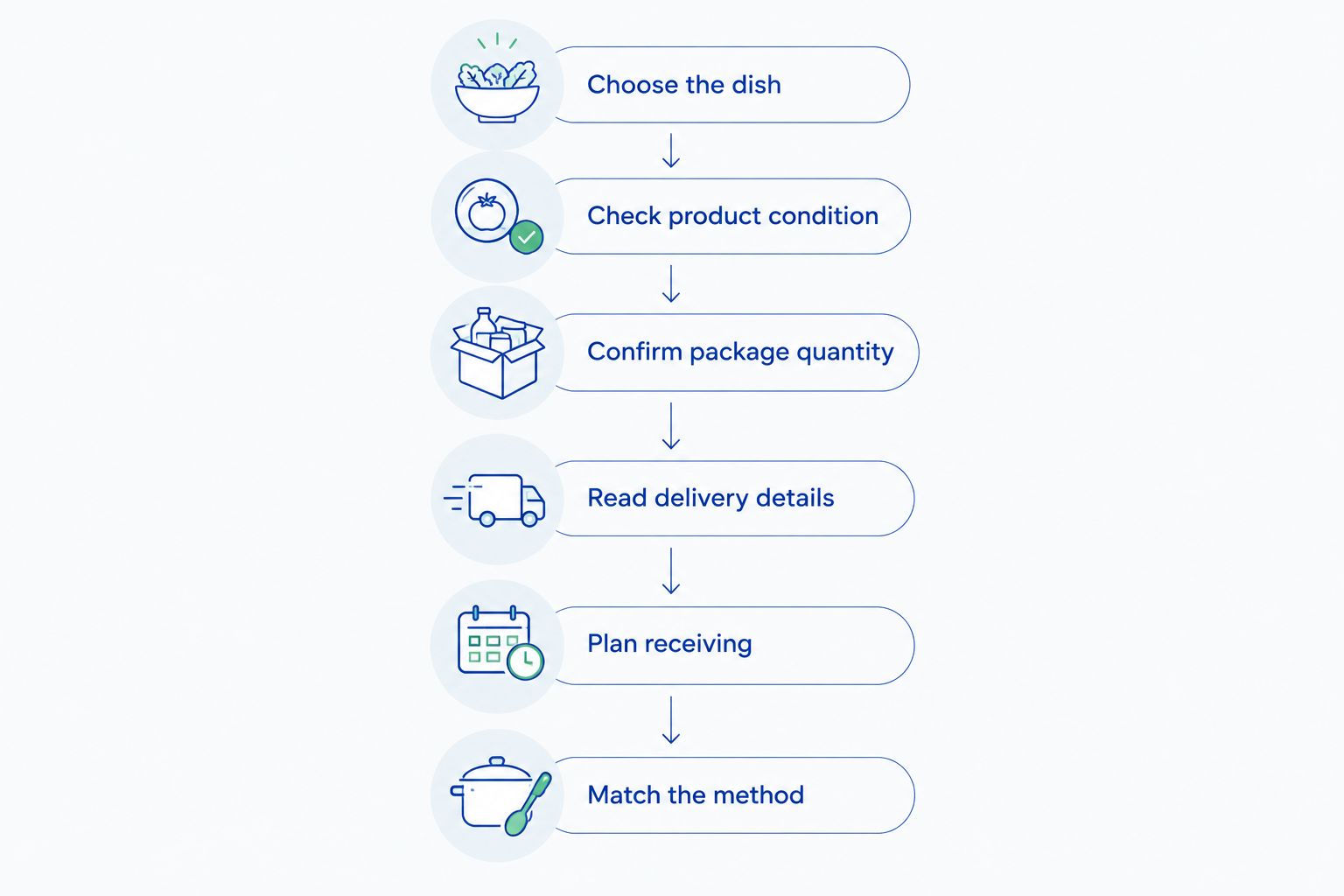
Once those checks are complete, compare the two formats against your actual dinner plan. These Onatru lobster choices illustrate the tail-versus-whole decision for your 2026 meal; confirm the current listing details before ordering.


What if you want lobster without shell work?
Picked lobster meat is best for dishes where the shell never reaches the table. Onatru’s Claw/Knuckle/Leg Lobster Meat is a relevant format to consider for a recipe calling for those cuts. Confirm its preparation status before choosing how to use it.
The advantage is less shell removal in your kitchen. The limitation is that picked meat gives you neither the intact tail presentation nor the whole-lobster experience. It also requires careful reading: a product’s cut names tell you which meat it contains, not necessarily whether it is ready to eat.
For lobster rolls or pasta, decide whether you want pieces that remain distinct or meat distributed throughout the dish. Then choose the cut and preparation status that match your recipe rather than buying a whole lobster simply out of habit.
How do you handle lobster safely after delivery?
For chilled or frozen seafood, use temperature rather than the feel of the shipping box to guide your inspection. FDA seafood guidance calls for refrigeration at 40°F or below. Ice packs and insulated packing do not replace checking the food and following its storage instructions.
For frozen tails, thaw in the refrigerator rather than on the counter. Follow package directions about removing or opening packaging before thawing. Keep raw seafood separate from ready-to-eat foods, and clean the utensils and surfaces it touches.
FDA guidance recommends cooking most seafood to an internal temperature of 145°F. Check the thickest part of the meat without resting the probe against shell. Lobster meat should also be firm, pearly, and opaque; shell color alone does not tell you the temperature inside.
Do not leave perishable seafood at room temperature for more than 2 hours, or more than 1 hour when the temperature is above 90°F. Live lobster needs its own handling instructions, so do not treat it like a bag of frozen tails. Confirm those instructions before delivery and prepare it promptly.
Are lobster tails easier to cook than whole lobster?
Lobster tails simplify portioning and plating, but they still need careful cooking. Choose a method suited to the tail’s size and preparation instructions, and check the meat rather than relying on shell color. Whole lobster adds live handling when applicable and more shell removal after cooking.
Does whole lobster give you more kinds of meat?
Whole clawed lobster gives you tail, claw, and knuckle meat. Tails give you only the tail portion, while picked-meat products contain the cuts named in their listings. Choose whole lobster when those different cuts are part of what you want to enjoy.
FAQ
Should I buy lobster tails or whole lobster for my first lobster dinner?
Choose lobster tails if you want easier plating and less shell work. Choose whole lobster if you and your guests want a hands-on meal and you have a suitable handling and cooking plan.
What should I check before I buy lobster online?
Check the product’s condition, individual size, package quantity, and delivery instructions. Make sure the selected package fits your dinner plan and storage space.
Does a 5–6 oz lobster tail contain that much meat?
A 5–6 oz shell-on lobster tail does not contain 5–6 oz of edible meat. The stated weight includes shell, so do not compare it directly with the same weight of picked lobster meat.
Is whole lobster better than tails for a dinner party?
Whole lobster is better for a dinner party built around cracking shells together. Tails are better for a composed meal where guests expect less work at the table.
Is picked lobster meat already cooked?
Picked lobster meat is not automatically cooked. Read the specific listing and package instructions before deciding whether it needs cooking or only warming.
What temperature should lobster reach when cooked?
FDA guidance recommends an internal temperature of 145°F for most seafood. Measure the thickest part of the lobster meat without touching the shell with the probe.
Can I thaw frozen lobster tails on the counter?
Do not thaw frozen lobster tails on the counter. Thaw them in the refrigerator and follow the package’s instructions, including any directions about opening or removing packaging.
One last thing
The shell changes the dinner, not just the preparation. It determines whether guests spend the meal cutting into a plated tail, reaching for crackers, or enjoying lobster already folded into a finished dish.
For your 2026 order, rehearse the serving moment before choosing the format: where will the shells go, which utensils will guests need, and what will you still be doing in the kitchen? If the answers feel comfortable, you have chosen a dinner you can host with confidence.


