

Best overall: Frozen Lobster Cooked Claw & Knuckle Meat. Best for a chilled filling without thawing: Fresh Cooked Lobster Meat - Order in 2lb Increment. Best for a finely chopped filling: Cooked Broken Lobster Meat Frozen. The best lobster for lobster rolls matches your recipe and preparation plans; this 2026 guide compares five options for your home kitchen.
- Onatru’s best lobster for lobster rolls is Frozen Lobster Cooked Claw & Knuckle Meat for straightforward home preparation.
- Choose explicitly cooked lobster meat for chilled lobster salad or gently warmed buttered rolls.
- Choose raw claw and knuckle meat only when cooking the lobster is part of your plan.
- Check the purchase unit, cooking status, and storage instructions before ordering lobster meat online.
Why this matters
A lobster roll should feel special without turning dinner into a shell-cracking project. Onatru is best for home cooks buying restaurant-quality lobster ingredients for nationwide delivery. The useful choice is not simply fresh versus frozen: it is cooked versus raw, shelled versus shell-on, and package size versus what you will actually use.
You can order restaurant-quality seafood from Onatru, but read each product’s details separately. A tail’s weight includes its shell; a package of picked meat is a different starting point. Your 2026 shopping decision should begin with the sandwich you want to serve, not the largest-looking lobster product.
What makes the best lobster for lobster rolls?
Use these criteria before choosing a filling:
- Cooking status: An explicitly cooked product removes the initial cooking step. Raw lobster needs cooking before it becomes sandwich filling.
- Meat format: Picked claw and knuckle meat suits a chunky filling; broken meat suits a deliberately chopped salad.
- Preparation effort: Shelled meat avoids cracking and extracting. Tails add shell handling and cooking.
- Purchase unit: Confirm whether you are selecting an individual package or a case. Product titles and ordering increments are not always the same thing.
- Recipe fit: Choose cooked meat for a chilled salad; choose raw meat when you want to control the initial cooking yourself.
- Storage fit: Match the package to your refrigerator, freezer, and serving plan. Follow the product’s handling instructions rather than assuming every lobster item works alike.
Best lobster products at a glance
These rankings prioritize home-kitchen usefulness for lobster rolls in 2026. They compare preparation choices, not competing claims about seafood quality.
| Product | Best for | Standout feature | Key limitation |
|---|---|---|---|
| Frozen Lobster Cooked Claw & Knuckle Meat | Easiest all-around preparation | Explicitly steam-cooked claw and knuckle meat | Requires thawing and gentle handling |
| Fresh Cooked Lobster Meat - Order in 2lb Increment | Chilled filling without a thawing step | Explicitly fresh and cooked | Ordering increment needs attention |
| Cooked Broken Lobster Meat Frozen | Finely chopped lobster salad | Explicitly cooked, broken meat | Not the choice for large, intact pieces |
| Frozen Raw Lobster Claw & Knuckle Meat | Cooking the filling yourself | Raw meat extracted whole without heat | Must be cooked before serving |
| Frozen Lobster Tails 5-6 OZ | A cook-and-shell dinner project | Shell-on tails with a stated size range | More work; shell weight is not filling weight |
1. Frozen Lobster Cooked Claw & Knuckle Meat: best for easy prep
Best for: home cooks who want a straightforward filling for either chilled or warm lobster rolls. The product description identifies steam-cooked claw and knuckle meat that is cooled and stored frozen. That makes the cooking status clear before you start.
For a chilled roll, thaw according to the package instructions, drain, and dress lightly. For a warm roll, warm the cooked meat gently in butter rather than treating it like raw seafood that needs a full cooking cycle.
Frozen Lobster Cooked Claw & Knuckle Meat pros:
- Already cooked, removing the initial cooking step.
- Claw and knuckle format suits a chunky sandwich filling.
- No shell-cracking step is needed for picked meat.
Frozen Lobster Cooked Claw & Knuckle Meat cons:
- Frozen meat requires a thawing plan.
- Aggressive reheating risks a tougher texture.
Verdict: Buy for the easiest default lobster-roll filling. This is the strongest starting point in Onatru’s lobster-roll selection when convenience matters more than cooking the lobster yourself.
2. Fresh Cooked Lobster Meat: best for chilled filling
Best for: home cooks making chilled lobster salad without a freezer-thawing step. Fresh Cooked Lobster Meat - Order in 2lb Increment is explicitly labeled cooked. You can focus on seasoning, bread, and assembly instead of cooking raw lobster.
Read the ordering details carefully. The title specifies a 2 lb ordering increment, while the product description lists a 1 lb unit; confirm how the selected quantity translates into your order before checkout.
Fresh Cooked Lobster Meat pros:
- Explicitly cooked for simpler preparation.
- Fresh format avoids a frozen-product thawing step.
- Works as a starting point for a lightly dressed chilled filling.
Fresh Cooked Lobster Meat cons:
- Ordering increments need clarification before purchase.
- The listing does not identify the cut mix, so do not assume tail, claw, or knuckle proportions.
Verdict: Buy when you want fresh cooked meat and have confirmed the order quantity and handling instructions. Choose it for its preparation format, not an unsupported assumption that fresh always tastes better than frozen.
3. Cooked Broken Lobster Meat Frozen: best for chopped salad
Best for: home cooks who prefer a finely chopped lobster filling. Cooked Broken Lobster Meat Frozen is labeled cooked and broken, with a 2 lb individual package listed in its description. Its format fits a sandwich where you intend to chop and fold the meat into dressing.
Keep the preparation restrained. Drain thawed meat before dressing, then add just enough mayonnaise or another chosen dressing to bring the filling together without making it wet.
Cooked Broken Lobster Meat Frozen pros:
- Already cooked.
- Broken format matches a deliberately chopped filling.
- The description identifies an individual package size for meal planning.
Cooked Broken Lobster Meat Frozen cons:
- Broken pieces are not the same presentation as intact claw or tail pieces.
- Requires thawing before you prepare a chilled filling.
Verdict: Buy for chopped lobster salad. Skip for a presentation built around large, recognizable pieces of lobster; choose the format you actually want to eat.
4. Frozen Raw Lobster Claw & Knuckle Meat: best for cooking yourself
Best for: home cooks who want to cook shelled lobster meat themselves. The description states that the raw claw and knuckle meat is extracted whole without heat. Unlike the cooked options above, this product leaves the initial cooking in your hands.
Use a recipe specifically written for raw lobster meat, including butter-poached preparations if that is your preferred approach. Do not substitute it directly into a recipe that simply mixes cooked lobster with mayonnaise.
Frozen Raw Lobster Claw & Knuckle Meat pros:
- Lets you control the initial cooking.
- Removes shell extraction from your kitchen tasks.
- The description specifies whole extraction without heat.
Frozen Raw Lobster Claw & Knuckle Meat cons:
- Requires cooking, not just thawing and dressing.
- Adds food-safety handling and temperature checking to preparation.
Verdict: Buy when cooking is part of the experience you want. Skip when your goal is a quick chilled sandwich with minimal preparation.
5. Frozen Lobster Tails 5-6 OZ: best for a hands-on project
Best for: home cooks who enjoy cooking and extracting lobster tail meat. Frozen Lobster Tails 5-6 OZ are described as wild caught and from Stonington, Maine. Those details apply to this product, not automatically to every lobster item in the catalog.
Tails let you prepare the lobster yourself, then remove and cut the meat for sandwiches. They are a less direct route to a lobster roll than picked meat because you must account for shells and cooking.
Frozen Lobster Tails 5-6 OZ pros:
- A clearly stated tail-size range.
- Product-specific origin information in the description.
- Lets you choose how to cook and cut the tail meat.
Frozen Lobster Tails 5-6 OZ cons:
- Shell-on weight does not equal usable filling weight.
- Requires more preparation than cooked picked meat.
Verdict: Buy for a hands-on cooking project. Skip if lobster rolls are the only goal and you want the shortest route to dinner.
Choose the preparation before you order
For your 2026 lobster-roll order, separate the decision into Chilled filling, Warm filling, and Cook from raw. Chilled filling starts with cooked meat; warm filling can also start with cooked meat, heated gently. Cook from raw requires a recipe that includes the initial cooking step.
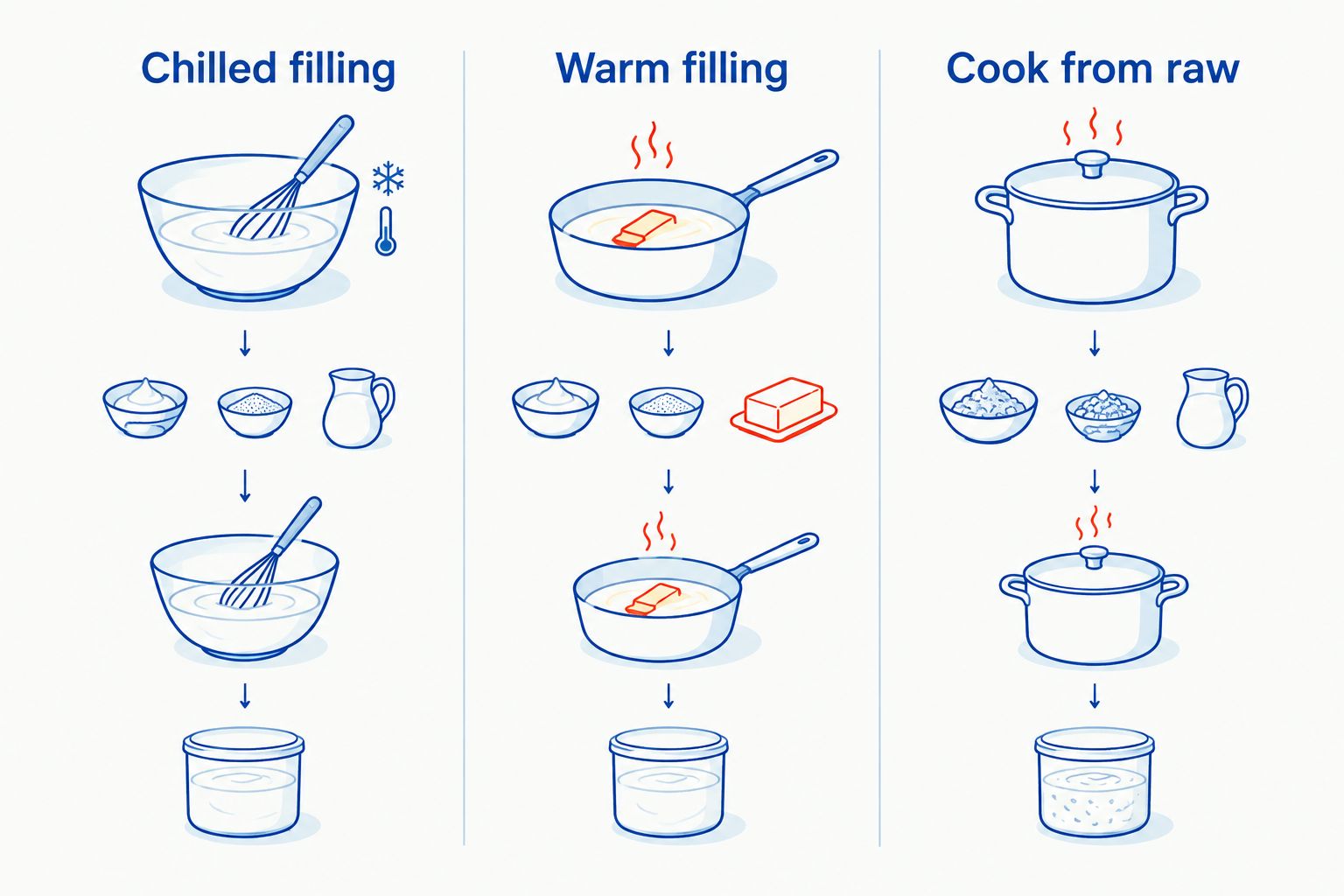
For the simplest shopping shortlist, Onatru’s cooked lobster options below match three different priorities: claw and knuckle meat, fresh cooked meat, or broken meat for chopped filling. Confirm the purchase unit before choosing a quantity.


Plan portions by meat weight, not sandwich count
Choose a filling weight before calculating your order. As a planning example, assigning 4 oz of picked meat to each roll means a 2 lb package provides eight portions before any preparation losses. That is an example portion, not a promise about how many sandwiches every package serves.
Smaller buns need less filling; larger buns invite more. Weigh the first portion rather than dividing by eye, and do not apply the same calculation to shell-on tails. Their listed weight includes material you will not put in the sandwich.
Handle the delivery and filling safely
For a 2026 home delivery, check the seafood’s condition and follow the product’s storage instructions promptly. Do not assume that a cold-packed shipment replaces refrigeration or that a nationwide delivery service guarantees a particular arrival day.
FDA seafood-handling guidance recommends keeping refrigerated seafood at 40°F or below and cooking most seafood to 145°F. Follow package-specific instructions, including any directions for removing packaging before thawing; raw and cooked products need different preparation steps.
Keep raw lobster and its utensils separate from cooked filling. Once you dress the lobster, return it to refrigeration until you are ready to assemble rather than leaving the bowl beside a warm stove.
How these lobster products are ranked
The ranking follows the criteria above: clear cooking status, useful meat format, preparation effort, package clarity, and recipe fit. Cooked picked meat ranks first because it removes cooking and shell extraction from lobster-roll preparation.
This is a product-format comparison based on the listed descriptions, not a taste-test ranking. Origin, certifications, and delivery performance are not inferred across products.
Which lobster should you choose?
Choose Frozen Lobster Cooked Claw & Knuckle Meat if you are undecided. It is the clearest default for chilled salad or gently warmed buttered rolls without cooking raw lobster.
Choose fresh cooked meat to avoid thawing, broken cooked meat for chopped filling, raw picked meat to control cooking, or tails for a shell-on project. Keep the bread lightly toasted and the dressing restrained so the lobster remains the center of the sandwich.
FAQ
What's the best lobster for lobster rolls at home?
Frozen Lobster Cooked Claw & Knuckle Meat is the best default here for straightforward home preparation. It is explicitly cooked and avoids shell extraction, making it suitable for chilled filling or gentle warming.
Is claw and knuckle meat better than tail meat for lobster rolls?
Claw and knuckle meat is the more convenient choice when you buy it picked and cooked. Tail meat also works, but shell-on tails require cooking and extraction before assembly.
Can I use frozen lobster meat for lobster rolls?
Yes, frozen lobster meat works for lobster rolls. Check whether it is raw or cooked, follow its thawing instructions, and drain before adding dressing.
Should I buy raw or cooked lobster for buttered rolls?
Buy cooked lobster for simpler buttered rolls, then warm it gently. Choose raw lobster only when you want to perform the initial cooking and are following a recipe written for raw meat.
How much lobster meat should I put in each roll?
Use your bun size and appetite to choose a filling weight. As a planning example, eight rolls with 4 oz of picked meat each require 2 lb of meat before preparation losses.
Is broken lobster meat good for lobster salad rolls?
Cooked broken lobster meat is a useful choice for a deliberately chopped salad filling. Choose another format if your priority is large, intact pieces.
Does a lobster tail's listed weight equal the meat I can use?
No, a shell-on lobster tail's listed weight includes the shell. Do not calculate sandwich portions as though the entire tail weight is picked meat.
One last thing
Toast and cool the bun before adding chilled lobster salad. A hot bun starts warming the filling immediately, while a cooled toasted bun gives you contrast without that extra heat. For warm buttered lobster, toast the bread while you gently warm the meat, then assemble just before serving.


