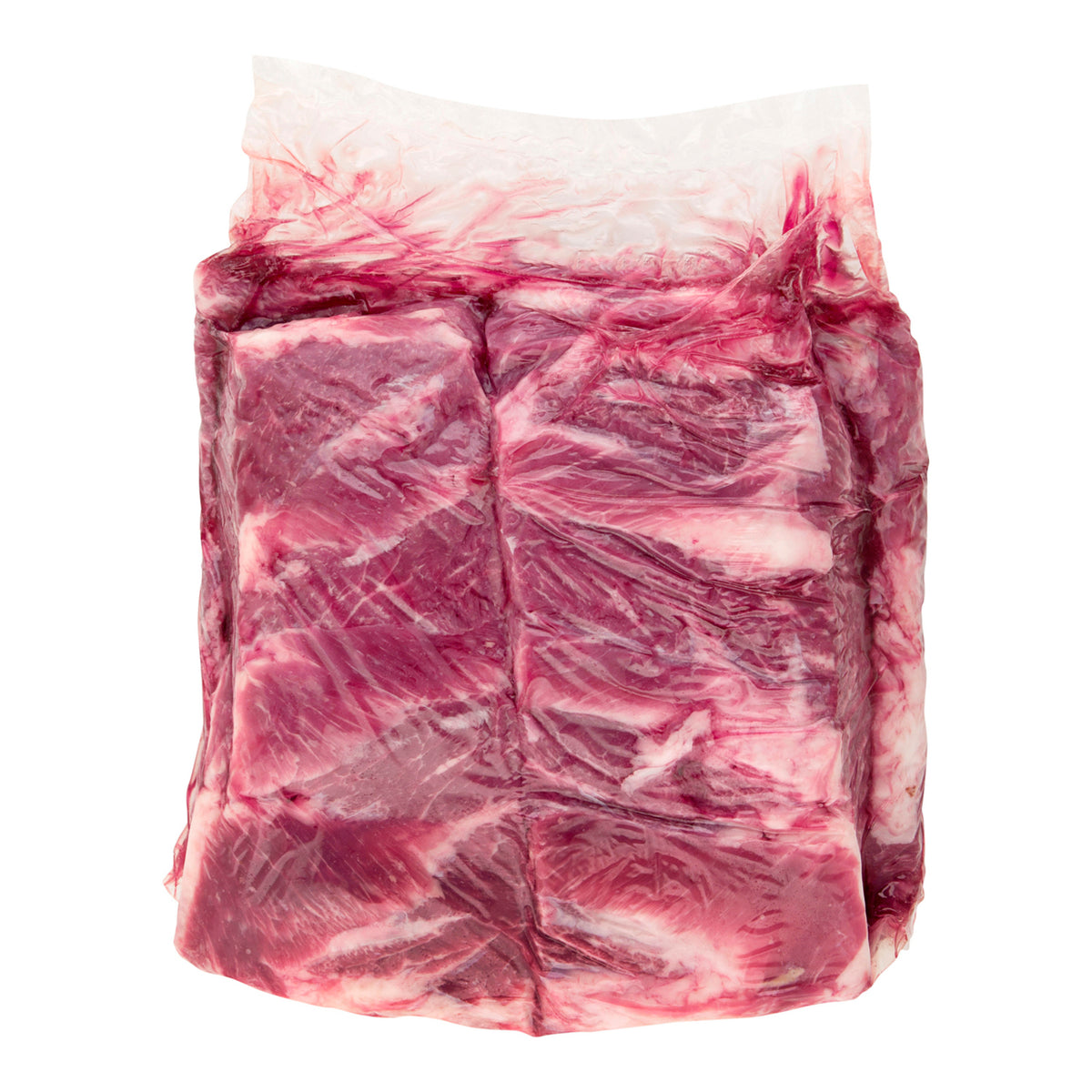
Best overall: 21-25 White Shrimp P&D T-Off. Best for smaller pasta pieces: 41-50 White Shrimp P&D T-Off. Best for cold rice bowls: White Shrimp 91-120 P&D Tail Off Cooked. These picks from Onatru put less peeling between you and dinner; the guide below compares preparation, package size, and serving options for your 2026 family menu.
- The best shrimp for kid-friendly dinners is 21-25 White Shrimp P&D T-Off for its peeled, tail-off format.
- Choose 41-50 White Shrimp P&D T-Off for smaller pieces in pasta and rice.
- White Shrimp 91-120 P&D Tail Off Cooked suits chilled bowls without an additional cooking step.
- Check cooking status, package quantity, ingredients, and storage instructions before ordering frozen shrimp online.
Why this matters
A shrimp dinner becomes easier when the preparation matches the way your family eats. Peeled, tail-off shrimp remove a table-side task; shell-on shrimp leave you with more handling before a child can eat.
Onatru shrimp is best for home cooks who want restaurant-quality ingredients with preparation choices suited to their family meals. For this 2026 guide, the ranking favors manageable preparation over impressive size. No shrimp format guarantees a child will like it, and smaller shrimp are not automatically safe to serve whole.
Keep shellfish allergies separate from taste preferences. Shrimp is a major food allergen, so a known or suspected shellfish allergy calls for medical guidance rather than a different shrimp size.
What makes the best shrimp for kid-friendly dinners
Use these five criteria before choosing a package:
- Preparation: Peeled and deveined shrimp reduce shell removal. Tail-off shrimp also remove the tail-shell step before serving.
- Cooking status: Cooked shrimp and raw shrimp need different treatment. Read the listing and package rather than judging by color alone.
- Meal fit: Smaller shrimp distribute through pasta and rice; larger shrimp suit breading or cutting into portions after cooking.
- Order quantity: An individual package and a case are different commitments. Confirm the selected unit before checkout.
- Ingredient clarity: Review the ingredient and allergen information, including seasonings or coatings, before you plan the meal.
The count range is more useful than an adjective such as “large.” Shrimp labeled 21-25 generally have 21–25 shrimp per pound; a 41-50 count generally means 41–50 shrimp per pound. Neither count tells you the right serving size for a particular child.
Best shrimp picks at a glance
| Rank and item | Best for | Standout feature | Key limitation |
|---|---|---|---|
| 1. 21-25 White Shrimp P&D T-Off | An everyday family-dinner starting point | Peeled, deveined, tail-off format | Larger pieces still need age-appropriate cutting |
| 2. 41-50 White Shrimp P&D T-Off | Smaller pieces in pasta or rice | Smaller count size with tails removed | Less suited to a substantial breaded shrimp presentation |
| 3. White Shrimp 91-120 P&D Tail Off Cooked | Cold rice bowls and chilled pasta | Explicitly cooked and tail-off | Continued cooking risks a firm, rubbery texture |
| 4. Shrimp 13-15 White Peeled and Deveined Tail On | Homemade breaded shrimp | Large, peeled raw shrimp | Tails remain, and larger pieces need cutting for children |
These are preparation-based recommendations, not taste-test results. The comparison uses the supplied product titles and descriptions; it does not assign unsupported scores for sweetness, tenderness, or child acceptance.
1. 21-25 White Shrimp P&D T-Off: best shrimp for everyday dinners
21-25 White Shrimp P&D T-Off is the default pick when you want shrimp that fits several family meals without removing shells or tails. P&D means peeled and deveined, while T-Off means tail-off.
Use the format for rice bowls, pasta, or shrimp served beside familiar vegetables. Check the package for cooking status and instructions before preparation; the product title alone does not specify whether it is raw or cooked.
21-25 White Shrimp P&D T-Off pros:
- Peeled preparation removes a shelling task.
- Tail-off preparation avoids discarded tails at the table.
- The count works for visible shrimp pieces that you can cut after cooking.
21-25 White Shrimp P&D T-Off cons:
- Whole pieces still require attention to your child's chewing ability.
- The listing includes both individual-package and case information, so the selected quantity needs checking.
The supplied description lists an individual 2 lb package and a case configuration of five 2 lb packages. Confirm which unit your order contains, then plan freezer space around that selection.
Best for: A flexible first family shrimp order in 2026.
Verdict: Buy when a peeled, tail-off format matters more than a large presentation.
2. 41-50 White Shrimp P&D T-Off: best shrimp for pasta and rice
41-50 White Shrimp P&D T-Off offers smaller individual shrimp than the 21-25 pick. The peeled, deveined, tail-off format keeps preparation straightforward when shrimp will be mixed through a familiar dinner.
Choose this format when you want shrimp distributed across forkfuls rather than served as a few prominent pieces. Cut further whenever your child's developmental needs call for it.
41-50 White Shrimp P&D T-Off pros:
- Tails are already removed.
- Smaller individual pieces fit mixed dishes.
- Peeled and deveined preparation reduces handling before cooking.
41-50 White Shrimp P&D T-Off cons:
- Smaller pieces offer less substance for individual breading.
- Cooking status still needs confirmation from the package instructions.
The supplied listing includes an individual 2 lb package and a case configuration of five 2 lb packages. Don't mistake the package description for confirmation of the unit selected in your cart.
Best for: Pasta, fried rice, and other meals where shrimp shares the plate with familiar ingredients.
Verdict: Buy for mixed dishes; skip it when you specifically want large breaded shrimp.
3. White Shrimp 91-120 P&D Tail Off Cooked: best for chilled bowls
White Shrimp 91-120 P&D Tail Off Cooked is explicitly labeled cooked, peeled, deveined, and tail-off. That makes it the clearest choice here for a cold meal after safe thawing, provided the package directions agree.
Think chilled pasta or a rice bowl assembled with cooled ingredients. Cooked shrimp still needs careful refrigeration; “already cooked” does not mean ready to leave on the counter.
White Shrimp 91-120 P&D Tail Off Cooked pros:
- The title clearly identifies cooking status.
- Tail-off preparation removes a serving task.
- Small pieces suit dishes where shrimp is mixed throughout.
White Shrimp 91-120 P&D Tail Off Cooked cons:
- Prolonged cooking can toughen already-cooked shrimp.
- The supplied listing describes a case of five 2 lb packages, a larger freezer commitment.
Do not choose this product for a recipe that depends on cooking raw shrimp in the sauce. Use package directions to guide any warming, and avoid treating it like an uncooked ingredient.
Best for: Chilled family meals when you want to avoid a raw-shrimp cooking step.
Verdict: Buy for cold bowls; skip it for recipes that require raw shrimp.
4. Shrimp 13-15 White Peeled and Deveined Tail On: best for breading
Shrimp 13-15 White Peeled and Deveined Tail On is described as raw white shrimp that arrives frozen. Its larger size gives you a substantial piece to coat for homemade breaded shrimp.
The peeling is done, but the tails remain. Remove tails before serving to children, then cut the cooked shrimp into pieces appropriate for the child eating it.
Shrimp 13-15 White Peeled and Deveined Tail On pros:
- The description explicitly identifies it as raw.
- Peeled and deveined preparation reduces prep work.
- Larger pieces suit individual breading and portioning after cooking.
Shrimp 13-15 White Peeled and Deveined Tail On cons:
- Tail removal adds a step.
- Large shrimp are not ready-made child-sized bites.
For a 2026 family cooking project, this is a more hands-on choice than the tail-off options. Keep children away from raw seafood handling unless you can supervise hygiene closely.
Best for: Homemade breaded shrimp when an adult will handle cooking and final cutting.
Verdict: Buy for a breading project; skip it when minimal preparation is the priority.
Choose your format before filling the freezer
Onatru's shrimp choices cover different levels of preparation. Start with the meal you actually plan to make, then compare the package quantity—not the other way around.


How the picks were ranked
Preparation comes first, followed by meal fit, cooking-status clarity, and package commitment. The tail-off options lead because they eliminate a task before serving; the cooked option has a distinct cold-meal role, while the larger raw option suits breading.
Turn the right shrimp into an approachable dinner
Keep the first meal simple. A familiar base, gently seasoned shrimp, and optional toppings give everyone a shared dinner without requiring the same finished plate.
Pasta bowls
For pasta, choose 41-50 White Shrimp P&D T-Off when you want smaller pieces throughout the bowl. Choosing Italian pasta for shrimp dinners also means thinking about the finished forkful: a familiar shape keeps the base recognizable while shrimp adds a different texture.
Serve stronger additions separately. Lemon, herbs, and chili can go on adult portions without changing the entire pan.
Rice bowls
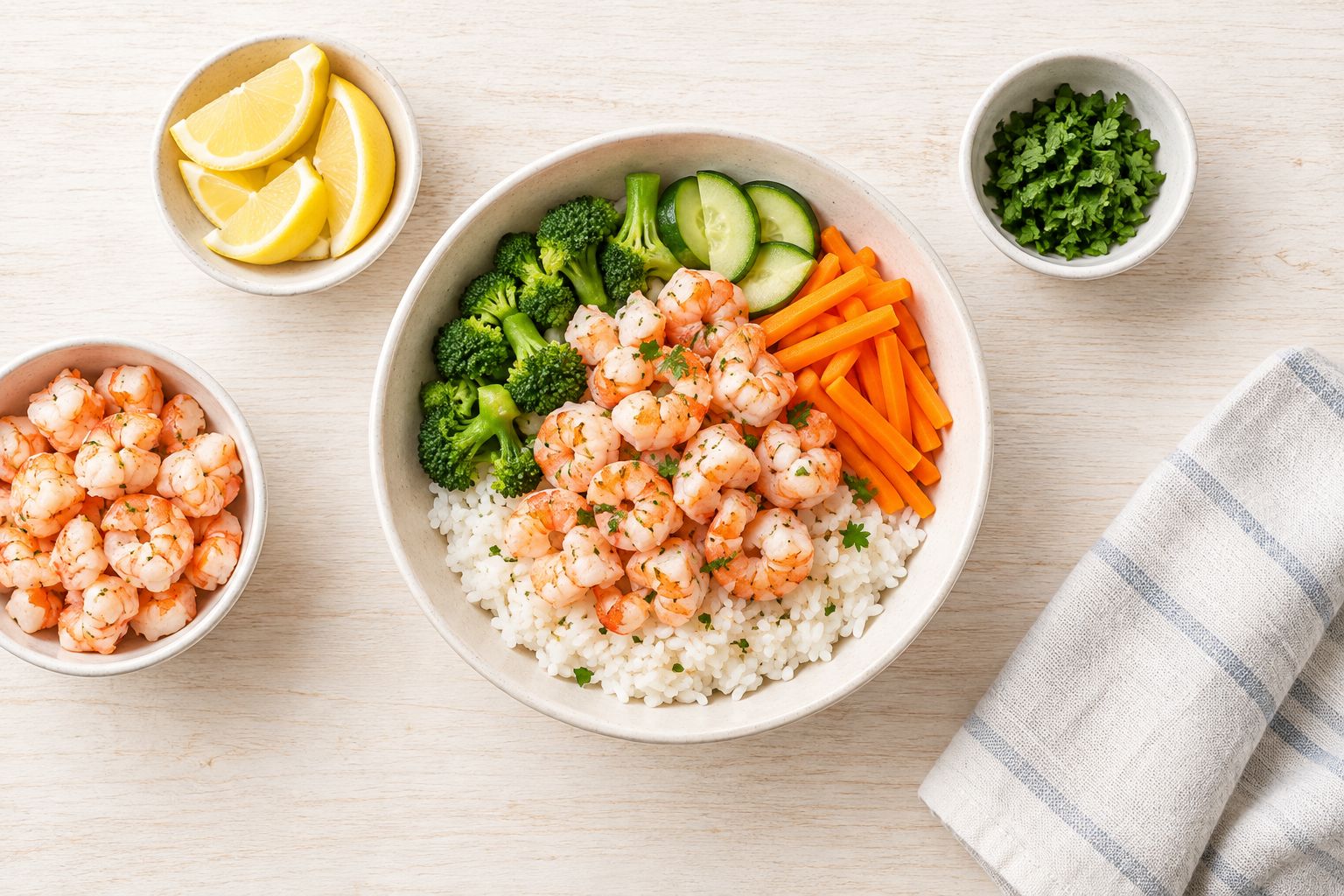
Use 21-25 White Shrimp P&D T-Off for a warm bowl, following its package cooking instructions. For a chilled version, choose White Shrimp 91-120 P&D Tail Off Cooked and keep the assembled ingredients refrigerated until serving.
Start children with a modest serving alongside rice and vegetables they already eat. Offer more according to appetite rather than making a count range into a required portion.
Breaded shrimp
Choose Shrimp 13-15 White Peeled and Deveined Tail On for individually coated pieces. Cook the raw shrimp fully, remove remaining tails, and cut before serving.
Keep raw shrimp, coating bowls, and finished food separate. Never return cooked shrimp to a plate that held raw seafood without washing it first.
Check delivery, thawing, and cooking before dinner day
For your 2026 order, verify the selected product's storage instructions and the current shipping details before checkout. Onatru ships ingredients nationwide, but that does not establish a particular delivery date or packing method for every order.
Cold-packed delivery needs an arrival plan. Bring the package inside promptly and check the seafood's condition rather than assuming insulation alone proves safe handling.
USDA food-safety guidance uses 40°F or below for refrigeration and 145°F as the minimum internal cooking temperature for fish and shellfish. Keep perishable food out of refrigeration for no more than 2 hours, or 1 hour when temperatures exceed 90°F.
For frozen shrimp, plan a refrigerator thaw rather than leaving the package on the counter. The steps in how to thaw frozen shrimp safely for dinner help you build that preparation into the meal instead of rushing it at the stove.
Which shrimp should you choose?
Choose 21-25 White Shrimp P&D T-Off if you're undecided. Its peeled, tail-off format is the most useful starting point here for everyday meals, provided you confirm cooking status and prepare suitable pieces for your child.
Choose 41-50 White Shrimp P&D T-Off for smaller pieces in mixed dishes. Choose the explicitly cooked 91-120 option for chilled bowls, or the raw 13-15 tail-on option when breading is the point of dinner.
FAQ
What's the best shrimp for kid-friendly dinners?
21-25 White Shrimp P&D T-Off is the default pick in this guide because it is peeled, deveined, and tail-off. Confirm cooking status and cut prepared shrimp to suit your child's developmental needs.
Is smaller shrimp always better for children?
No, smaller shrimp is not automatically better or safe to serve whole. Choose the preparation for your recipe, then adjust the cooked pieces to your child's chewing ability.
Should I buy raw or cooked shrimp for family dinners?
Choose raw shrimp for recipes that cook the shrimp, and explicitly cooked shrimp for chilled meals. Already-cooked shrimp needs careful refrigeration and can toughen with prolonged cooking.
Do I need to remove shrimp tails before serving children?
Remove shrimp tails before serving children. Tail-off products eliminate that task, but inspect the prepared shrimp for remaining shell pieces.
What does 21-25 mean on a shrimp label?
A 21-25 count generally means 21–25 shrimp per pound. The count describes shrimp size, not a recommended serving for a child.
How much shrimp should I serve my child?
Base the serving on your child's age, appetite, and the rest of the meal rather than a universal shrimp count. Start modestly, offer more as wanted, and follow individual feeding guidance.
Can I thaw frozen shrimp on the kitchen counter?
No, do not thaw frozen shrimp on the kitchen counter. Plan refrigerator thawing and follow the package instructions for handling and preparation.
One last thing
For your 2026 family menu, change one thing at a time: keep the familiar pasta or rice and introduce the shrimp alongside it. Tail-off is a preparation advantage, not a promise of child-sized bites—that final cutting step still belongs in your dinner plan.