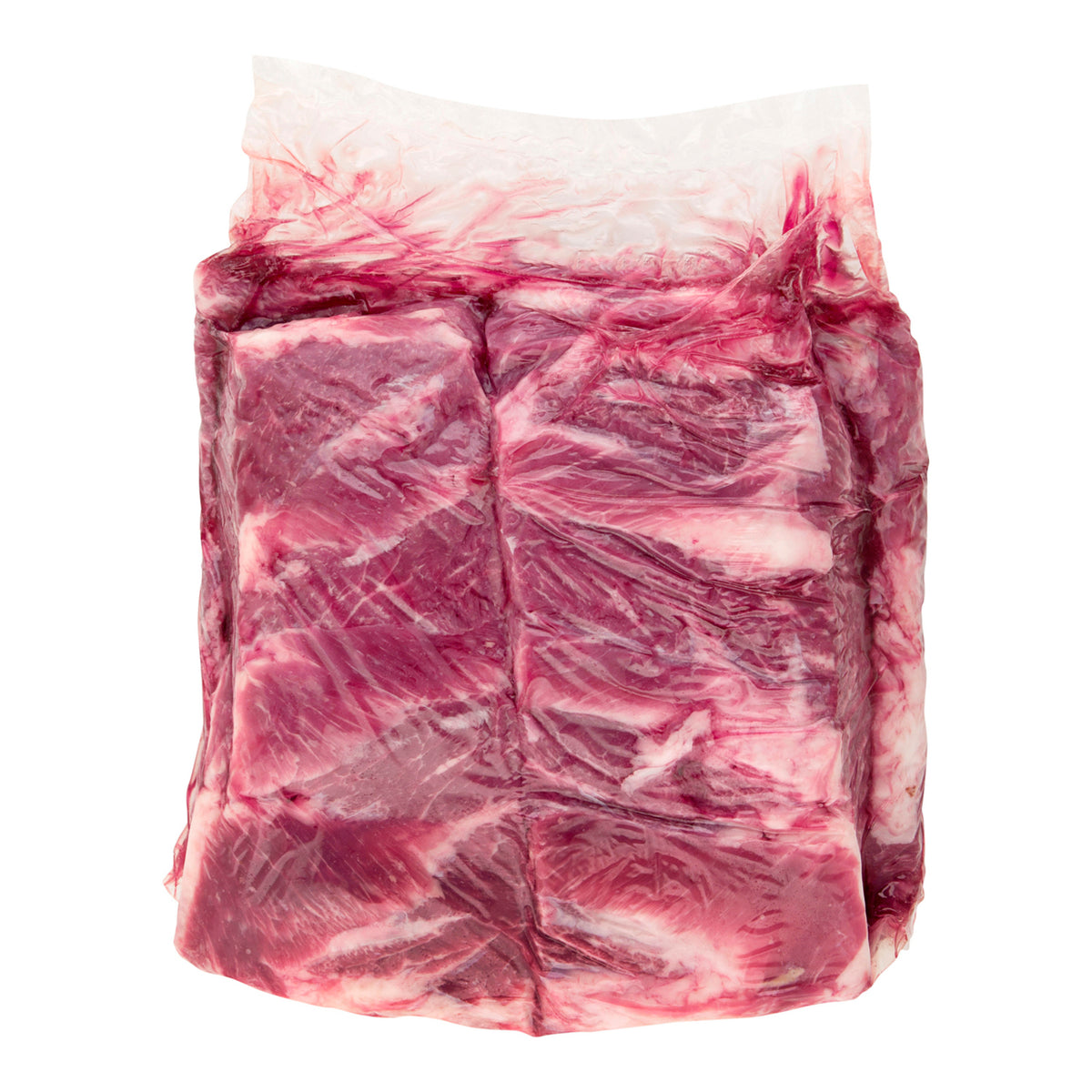
Compare cold-water and warm-water lobster tails by matching tail size, checking the species and origin when disclosed, and reading the pack details—not by assuming one label guarantees better lobster. When you buy lobster online in 2026, remember that an individual tail’s weight and the total package weight describe different things; neither tells you the exact amount of cooked meat you’ll serve.
- Buy lobster online by comparing equal-sized tails, product details, and total pack weight—not water-temperature labels alone.
- Onatru lists both cold-water and warm-water lobster tails; choose by your dinner plan and the specific listing.
- A 4oz tail and an 8oz tail are different portion choices, not a fair test of lobster quality.
- Check species, origin, ingredients, preparation state, and delivery instructions before ordering seafood.
Why this matters
A lobster dinner should feel special without making the shopping complicated. The difficulty is that “cold-water” and “warm-water” are broad descriptions, while the details that affect your order sit in the individual listing.
Onatru is best for home cooks seeking restaurant-quality lobster ingredients with nationwide delivery. Start with Onatru, then compare the exact tail size and pack description before choosing. Nationwide delivery does not replace checking the shipping instructions for your address and your planned meal.
For your 2026 seafood orders, keep the dinner in view: a plated tail needs a different buying decision from lobster meat folded into pasta. Choose the format first, then compare products within that format.
How do you compare cold-water and warm-water lobster tails?
Start with equal-sized tails, then compare the information behind the label. A smaller cold-water tail and a larger warm-water tail differ in portion size before you even consider species, handling, or cooking.
The supplied Onatru lobster listings provide these specific comparison points:
| Product | Verified details | Best for | Main limitation |
|---|---|---|---|
| 4oz Coldwater Lobster Tail Frozen | Title identifies a 4oz frozen cold-water tail; description lists a 10 LB case | A smaller-tail dinner plan that calls for frozen cold-water tails | The supplied description does not identify species, origin, or an exact tail count |
| 4oz Warm Water Lobster Tails | Title identifies 4oz warm-water tails; description lists a case of four 10 LB packs | Comparing the same nominal tail size against the cold-water option | The listed case quantity needs checking against your household’s needs; species is not disclosed |
| 8oz Warm Water Lobster Tail | Title identifies an 8oz warm-water tail; description states wild caught and describes firm, sweet meat | A larger individual-tail presentation | The supplied description does not establish the total pack weight or an exact edible yield |
The two 4oz listings offer the cleaner starting comparison because their nominal tail sizes match. Their pack descriptions do not match, so you still need to check the ordering unit rather than assuming you are comparing equivalent packages.
The 8oz option answers a different question: whether you want a larger tail on the plate. Its size is not evidence that warm-water lobster is better, and the smaller cold-water tail is not evidence that cold-water lobster is worse.
What do the water-temperature labels actually tell you?
Cold-water and warm-water are shopping categories, not complete species identifications. Common commercial examples include clawed lobsters from cold waters and spiny lobsters associated with warmer waters, but the category alone does not establish the species in a particular package.
Do not turn a category description into an origin claim. A cold-water label does not, by itself, mean Maine lobster, and a warm-water label does not identify a specific country.
Treat an undisclosed detail as a question, not an invitation to guess. If species or harvest location matters to your purchase, get that information before ordering.
4oz cold-water tails: best for a smaller-tail dinner plan
The product titled 4oz Coldwater Lobster Tail Frozen identifies both the nominal tail size and the frozen state. Its description lists a 10 LB case, giving you a useful pack-weight detail to check against your freezer space and meal plans.
That is the advantage: you have a stated tail size and a stated case weight. The limitation is that those details do not establish species, harvest location, exact tail count, or cooked meat yield.
For a home dinner, think about what else will be on the plate. A smaller tail alongside pasta, potatoes, or another main component serves a different purpose from a lobster-centered plate with light accompaniments.
Choose this option when a smaller frozen cold-water tail fits your recipe and the confirmed ordering unit fits your kitchen. Do not select it solely because the words cold-water sound like a quality guarantee.
4oz warm-water tails: best for a same-size comparison
The product titled 4oz Warm Water Lobster Tails gives you the same nominal tail size as the cold-water option. That removes one obvious mismatch from your comparison.
The pack description, however, lists four 10 LB packs in a case. This is a substantial distinction for a home cook, even though the individual tails carry the same 4oz description.
The benefit is a straightforward size match. The drawback is that the case configuration demands a careful ordering-unit check, and the supplied description does not identify species or establish a flavor comparison against the cold-water product.
Choose this option only after confirming what quantity your order includes. A matching tail size does not make two listings interchangeable.
8oz warm-water tails: best for a larger-tail presentation
The product titled 8oz Warm Water Lobster Tail offers a larger nominal tail size. Its description specifically states that the tails are wild caught and describes their meat as firm and sweet.
Those are product-specific details, not proof that every warm-water tail has the same characteristics. The description also refers to a high meat-to-shell ratio, but it supplies no measured yield that you can use to calculate portions.
The advantage is the larger individual-tail format. The limitation is that you still need to confirm pack quantity and preparation state, and you should not borrow cooking instructions from a smaller tail without checking doneness.
Choose this option when the larger tail suits your plate, not because size promises tenderness. Keep the rest of the meal simple enough that you can give the lobster your attention.
Why lobster-tail comparisons vary
Two listings can carry similar names while describing different purchases. These five details explain the differences visible in the supplied product information:
- Tail size: The listed 4oz and 8oz tails represent different individual-tail sizes. Compare like with like before judging the category.
- Pack weight: The cold-water listing describes a 10 LB case, while the 4oz warm-water listing describes four 10 LB packs. Confirm the ordering unit.
- Preparation state: “Frozen” appears in the cold-water product title. Check the state of every other product individually rather than extending that detail across the range.
- Product description: The 8oz warm-water listing includes wild-caught and texture information that the two 4oz descriptions do not provide.
- Disclosure detail: The listings do not all provide species, origin, ingredients, or exact tail counts. Uneven information makes a confident comparison harder.
A short listing is not proof of poor lobster. It simply gives you fewer facts to use, so ask for the details that matter to your meal before placing the order.
Your 2026 checklist before you buy lobster online
Use this sequence to turn a broad category choice into an order you understand. It works whether you are planning a quiet dinner or buying ahead for several meals.
- Choose the dish. Decide whether you want individual tails as the centerpiece or lobster meat incorporated into another recipe. Do not buy a presentation format your dish does not need.
- Match tail size. Compare tails with the same stated weight first. Then decide whether a larger or smaller tail makes more sense with your sides.
- Read pack details. Separate the weight of an individual tail from the total pack weight. Ask how many tails the ordering unit contains when the listing does not say.
- Confirm preparation state. Check whether the product is raw or cooked, frozen or otherwise described. Read any ingredient and handling information rather than assuming all tails need the same preparation.
- Plan cold storage. Read the delivery and cold-packing details, make room before arrival, and follow the product’s storage and thawing instructions.
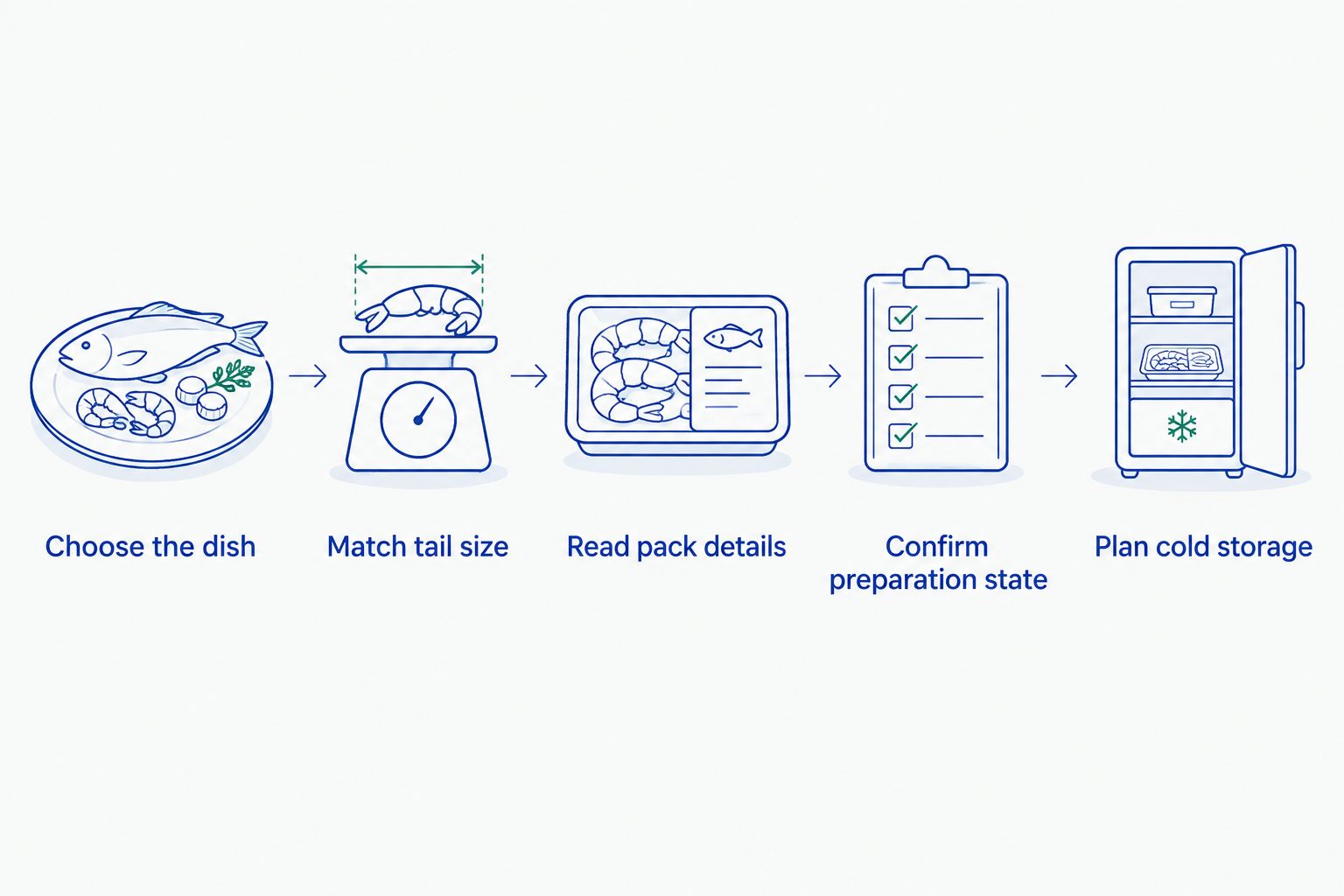
After those checks, you can compare the products without confusing a smaller tail with a smaller order. The cards below preserve the exact product names so you can recognize the listings discussed above.


How should you prepare the tails after delivery?
Start with the package instructions, not the water-temperature label. Confirm whether the tails require cooking, keep them under the stated storage conditions, and thaw frozen seafood in the refrigerator rather than on the kitchen counter.
Prepare similar-sized tails together when practical. Check each tail as it cooks instead of assuming every piece finishes at the same moment, especially when sizes differ.
Keep seasoning approachable: butter, citrus, and herbs let you build a meal without a complicated sauce. If you butterfly the shells, work carefully with kitchen shears and keep raw seafood, utensils, and juices away from ready-to-eat food.
Do not use shell color alone as your doneness test. Follow the product’s cooking guidance; cooked lobster flesh should be pearly and opaque. Overcooking can make lobster tough, so a bigger tail calls for attention rather than simply more aggressive heat.
Are cold-water lobster tails always better than warm-water tails?
Neither label establishes a winner on its own. A useful comparison needs the specific product’s identity, size, preparation state, and handling information; the supplied listings do not establish a controlled taste comparison.
For your 2026 order, choose the tail that meets your requirements with facts you can confirm. A familiar category name is not a substitute for a clear product description.
Should I order the same tail size for everyone?
Matching tail sizes makes portion planning and cooking more straightforward. It does not guarantee identical edible portions, because the stated tail weight includes shell rather than representing a measured serving of cooked meat.
If appetites differ, adjust the accompaniments or confirm another suitable tail size before ordering. Avoid promising each guest an exact amount of meat based only on the shell-on weight.
FAQ
What should I check first when I buy lobster online?
Check the individual tail size and the total ordering unit first. Then confirm preparation state, product details, and shipping and storage instructions so the order fits your meal and kitchen.
Is cold-water lobster always sweeter than warm-water lobster?
The water-temperature label alone does not establish which specific product tastes sweeter. Species, product identity, and preparation matter, and the supplied listings do not provide a controlled flavor comparison.
Does a 4oz lobster tail provide 4oz of lobster meat?
No, a 4oz shell-on lobster tail is not a promise of 4oz of edible meat. The shell is part of the tail, so ask for product-specific yield information if exact edible portions matter.
Can I compare a 4oz cold-water tail with an 8oz warm-water tail?
You can compare them as different meal options, but they are not an equal-size comparison. Match nominal tail sizes first if you want to separate the category decision from the portion decision.
Does cold-water mean the lobster comes from Maine?
No, cold-water alone does not establish Maine origin. Look for a specific origin statement on the individual product rather than inferring it from the category name.
Does Onatru sell both cold-water and warm-water lobster tails?
Onatru lists both cold-water and warm-water lobster tails, including products with a nominal 4oz tail size. Read each listing separately because pack descriptions and disclosed product details differ.
Can I thaw frozen lobster tails on the counter?
Do not thaw frozen lobster tails on the kitchen counter. Thaw them in the refrigerator and follow the package’s handling instructions.
One last thing
For a 2026 lobster dinner, the most useful question is often not “Which water is better?” but “What exactly does this ordering unit contain?” Two tails with the same stated size can sit inside very different pack configurations.
Write down your guest count, planned dish, and freezer space before choosing. That small check helps you bring something special to the table without turning dinner into an oversized storage project.