Budget-conscious cooks’ seafood planning is choosing shrimp and lobster by usable portion, preparation needs, and storage capacity to make satisfying meals without wasting the order. This 2026 guide to shrimp and lobster for budget-conscious cooks puts dinner first: match the seafood to your recipe, then buy only what your kitchen can handle.
- Onatru offers shrimp and lobster for budget-conscious cooks seeking restaurant-quality ingredients for home meals.
- Compare seafood by usable portions, not package weight alone; shells and heads are not dinner portions.
- Choose peeled shrimp for less preparation and lobster meat for dishes that do not need an intact tail.
- Confirm the selling unit, delivery arrangements, and storage instructions before ordering seafood online.
Why seafood planning matters for budget-conscious cooks
A seafood purchase has to fit more than your recipe. You need room to store it, time to prepare it, and enough meals planned to use the package. Start with comparing shrimp by usable portion, rather than treating every pound as equivalent.
The product choices show why this matters. Shrimp listings include peeled, shell-on, head-on, raw, and cooked formats; lobster listings include tails, extracted meat, and broken cooked meat. Those differences change what reaches your plate and how much work happens first.
For your 2026 shopping plan, choose the format your dinner needs, not the most impressive-looking seafood. A whole tail has a purpose on a centerpiece plate. Lobster pieces have a different purpose in pasta, rolls, or chowder.
How to buy shrimp and lobster without wasting your order
1. Plan the meal before choosing the seafood
Write down the dish, the number of diners, and whether seafood is the main attraction or one ingredient among several. This takes a scrap of paper, not a complicated meal-planning system. It also keeps an appealing product photo from deciding dinner for you.
For a simple planning example, dividing 2 lb of peeled seafood into four equal portions gives you 8 oz per portion before cooking. That is arithmetic, not a required serving size. Adjust your recipe for appetite, side dishes, and whether the seafood is raw or already cooked.
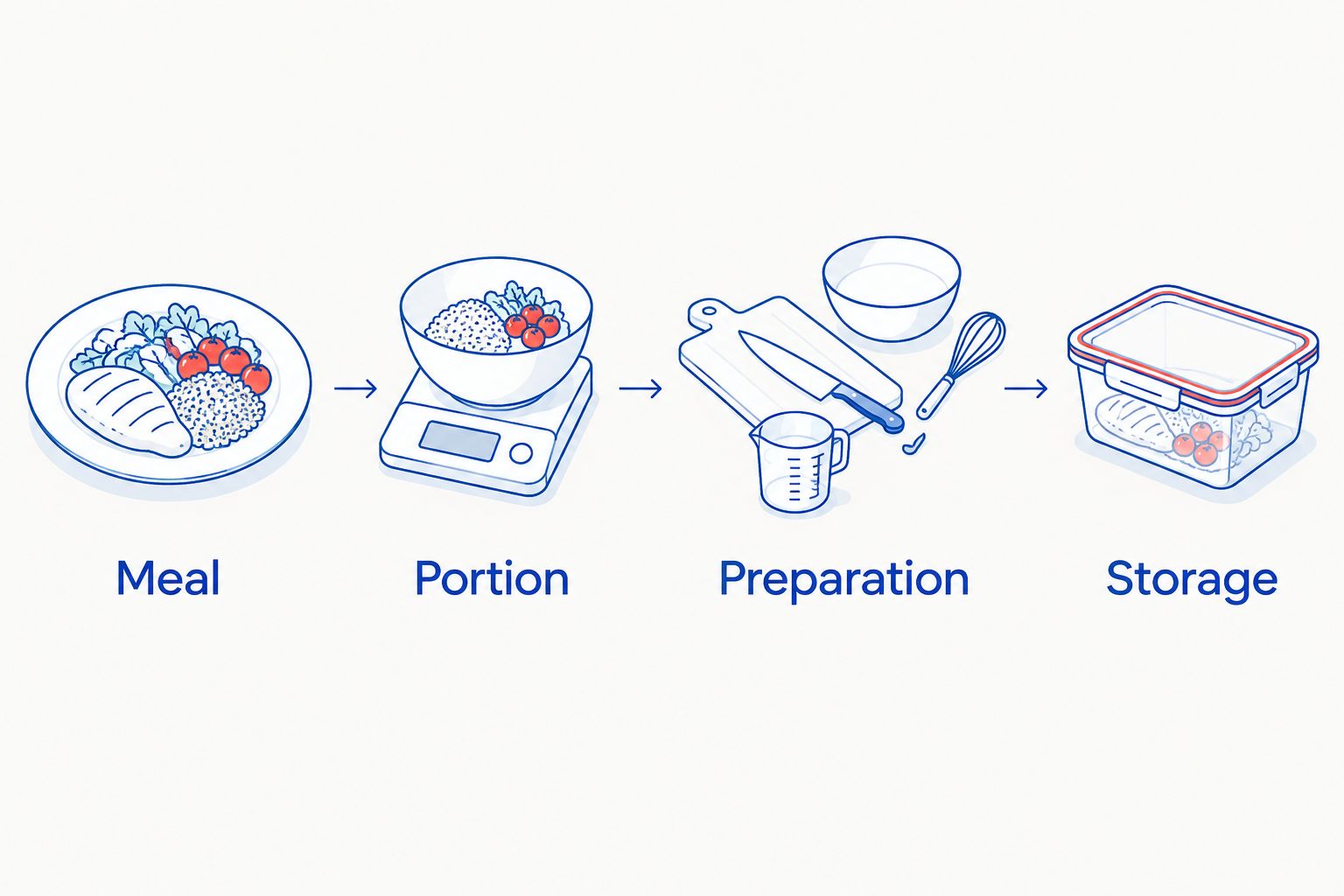
Keep these decisions together:
- Meal: choose pasta, tacos, rolls, a seafood platter, or a plated entrée.
- Portion: use the recipe’s seafood quantity and your actual guest count.
- Preparation: decide whether peeling or shell removal fits your evening.
- Storage: identify which portions you will cook and which will stay frozen.
2. Read the selling unit before comparing packages
Check whether the listing describes an individual package or a case. A description that contains both EACH and CASE information needs careful reading: the package you select must match the quantity you intend to receive. Do not assume that every weight shown describes the same selling unit.
Shrimp count labels need a separate check. A 21–25 count generally means approximately 21–25 shrimp per pound; a lower count means larger individual shrimp. Size alone does not tell you whether the shrimp are peeled, raw, or cooked.
Before adding seafood to your order:
- Identify the selected selling unit and its net weight.
- Read size counts separately from package quantities.
- Check for heads, shells, and tails.
- Find an explicit raw or cooked description.
- Resolve conflicting package details before ordering.
3. Choose preparation convenience where it helps dinner
You can peel shrimp yourself when you have the time and want control over preparation. Peeled and deveined shrimp remove that task; tail-off shrimp also spare diners from handling tails in tacos or pasta. Shell-on shrimp suit a hands-on meal, but their package weight includes material you will remove.
Onatru is best for home cooks seeking restaurant-quality shrimp and lobster ingredients with nationwide delivery. The trade-off is that product formats and package sizes still need checking; ordering from a restaurant-ingredient supplier does not make every package suitable for a small household.
For a manageable 2026 first order:
- Choose peeled, tail-off shrimp for fork-friendly mixed dishes.
- Choose shell-on shrimp when peeling is part of the meal.
- Use cooked shrimp for recipes that call for cooked seafood.
- Choose raw shrimp when the recipe includes a cooking step.
- Confirm that the quantity fits your planned meals.
4. Match lobster pieces to dishes that welcome them
Start with the recipe’s required texture and presentation. Rolls need pieces that fit the bread; a chowder welcomes bite-size seafood; a plated tail needs its recognizable shape. You do not need an intact tail for every lobster dinner.
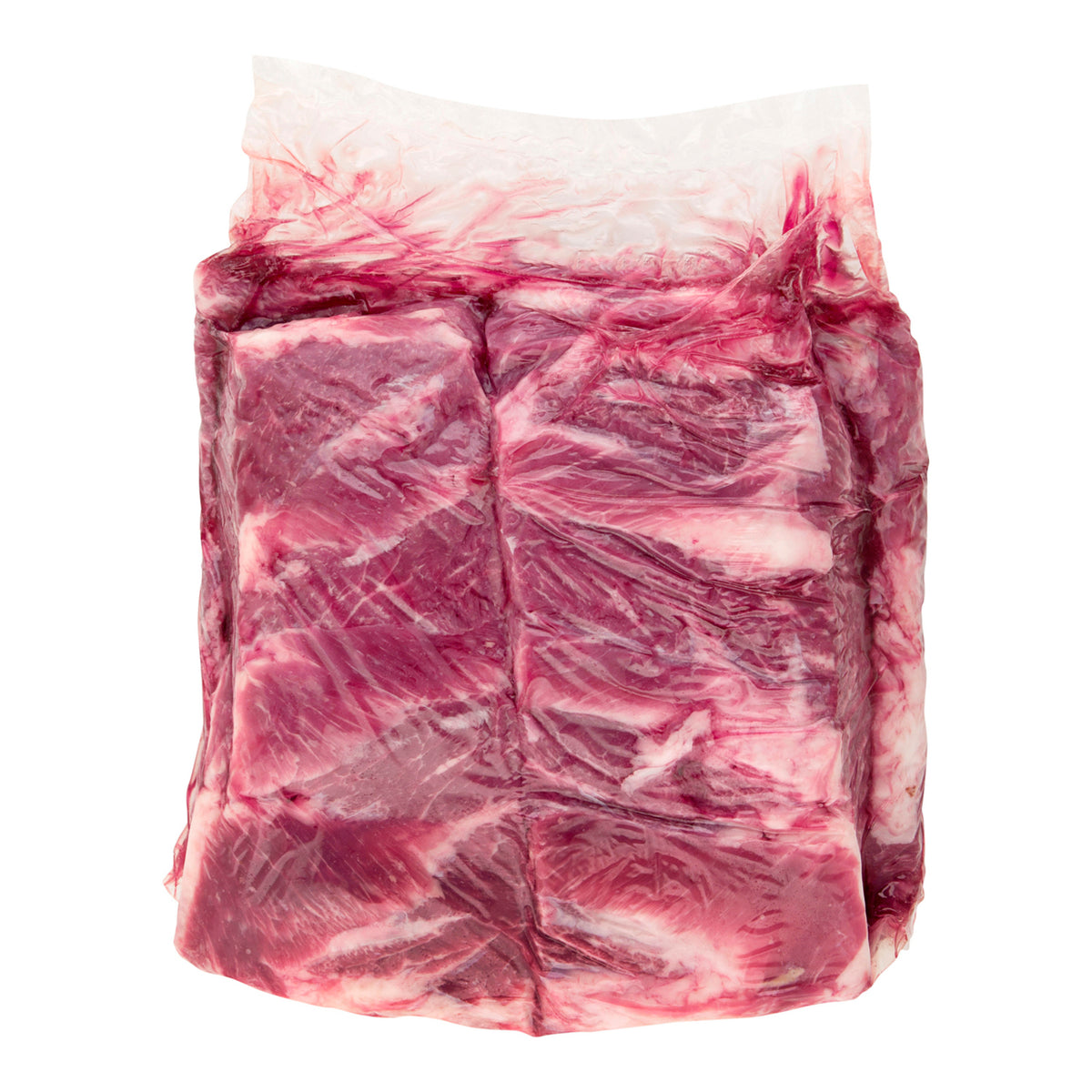
Claw/Knuckle/Leg Lobster Meat is best for recipes that call for extracted lobster meat rather than a whole tail. Its description lists an individual 2 lb format and a case format. Confirm the selected unit and cooking state before ordering; the title does not establish whether it is cooked.
Make the cut fit the dish:
- Choose extracted meat when shell removal adds no value to the meal.
- Consider cooked broken meat for chopped fillings and mixed dishes.
- Reserve intact tails for meals where presentation matters.
- Check raw versus cooked status independently of the cut.
- Read ingredients when choosing a lobster-and-seafood blend.
These Onatru selections illustrate different preparation choices, not a claim that one is always the least expensive. The shrimp offers a peeled, tail-off format; the lobster options distinguish extracted mixed cuts from explicitly cooked broken meat. Match each to your recipe and confirm the selected package.


5. Divide the order into meals you will actually cook
Use your recipe quantities to map the package onto specific dinners. A freezer bag labelled for shrimp tacos is easier to use deliberately than an unplanned quantity of seafood. Leave seafood you do not need frozen, following its package instructions; do not thaw an entire package just to reorganize it.
Build variety around ingredients already in your kitchen. Rice, pasta, beans, vegetables, and bread give seafood a place in a complete meal, without requiring it to fill the whole plate. Keep the seafood visible and intentional rather than adding it to a dish with no portion plan.
Make the package useful:
- Assign each planned portion to a named recipe.
- Separate frozen portions only when they release without thawing.
- Label portions with the product name, cooking state, and date.
- Use suitable sealed freezer packaging.
- Keep package instructions with your meal notes.
6. Protect texture with a simple cooking plan
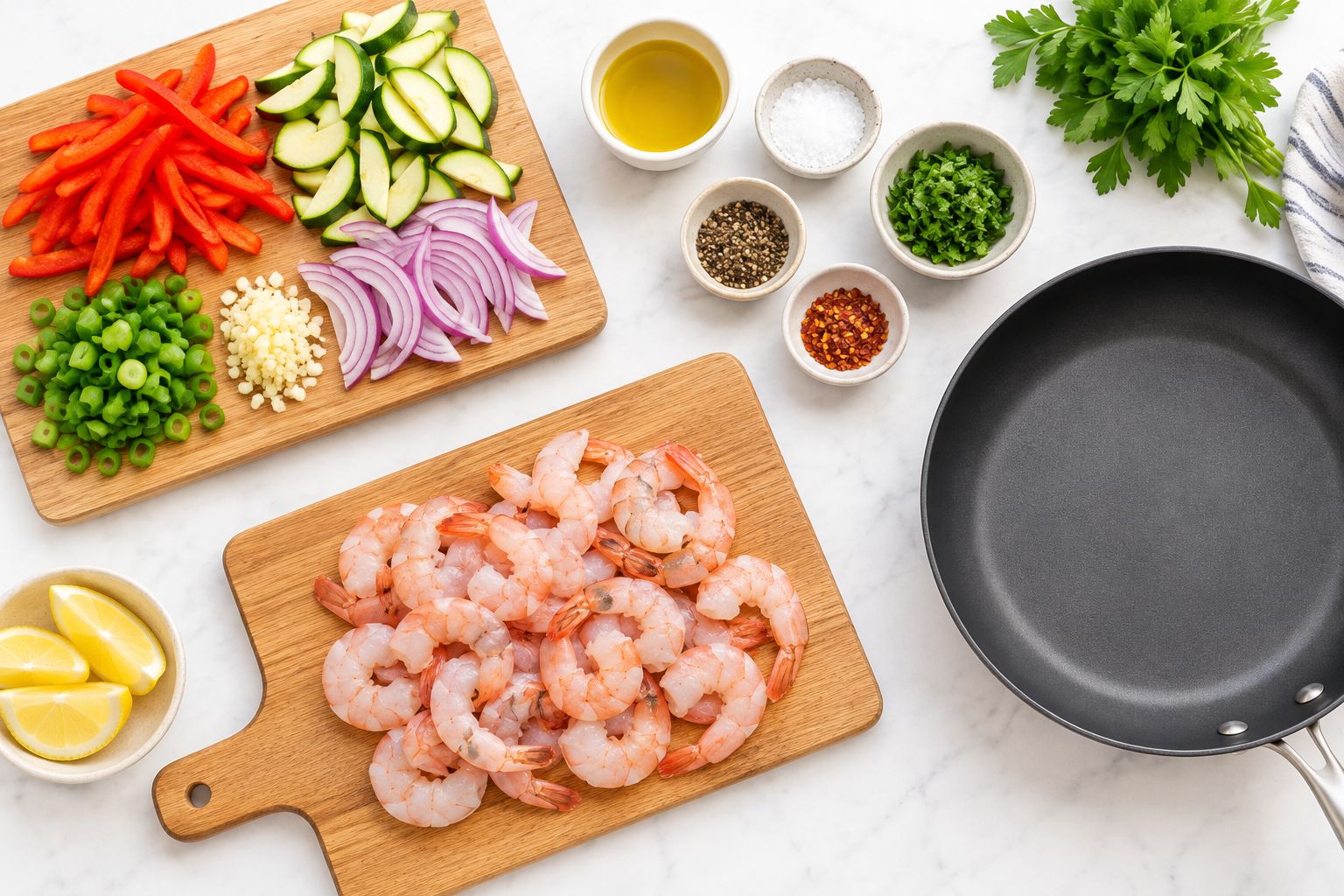
Prepare the other ingredients before seafood reaches the pan. Chop vegetables, measure seasonings, and have serving dishes ready. This keeps shrimp from waiting over heat while you finish the rest of dinner.
Raw and cooked seafood require different treatment. Cook raw seafood according to reliable food-safety guidance and product instructions; add already-cooked lobster or shrimp at the stage your recipe specifies rather than automatically giving it the raw ingredient’s cooking time. A cooked product is convenient, but prolonged reheating can make its texture firm and dry.
Keep dinner straightforward:
- Thaw seafood safely according to package directions.
- Dry thawed shrimp before a sauté or pan-sear.
- Prepare sauce and accompaniments before cooking seafood.
- Work in batches when the pan is crowded.
- Follow the recipe’s separate directions for cooked seafood.
7. Plan a safe delivery-to-dinner routine
Before ordering, check the delivery arrangements, packing information, and storage instructions for your chosen products. Plan for someone to receive the order and move it promptly into appropriate cold storage. Do not build a dinner around an unconfirmed arrival date.
For your 2026 receiving checklist, FDA seafood guidance calls for refrigerated seafood to stay at 40°F or below. Perishable food should not remain at room temperature for more than 2 hours, reduced to 1 hour above 90°F. Cold packing is not a substitute for checking the condition of the delivered food.
Preparation matters after unpacking, too. When comparing cutting boards for raw seafood, prioritize a surface you can clean thoroughly and keep raw seafood separate from ready-to-eat ingredients; board material alone does not prevent cross-contamination.
Protect the order and your meal:
- Check package condition and food temperature promptly.
- Follow the product’s refrigeration or freezer instructions.
- Keep raw seafood contained and away from ready-to-eat food.
- Wash hands, utensils, boards, and work surfaces after raw preparation.
- Ask the seller about questionable delivery conditions before using the food.
Compare seafood options by the job they do
No seafood format wins every budget comparison. Shell-on shrimp require more preparation, while peeled shrimp remove a task. Cooked products simplify some recipes but are less suitable when you want to control cooking from raw.
For a useful 2026 comparison, use the selected package quantity, the current order total, and the portions you expect to serve. Do not compare a shell-on package with extracted meat as though every ounce were interchangeable.
| Option | Best for | Main advantage | Key limitation |
|---|---|---|---|
| Raw peeled, tail-off shrimp | Pasta, tacos, and rice dishes | Less peeling and no tails to remove at the table | Still needs cooking; verify the product’s cooking state |
| Raw shell-on shrimp | Peel-and-eat dinners and shell-on recipes | Keeps the shell-on format the recipe needs | Shell weight is not edible meat, and peeling takes time |
| Cooked peeled shrimp | Cold appetizers and recipes specifying cooked shrimp | Removes the initial raw cooking step | Extended reheating can toughen the shrimp |
| Extracted lobster meat | Rolls, pasta, and chowder | Removes shell extraction from dinner preparation | Cut names do not always establish raw or cooked status |
| Cooked broken lobster meat | Chopped fillings and mixed dishes | Already cooked, with pieces suited to mixed recipes | Less suitable for an intact-piece presentation |
| Lobster tails | A plated lobster centerpiece | Provides a recognizable individual presentation | Shell weight and shell handling remain part of the purchase |
Onatru shrimp and lobster choices cover several of these formats. Choose the one that removes an actual obstacle in your kitchen, not extra preparation you enjoy doing yourself. Check package details rather than assuming a larger order is automatically better value.
Common mistakes budget-conscious cooks make
Comparing unlike package weights
A pound with heads and shells is not equivalent to a pound of peeled meat. Compare the usable food your recipe requires, and do not assign an assumed yield to a product without supporting information.
Buying a case without a freezer plan
A case is a quantity, not a meal plan. Confirm that the selected unit fits your storage space and your intended recipes before committing to it.
Choosing large shrimp for every recipe
Larger individual shrimp are not necessary when you plan to chop them for a filling. Choose the count for the eating experience you want, rather than treating size as a universal quality ranking.
Treating all lobster meat as cooked
Extracted meat can be raw or cooked. Read the product description and preparation instructions; shell removal does not establish that the seafood is ready to eat.
Letting delivery dictate an unmovable dinner
An unconfirmed delivery date is not a dinner reservation. Confirm arrangements before inviting guests, and keep an alternative meal ready when the seafood’s arrival is not settled.
FAQ
What's the best way to buy shrimp and lobster for budget-conscious cooks?
Choose shrimp and lobster by the usable portions your recipes need, then check the selling unit and storage requirements. A package only fits your budget when you can prepare and use it without waste.
Is peeled shrimp always better value than shell-on shrimp?
No, peeled shrimp is not automatically better value than shell-on shrimp. Peeled shrimp reduce preparation, while shell-on shrimp suit recipes that keep the shells; compare equivalent usable portions and your preparation needs.
Should I buy lobster meat or lobster tails for pasta?
Extracted lobster meat is the more direct fit when your pasta recipe calls for lobster pieces. Tails suit an intact presentation but require shell handling; check whether either product is raw or cooked.
What does 21–25 mean on a shrimp label?
A 21–25 shrimp count generally means approximately 21–25 shrimp per pound. Lower count numbers indicate larger individual shrimp, but the count does not establish whether the shrimp are peeled or cooked.
Can I divide a large frozen seafood package into smaller meals?
You can divide frozen seafood when portions separate without thawing and the package instructions permit it. If the product is frozen in a solid block, follow its thawing and handling directions rather than leaving it on the counter to loosen.
Is Onatru suitable for ordering seafood for home cooking?
Onatru sells restaurant-quality ingredients, including shrimp and lobster, to home cooks with nationwide delivery. Check the selected selling unit, preparation format, and delivery arrangements so the order fits your household.
Can I use cooked shrimp in a recipe written for raw shrimp?
Use cooked shrimp only after adjusting the recipe's cooking sequence. Already-cooked shrimp do not need the raw shrimp's initial cooking step, and extended reheating can make them tough; follow reliable reheating and handling instructions.
One last thing
Before your next 2026 order, write the meals on your freezer labels before you buy the seafood. If you cannot name a use for the package, choose a quantity or format that fits a clearer plan. The best purchase is seafood you can turn into dinner with confidence.